


What's Happening?
The Portuguese government has declared a civil protection alert for Wednesday, November 11, in anticipation of Storm Charles. This declaration has led to the closure of schools and non-essential public services across the mainland. Interior Minister Luís
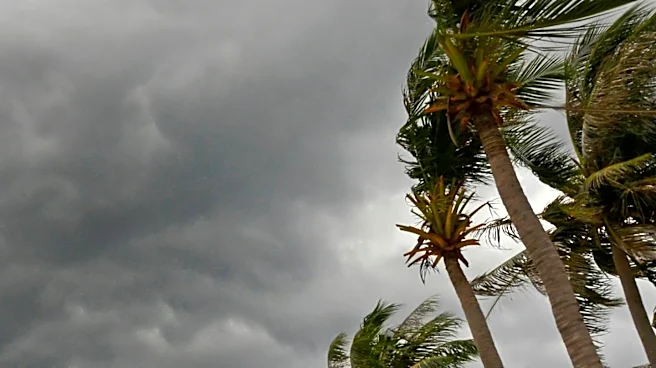
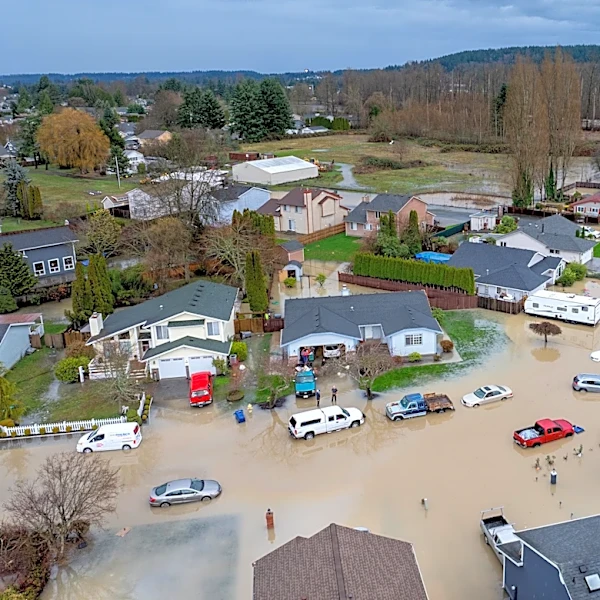
Neves has urged citizens to stay home and appealed to employers for understanding, stating that the country will be 'put to the test.' Outdoor activities will be suspended, and access to parks and forests will be restricted. Madeira is expected to experience the worst of the weather first, with its south coast and mountain areas under a red warning for rain from Tuesday evening to Wednesday morning, and a red wind warning with gusts potentially reaching 140 km/h. On the mainland, red wind warnings are in effect for several districts, including Beja, Faro, Setúbal, Évora, Leiria, Lisboa, Portalegre, and Santarém, with heavy rain also anticipated. Storm Charles follows Storm Bruna, which has already caused flooding in areas like Lisbon.
Why It's Important?
The declaration of a civil protection alert and the widespread closures across Portugal highlight the significant impact severe weather events can have on national infrastructure and daily life. The government's proactive measures, such as closing schools and public services, aim to minimize casualties and damage, but they also disrupt economic activity and public routines. For U.S. citizens residing in or traveling to Portugal, these warnings are crucial for personal safety and travel planning. The potential for flooding, landslides, and power outages could affect transportation, communication, and access to essential services. The economic implications include lost productivity from closures and the costs associated with emergency response and potential repairs. This event underscores the increasing frequency and intensity of extreme weather, prompting governments worldwide to enhance their preparedness and response strategies.
What's Next?
As Storm Charles bears down on Portugal, authorities will continue to monitor its precise track and issue updated warnings. Citizens are advised to follow local Civil Protection updates and check the latest IPMA warnings. The government has provided specific instructions for preparation, including securing loose outdoor items, clearing drains, moving vehicles and animals from flood-prone areas, and avoiding rivers, streams, beaches, and exposed waterfronts. Non-essential journeys are discouraged, and those who must drive are urged to slow down and never enter floodwater. The focus will be on managing the immediate impact of the storm, including potential power outages and disruptions to communication. Post-storm, efforts will likely shift to damage assessment, recovery operations, and restoring normalcy to affected regions.
Beyond the Headlines
The severe weather events in Portugal, with storms like Bruna and Charles, contribute to a broader global pattern of increasingly volatile weather systems, often linked to climate change. While this specific event is localized to Portugal, it serves as a stark reminder of the growing challenges faced by coastal nations and those susceptible to extreme weather. The government's decisive action to declare a state of alert and implement widespread closures reflects a heightened awareness of climate-related risks and a shift towards more proactive disaster preparedness. This approach could influence other nations, including the U.S., in developing more robust strategies for managing and mitigating the impacts of severe weather, emphasizing public safety and infrastructure resilience in the face of environmental shifts. The economic and social disruptions caused by such events also highlight the need for long-term climate adaptation and mitigation policies.