





What's Happening?
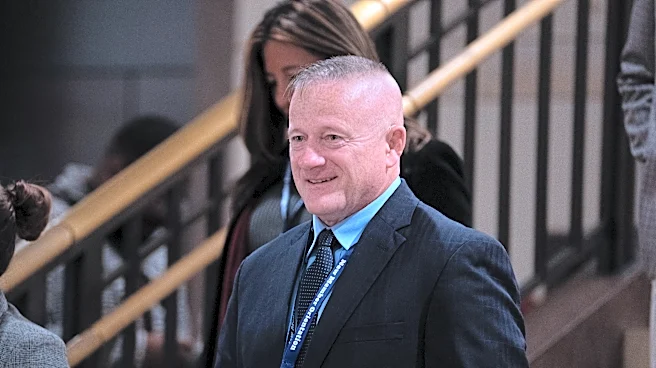
Iowa Governor-elect Rob Sand met with veterans on Veterans Day, serving them breakfast and discussing their needs for state support. Veterans expressed concerns regarding mental health services and the state's Veterans Trust Fund. Air Force veteran Mike
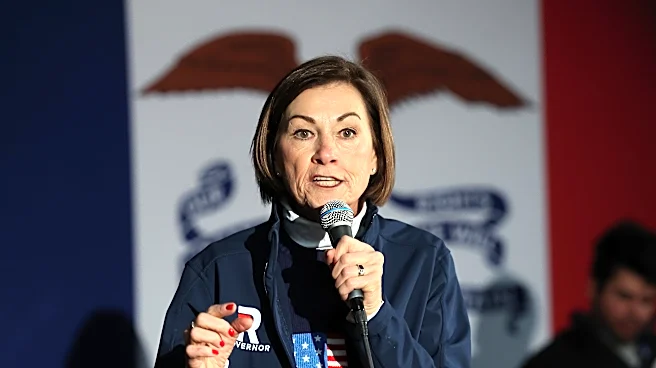
Potratz highlighted the need for mental health support for young soldiers and veterans returning from overseas. The Veterans Trust Fund, which provides grants for healthcare, education, and home repairs, ran out of money in 2022 after its eligibility was expanded. While former Governor Kim Reynolds used federal grant funding to replenish the fund, Sand emphasized his commitment to using state resources to support veterans, though he did not specify an amount. He also suggested that reversing Medicaid privatization could increase access to mental health providers for veterans, as current services are managed by three private companies: Iowa Total Care, Molina Healthcare of Iowa, and Wellpoint Iowa.
Why It's Important?
The discussion between Governor-elect Sand and veterans underscores critical issues facing the veteran community in Iowa, particularly concerning mental health and financial assistance. The depletion of the Veterans Trust Fund in 2022 highlights a systemic challenge in providing consistent support for those who have served. The reliance on federal grants to refill the fund, as done by former Governor Reynolds, indicates a potential vulnerability in state-level funding mechanisms. Sand's commitment to using state resources and his suggestion to reverse Medicaid privatization could significantly impact how veterans access essential services. If implemented, such changes could lead to more stable and accessible mental health care and financial aid, directly benefiting veterans and their families. Conversely, a failure to adequately address these funding and access issues could leave veterans underserved, potentially exacerbating existing challenges related to post-service adjustment and well-being.
What's Next?
Governor-elect Rob Sand is expected to prioritize veterans' support upon taking office. While he has not yet specified the exact amount of state funding for the Veterans Trust Fund, his commitment suggests that legislative action or budgetary allocations will be forthcoming. The potential reversal of Medicaid privatization is a significant policy consideration that could reshape healthcare access for veterans in Iowa. This move would likely involve a reevaluation of the state's current contracts with private Medicaid providers and a shift towards a more state-managed system. Stakeholders, including veterans' advocacy groups, healthcare providers, and the private Medicaid companies, will closely monitor these developments. Future legislative sessions will likely see proposals aimed at shoring up the Veterans Trust Fund and potentially reforming Medicaid to better serve the veteran population.
Beyond the Headlines
The challenges faced by Iowa's veterans, particularly regarding mental health and the Veterans Trust Fund, reflect broader national issues concerning veteran care and support. The reliance on federal grants to backfill state programs points to a potential gap in sustainable state funding for veteran services. The debate over Medicaid privatization also touches on the larger discussion about the role of private versus public entities in healthcare delivery, especially for vulnerable populations. Ensuring adequate mental health support for veterans is not just a matter of policy but also a societal responsibility, addressing the long-term impacts of military service. The outcomes of these policy decisions in Iowa could serve as a case study for other states grappling with similar issues, influencing how veteran support programs are structured and funded across the nation.