



What's Happening?
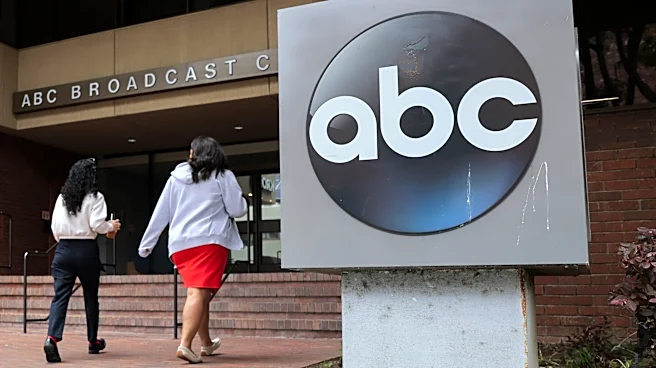
ABC, owned by Disney, has filed a lawsuit against the Federal Communications Commission (FCC), accusing the agency of violating its right to free speech through aggressive regulatory moves. The lawsuit claims the FCC is engaged in a 'retaliatory campaign'
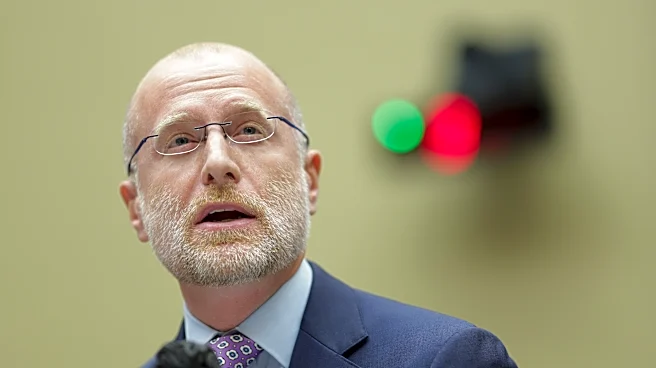
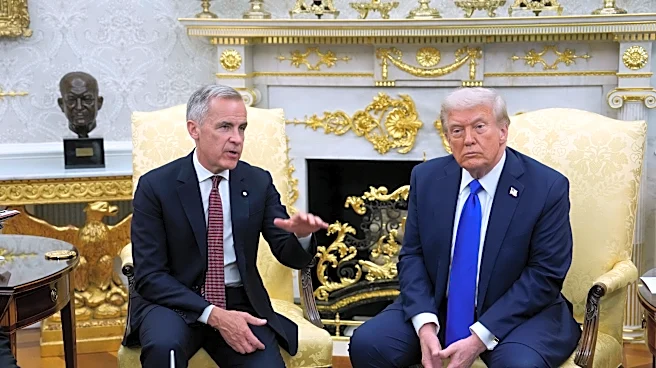
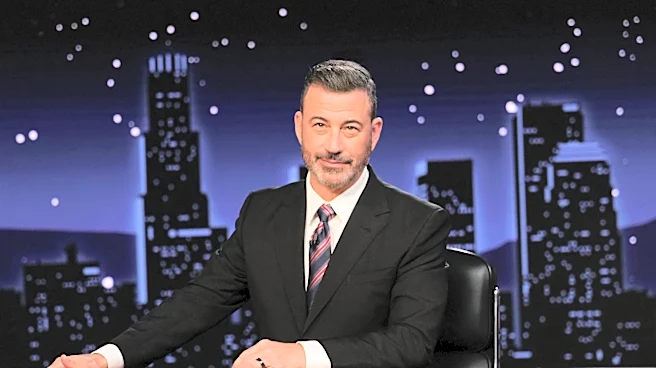
because it 'disapproves of what ABC broadcasts.' FCC Chairman Brendan Carr has reportedly pushed for early renewal of ABC's broadcast licenses for its eight affiliate stations, two and a half years before their scheduled expiration. If successful, this action could force these local stations off the air. ABC's legal action seeks to prevent this outcome, arguing that the threat of non-renewal or revocation of licenses compels ABC to consider the consequences of any decision that might 'anger the Administration or the FCC Chairman.' The lawsuit suggests that the administration's campaign against free speech extends beyond ABC, sending a message to all media companies to only report stories favorable to the administration or face federal government coercion. This legal challenge follows previous incidents, including outrage over a Jimmy Kimmel monologue joke and President Trump's criticism of 'The View' and ABC's decision not to air one of his primetime addresses, leading him to call for ABC's licenses to be revoked.
Why It's Important?
This lawsuit carries significant implications for media freedom and regulatory oversight in the U.S. If ABC's claims are substantiated, it could set a precedent regarding the extent to which a presidential administration can influence broadcast content through regulatory bodies like the FCC. The case highlights concerns about potential government overreach and its impact on the independence of the press. A victory for ABC could reinforce First Amendment protections for broadcasters and deter future attempts by administrations to use regulatory power to suppress unfavorable speech. Conversely, if the FCC prevails, it could empower the agency to exert greater control over broadcast content, potentially leading to a chilling effect on critical reporting and diverse viewpoints. The outcome will also affect the financial stability of broadcast networks, as the revocation of licenses in key markets would result in substantial economic losses and disrupt local media landscapes. The legal battle underscores the ongoing tension between government regulation and the constitutional right to free speech, with potential long-term consequences for the media industry and public discourse.
What's Next?
The lawsuit is expected to initiate a prolonged legal process, potentially involving temporary restraining orders and preliminary injunctions. ABC's immediate goal is to secure a judicial decision that prevents future threats from the Trump administration and alleviates the burden of preparing early license renewal applications. The FCC, through a spokesperson, has stated its intention to 'continue to follow the facts and law wherever they lead,' asserting that broadcasters have a legal obligation to operate in the public interest. FCC Commissioner Anna M. Gomez, a Democrat, has publicly supported Disney's stance, applauding the company for pushing back against what she describes as 'censorship and control' and 'government intimidation.' The legal proceedings will likely involve extensive discovery and arguments over the FCC's authority and the administration's motivations. The case could eventually reach higher courts, potentially leading to a landmark decision on the balance between regulatory power and First Amendment rights in the broadcasting sector. The outcome will be closely watched by other media organizations and civil liberties advocates.
Beyond the Headlines
This legal challenge delves into the fundamental principles of free speech and the role of government in regulating media. The lawsuit's reference to a Supreme Court decision favoring the NRA, which stated that states could not use their influence to pressure groups for their speech, suggests ABC is aiming to establish a similar precedent for broadcasters. This case could redefine the boundaries of regulatory authority, particularly concerning content deemed critical of an administration. The broader implications extend to the ethical responsibilities of media organizations and the potential for political weaponization of regulatory bodies. It also raises questions about the public's access to diverse information and the integrity of the news landscape. The outcome could influence how future administrations interact with the media, potentially leading to either a more robustly protected press or one more susceptible to governmental pressure. The case highlights the ongoing struggle to maintain a free and independent press in an increasingly polarized political environment, with potential long-term effects on democratic discourse and the public's trust in media institutions.