




What's Happening?
Apache Stronghold, a coalition of Western Apaches and allies, has filed an updated lawsuit in federal district court to prevent the transfer of Oak Flat, a sacred Native American site, to Resolution Copper, a mining company. The lawsuit challenges the federal government's
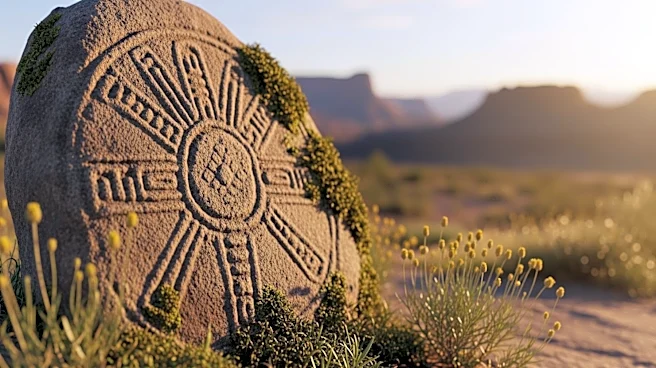
decision to transfer the land, which is set to be developed into a massive underground mine. This development would result in the collapse of the site, effectively ending Apache religious practices tied to the land. Oak Flat, known as Chi’chil Biłdagoteel, has been a site for sacred ceremonies for generations and is listed on the National Register of Historic Places. The land transfer was authorized in 2014 through a provision in a defense bill, and Apache Stronghold argues that this was done to avoid judicial review.
Why It's Important?
The lawsuit represents a significant cultural and religious battle for the Apache people, as Oak Flat is central to their spiritual practices and identity. The case highlights broader issues of indigenous rights and the preservation of sacred sites in the face of industrial development. The proposed mining project has faced opposition from 21 of Arizona's 22 federally recognized tribes and has garnered support from the National Congress of American Indians. Public opinion also leans towards protecting the site, with 71% of Americans reportedly in favor. The outcome of this legal battle could set a precedent for how sacred indigenous lands are treated in the U.S., impacting future land use and indigenous rights cases.
What's Next?
Apache Stronghold's lawsuit seeks to reverse the land transfer before any irreversible damage occurs. The case has returned to lower courts after the U.S. Supreme Court declined to hear it, with dissenting opinions from Justices Neil Gorsuch and Clarence Thomas. The legal proceedings will continue as Apache Stronghold and its legal team, including the Becket Fund for Religious Liberty, push for the court to rescind the transfer. The case's progression will be closely watched by indigenous groups, legal experts, and environmental advocates, as it could influence future policies regarding the protection of sacred sites.