







What's Happening?
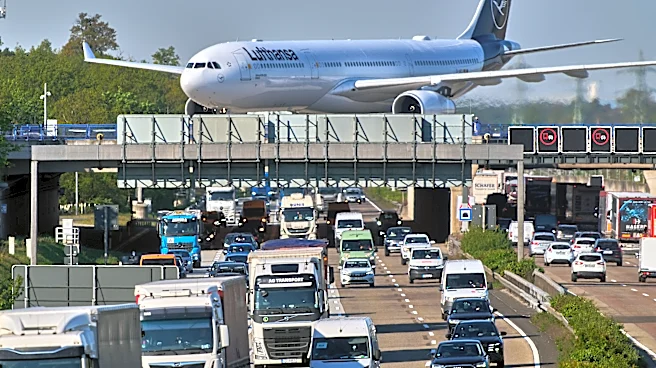
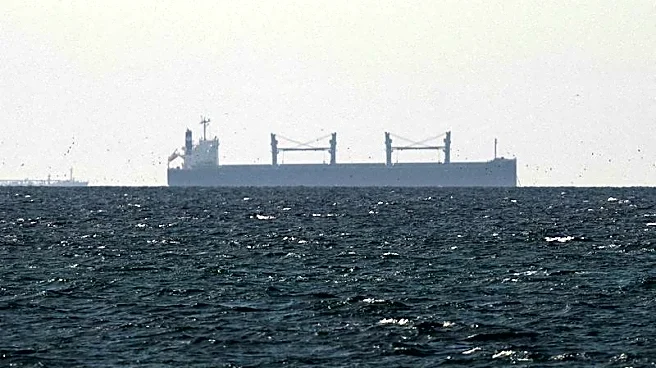
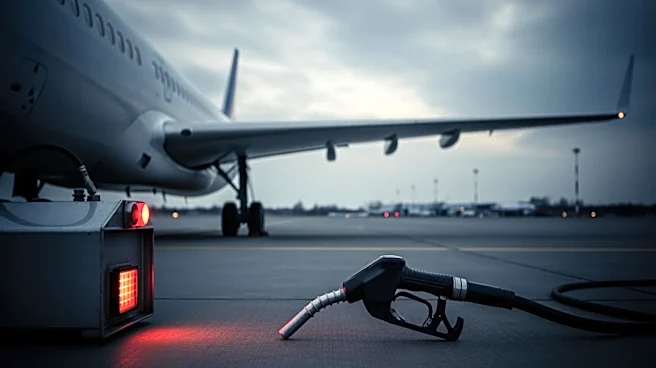
The ongoing conflict in Iran has led to significant disruptions in the global oil market, particularly affecting the Strait of Hormuz, a crucial passage for oil transportation. This has resulted in a sharp increase in jet fuel prices, causing airlines
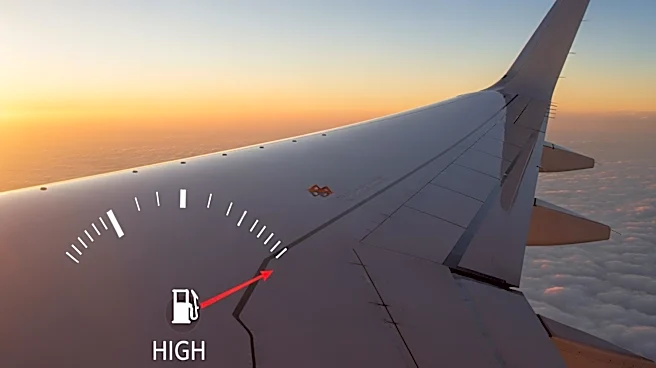
to slash routes, suspend seasonal services, and raise airfares. The International Energy Agency has warned of potential jet fuel shortages in Europe within six weeks. Travelers are facing higher costs and limited flight options, with airlines adjusting itineraries to conserve fuel. The situation impacts both business and leisure travel, as well as global commerce, according to aviation industry analyst Henry Harteveldt.
Why It's Important?
The fuel shortage and subsequent rise in airfares have broad implications for the travel industry and global commerce. Business travel, a key component of economic activity, is likely to be affected, potentially hindering international trade and collaboration. Leisure travel, a significant contributor to the economy, may see reduced demand due to increased costs, impacting tourism-dependent regions. Airlines are under pressure to manage operational costs while maintaining service levels, which could lead to long-term changes in route planning and pricing strategies. The situation underscores the vulnerability of global supply chains to geopolitical events.
What's Next?
Travel experts suggest delaying trips to later in the summer when fuel supplies might stabilize, potentially lowering airfares. Airlines may continue to adjust their schedules and pricing in response to fuel availability, with possible further route cuts or fare increases. Travelers are advised to book flights promptly to secure better prices and availability. The industry will likely monitor geopolitical developments closely, with potential impacts on future travel planning and pricing strategies.