




What's Happening?
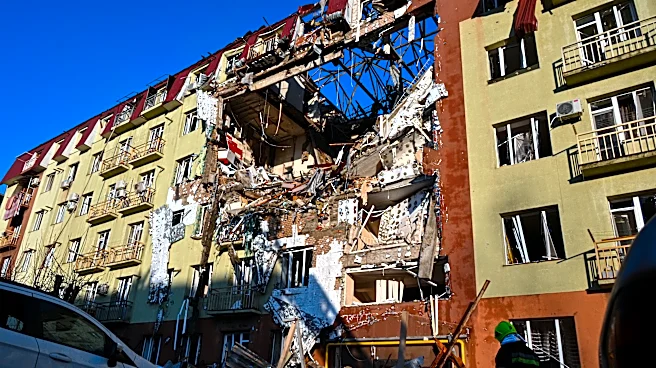
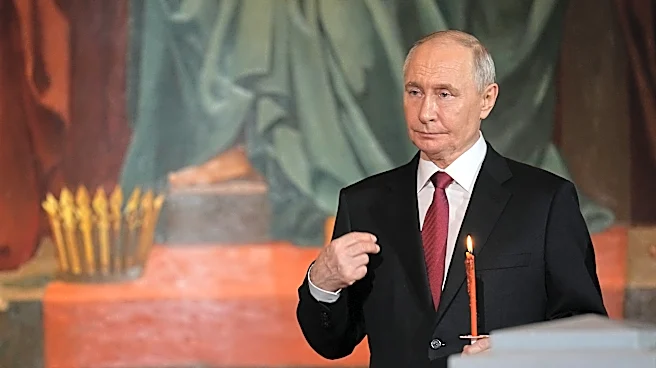
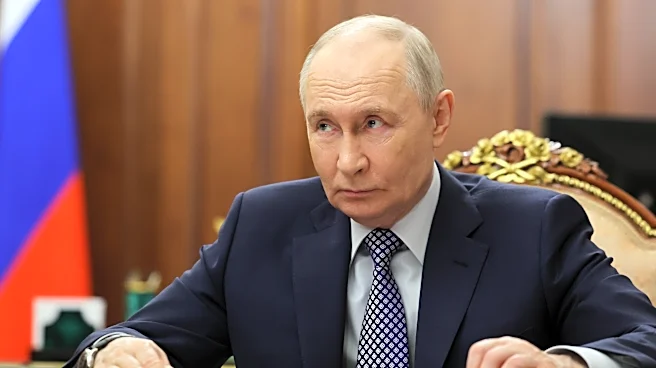
Russia and Ukraine have accused each other of violating a Kremlin-declared Easter ceasefire. Russian President Vladimir Putin announced a 32-hour ceasefire over the Orthodox Easter weekend, instructing Russian forces to halt hostilities. Ukrainian President Volodymyr
Zelenskyy agreed to the ceasefire but warned of a swift military response to any violations. Despite the ceasefire, Ukraine's armed forces reported 2,299 violations, including assaults and drone launches. Russia's Defense Ministry claimed 1,971 violations by Ukrainian forces, including drone strikes. The ceasefire was intended to allow Christians to celebrate Easter, but skepticism remains about its effectiveness.
Why It's Important?
The failure to uphold the Easter ceasefire highlights the ongoing tensions and challenges in achieving peace between Russia and Ukraine. The accusations of violations from both sides underscore the fragile nature of ceasefires in the region. This situation impacts international diplomatic efforts and raises concerns about the humanitarian situation in Ukraine. The continued conflict affects regional stability and has broader implications for international relations, particularly involving countries supporting Ukraine or Russia.
What's Next?
The ongoing violations of the ceasefire suggest that hostilities may continue despite diplomatic efforts. Both Russia and Ukraine may face increased pressure from international communities to adhere to ceasefire agreements. Future negotiations may be influenced by the current situation, potentially affecting peace talks and international support. The humanitarian impact on civilians in conflict zones remains a critical concern, with potential calls for increased aid and intervention.