






What's Happening?
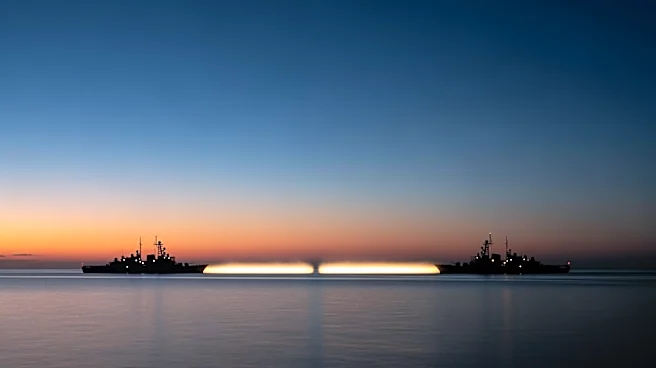
Iran has announced the reimposition of restrictions on the Strait of Hormuz, a critical maritime passage for global oil shipments. This decision comes amid ongoing tensions with the United States, as senior U.S. officials may return to Pakistan to continue
negotiations related to the conflict with Iran. The Strait of Hormuz is a strategic chokepoint, and Iran's move could impact international shipping and oil markets.
Why It's Important?
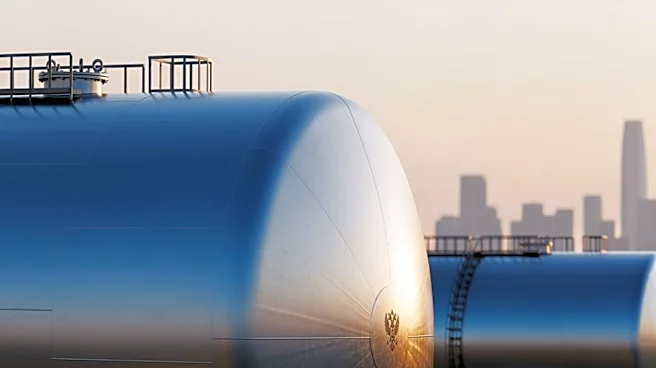
The Strait of Hormuz is a vital artery for the global oil supply, with a significant portion of the world's petroleum passing through it. Iran's decision to reimpose restrictions could lead to increased volatility in oil prices and affect global energy markets. This development may also escalate geopolitical tensions, influencing U.S. foreign policy and international relations in the region.
What's Next?
Negotiations between the U.S. and Iran are likely to continue, with potential diplomatic efforts aimed at resolving the conflict and easing restrictions. The international community, including major oil-importing countries, will be closely monitoring the situation, as any prolonged disruption could have widespread economic implications.
Beyond the Headlines
The reimposition of restrictions on the Strait of Hormuz highlights the complex interplay between regional politics and global economic stability. It underscores the importance of diplomatic engagement in addressing geopolitical conflicts that have far-reaching consequences for international trade and energy security.