





What's Happening?
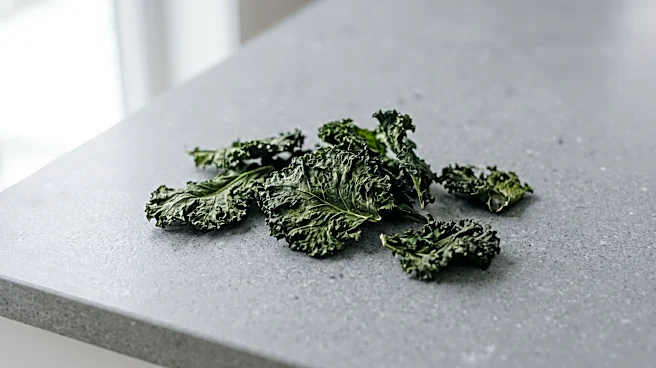
Brad's Raw Chips has initiated a nationwide recall of approximately 25,000 bags of its kale snacks due to potential contamination with thallium, a toxic metal. The recall affects specific 3-ounce packages of Brad's Veggie Chips Kale and 2-ounce packages of Brad's Plant
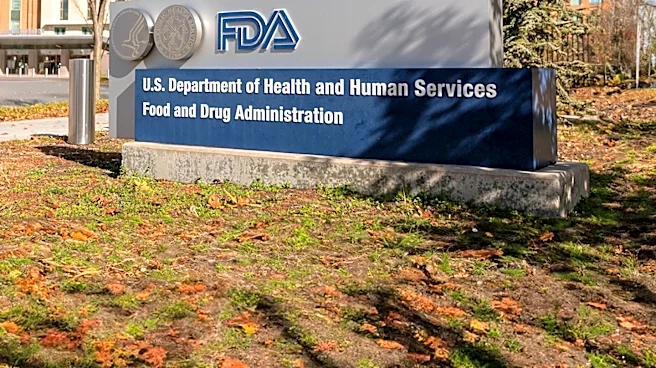
Based Crunchy Kale, including Original, Cheeze It Up, and Radical Ranch flavors. Best-by dates for the recalled products range from December 2026 to February 2027. The Food and Drug Administration (FDA) notified Brad's Raw Chips after product tests detected elevated thallium levels. This investigation began following an inquiry from an individual in California who exhibited elevated thallium levels. The company stated that the metal was not introduced during manufacturing but noted that the dehydration process for kale concentrates elements already present in the plant, which can absorb such elements from the soil. The affected products were distributed nationwide through KeHE Distributors and United Natural Foods Inc. between October and December 2025.
Why It's Important?
This recall is significant due to the serious health risks associated with thallium exposure, which can include nerve damage, hair loss, gastrointestinal issues such as nausea, vomiting, abdominal pain, and diarrhea, as well as cardiac problems and pain or numbness in extremities. The widespread distribution of these products across the U.S. means a large number of consumers could have been exposed. For the food industry, this incident highlights the critical importance of raw material sourcing and quality control, especially for products that undergo concentration processes like dehydration. It also underscores the role of regulatory bodies like the FDA in monitoring food safety and responding to potential public health threats. Consumers who have purchased these products face immediate health concerns and the need to check their pantries, while the company faces potential reputational damage and financial implications from the recall and any subsequent investigations.
What's Next?
Consumers who have purchased the recalled Brad's Raw Chips kale snacks are advised to check the best-by dates, lot numbers, UPCs, sizes, and flavors against the recall information provided by the company and the FDA. It is recommended that individuals who believe they may have consumed the affected products and are experiencing symptoms seek medical advice. Tests of hair, blood, or urine can measure thallium levels. Brad's Raw Chips will likely continue to cooperate with regulatory bodies to ensure all affected products are removed from circulation and to investigate the source of the contamination further. The incident may prompt a review of sourcing practices for kale and other leafy greens within the industry, particularly concerning soil testing and agricultural practices to prevent future contamination from heavy metals.
Beyond the Headlines
This incident brings to light the often-overlooked complexities of the food supply chain, particularly concerning natural contaminants. While manufacturers typically focus on preventing contamination from pathogens or processing errors, environmental contaminants like heavy metals absorbed from soil present a different challenge. The dehydration process, while extending shelf life and concentrating nutrients, also concentrates any undesirable elements present in the raw material. This raises broader questions about agricultural land quality, soil testing protocols, and the potential for naturally occurring toxins to enter the food system. It also emphasizes the need for robust testing at various stages of food production, not just for common contaminants but also for less obvious environmental hazards. The case could lead to increased scrutiny on the sourcing of organic or 'natural' products, as these are not inherently immune to environmental contaminants.