








What's Happening?
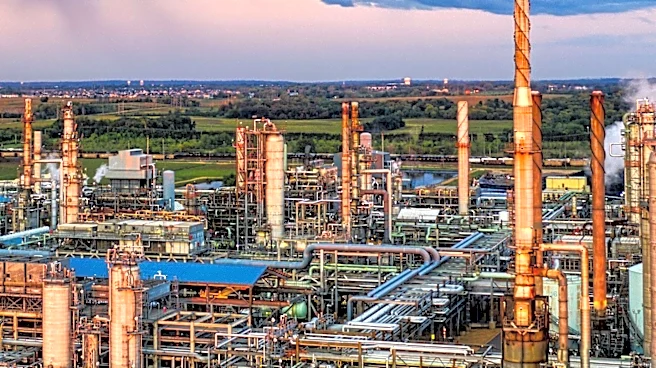
The global oil refinery industry is under significant stress due to ongoing conflicts in the Middle East and Russia. The closure of the Strait of Hormuz, a critical chokepoint for oil transport, has led to major refineries in Saudi Arabia, Bahrain, Kuwait,
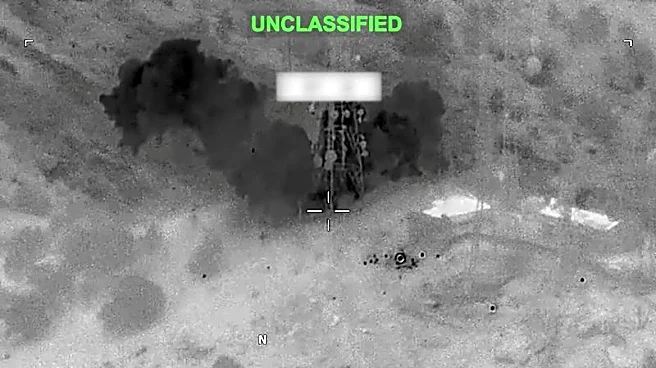
and the United Arab Emirates being partially or completely offline. Additionally, Russian refineries have been targeted by Ukrainian drone attacks, causing domestic fuel shortages and a reduction in diesel exports. These disruptions have resulted in a significant drop in global refining production, with inventories of gasoline and diesel reaching multi-year lows. The U.S. has attempted to compensate by increasing exports of crude oil and refined products, but domestic stocks are also under pressure, limiting its ability to supply the global market.
Why It's Important?
The strain on the global refinery industry has significant implications for the U.S. and global economies. With refining margins at record highs and inventories at low levels, there is a risk of demand destruction, which could reduce economic activity worldwide. The U.S., which has been acting as a last-resort supplier, is facing its own challenges with declining crude stocks and high domestic demand. This situation could lead to increased fuel prices, impacting consumers and businesses. The ongoing conflicts and disruptions in key refining regions highlight the vulnerability of the global energy supply chain and the potential for further economic instability.
What's Next?
The recovery of global refinery production is expected to be slow, with several major hubs still impaired due to conflicts and export restrictions. It may take months or even years for Russian and Middle Eastern refineries to return to full capacity. In the meantime, the U.S. may struggle to prevent a politically damaging rise in fuel prices, especially as domestic stocks remain under pressure. The situation calls for careful monitoring of refining margins and inventory levels, as well as potential policy responses to mitigate the impact on consumers and the economy.