

What's Happening?
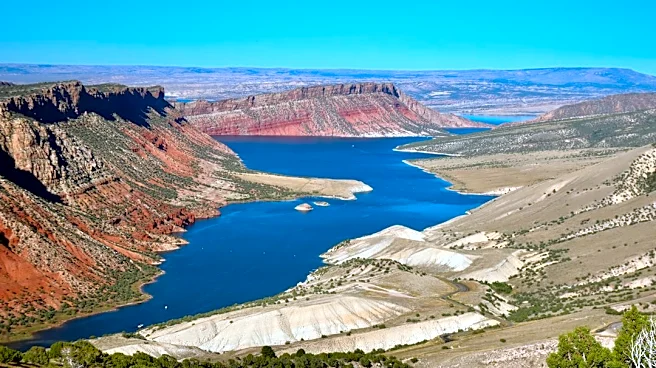
Rocky Mountain Community Radio recently hosted a special statewide call-in show to discuss the ongoing crisis of the Colorado River. The program, broadcast live on September 17, 2026, across multiple public radio stations including Aspen Public Radio,
KDNK, KBUT, KSUT, KVNF, KGNU, and KHEN, focused on the severe drought conditions and new federal regulations that are leading to significant water cuts for Lower Basin states. A key aspect of the discussion was to explore the potential impacts of these changes on Upper Basin states, particularly Colorado. The show featured expert guests, including Shannon Mullane, a reporter specializing in Colorado River and water issues for The Colorado Sun; Jim Lochhead, former CEO of Denver Water and a long-serving representative for Colorado on interstate Colorado River operations; and Allie Mazurek, the engagement climatologist with the Colorado Climate Center. The program was co-hosted by Rocky Mountain Community Radio rural climate reporter Caroline Llanes and Luke Runyon of the Water Desk.
Why It's Important?
The Colorado River crisis is a critical issue with far-reaching implications for the Western United States, and this statewide call-in show highlights its urgency for Colorado. The river is a vital water source for millions of people, agriculture, and industry across multiple states. The severe drought and new federal rules mandating water cuts for Lower Basin states directly impact the water allocation and management strategies for Upper Basin states like Colorado. This situation could lead to significant changes in water usage, potentially affecting agricultural practices, urban development, and environmental conservation efforts within Colorado. The involvement of experts and public radio stations in this discussion underscores the importance of public awareness and engagement in addressing complex water resource challenges. Understanding the potential consequences for Colorado is crucial for policymakers, businesses, and residents to prepare for and adapt to a future with potentially reduced water availability.
What's Next?
Following the statewide call-in show, the discussions and concerns raised about the Colorado River crisis are expected to continue influencing policy debates and water management strategies in Colorado. State officials, water agencies, and environmental groups will likely intensify their efforts to develop and implement solutions that ensure sustainable water resources for the future. This could involve further negotiations with other basin states, investments in water conservation technologies, and the exploration of alternative water sources. Public engagement, as demonstrated by the call-in show, will remain crucial in shaping these decisions. The insights shared by experts like Shannon Mullane, Jim Lochhead, and Allie Mazurek will likely inform future legislative actions and public education campaigns aimed at mitigating the effects of drought and federal regulations on Colorado's water supply. The ongoing dialogue will be essential for adapting to the evolving challenges of climate change and water scarcity in the region.
Beyond the Headlines
The Colorado River crisis, as discussed in the Rocky Mountain Community Radio call-in show, extends beyond immediate water shortages to touch upon fundamental questions of regional cooperation, environmental justice, and long-term ecological sustainability. The federal rules and interstate agreements governing the river's allocation are complex, often leading to tensions between states with competing demands. This situation highlights the ethical dilemma of balancing economic development with environmental preservation, especially in a region heavily reliant on a diminishing resource. The crisis also underscores the disproportionate impact of climate change on arid regions and the need for innovative, equitable solutions that consider the needs of all stakeholders, including indigenous communities and ecosystems. The public discourse generated by such call-in shows is vital for fostering a collective understanding and encouraging collaborative approaches to manage a shared natural resource in the face of unprecedented environmental challenges, potentially setting precedents for water management in other drought-stricken areas.