








What's Happening?
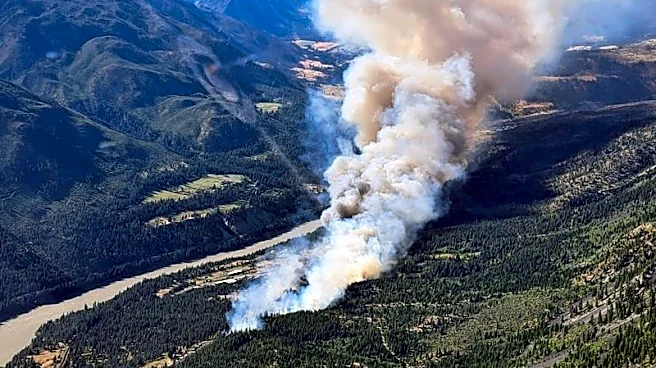
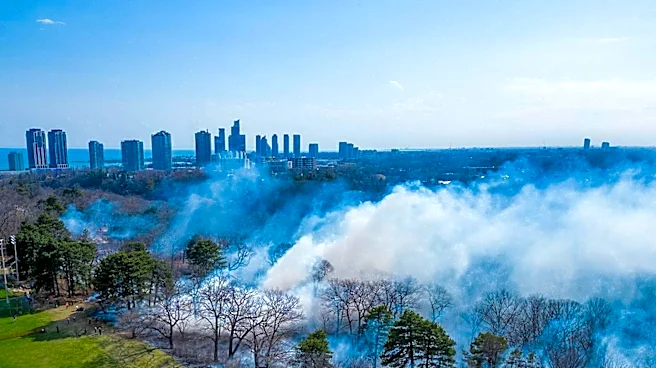
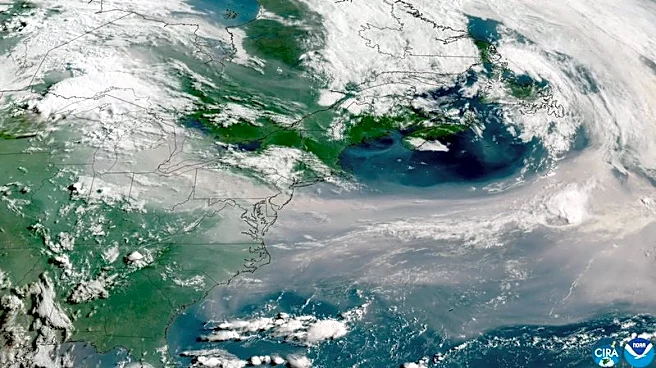
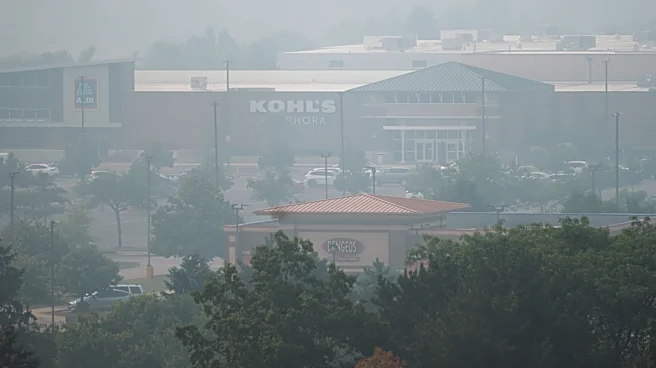
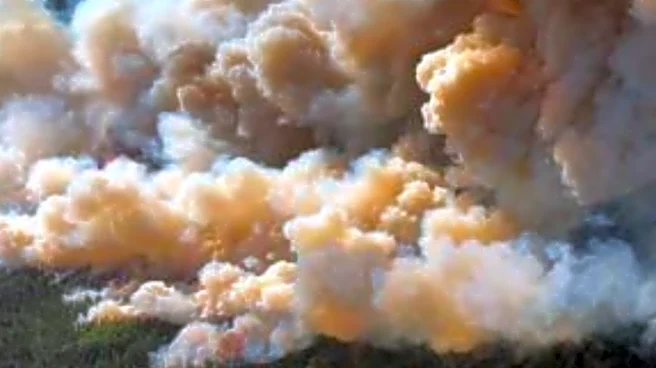
Heavy smoke from Canadian wildfires is spreading across the Great Lakes region into New England and as far south as Maryland, resulting in unhealthy and hazardous air quality in several U.S. states. The wildfires, fueled by extreme heat and dry conditions
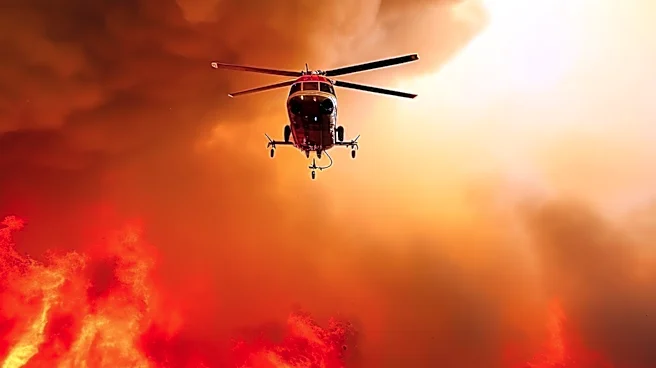
in Ontario and northern Minnesota, have led to over 800 active fires in Canada. Record-breaking temperatures have created a heat dome, exacerbating the spread of these fires. Air quality in affected areas, including major cities like Philadelphia, New York City, and Baltimore, has been labeled as ranging from hazardous to unhealthy. The situation is expected to persist through the weekend, with smoke-filled skies continuing to affect these regions.
Why It's Important?
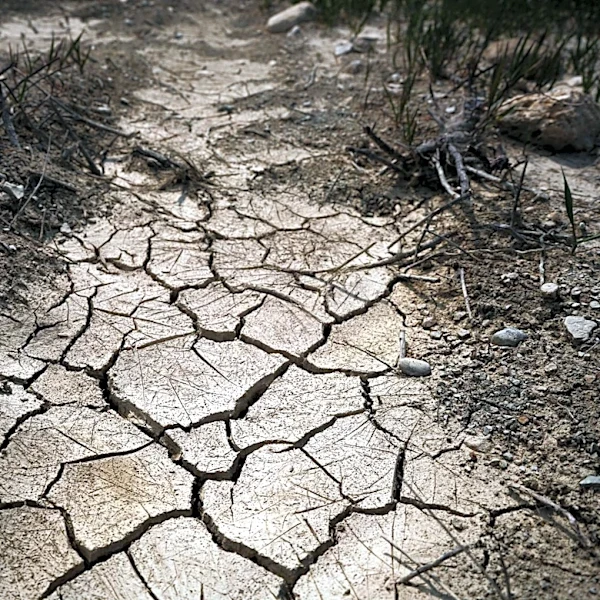
The spread of wildfire smoke poses significant health risks to millions of Americans. The smoke contains tiny particles that can penetrate deep into the lungs and enter the bloodstream, increasing the risk of heart attacks, strokes, and respiratory illnesses. Chronic exposure can also lead to pregnancy complications and developmental disorders in children. The frequency and intensity of such wildfire events are increasing, largely due to climate change, which is causing longer droughts and heatwaves. This situation highlights the urgent need for public health measures and climate action to mitigate these risks.
What's Next?
Residents in affected areas are advised to monitor air quality reports and follow guidelines from the Environmental Protection Agency, such as using air purifiers and creating cleaner air rooms at home. With temperatures also soaring above 100 degrees, the combination of heat and smoke presents a heightened public health risk. People are encouraged to reduce outdoor activities and wear N95 masks if they must go outside. The ongoing situation underscores the importance of preparedness and adaptation strategies to cope with increasing climate-related events.