


What's Happening?
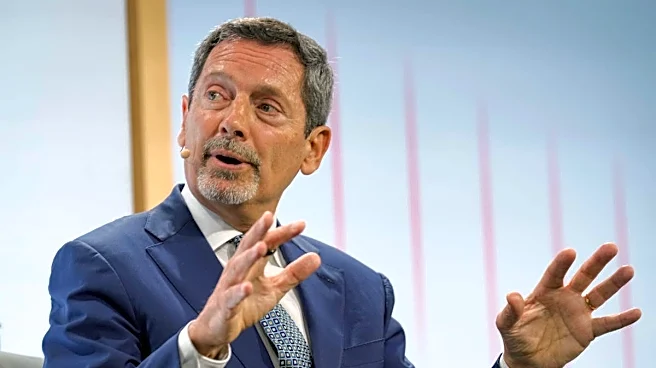
Former Senator Ben Cardin, alongside David Beasley, has co-chaired a new bipartisan Commission on the Future of Foreign Assistance. This initiative comes in response to significant reductions in the U.S. foreign aid budget, which saw a 23% cut last year,
amounting to $40 billion. These cuts have raised concerns about the potential for increased global instability and preventable deaths. The commission aims to address these challenges by recommending policies to reform foreign aid, ensuring it aligns with U.S. interests and gains public support. The commission is supported by think tanks like the American Enterprise Institute and the Brookings Institution, and it seeks to engage a wide range of stakeholders, including international leaders and the American public, to develop innovative solutions for delivering aid more effectively.
Why It's Important?
The reduction in foreign aid budgets poses a threat to global stability and U.S. national security. Effective foreign assistance can prevent disease outbreaks, provide humanitarian relief, and support economic development, which in turn strengthens U.S. global leadership and creates economic opportunities. The commission's work is crucial in rebuilding bipartisan support for foreign aid, which is seen as a vital tool for advancing U.S. interests abroad. By reforming aid delivery and targeting resources more strategically, the U.S. can maintain its influence and protect its national security interests. The commission's efforts to engage the public and international partners are essential for building a sustainable and effective foreign aid strategy.
What's Next?
The commission will analyze past shortcomings in foreign aid programs and seek input from diverse stakeholders to develop a comprehensive reform strategy. This includes engaging with leaders from regions heavily impacted by aid cuts, such as Africa, Asia, and Latin America. The commission aims to present a detailed approach to Congress and the public, emphasizing the connection between foreign aid and U.S. national interests. The success of this initiative will depend on its ability to garner bipartisan support and demonstrate the tangible benefits of foreign aid to the American public.
Beyond the Headlines
The commission's work highlights the ethical responsibility of the U.S. to support global humanitarian efforts. It also underscores the need for transparency and accountability in foreign aid programs to build public trust. By focusing on innovative delivery models and self-sufficiency, the commission aims to create a more resilient and effective aid system. This approach could serve as a model for other donor countries facing similar challenges, potentially leading to a more coordinated and impactful global aid strategy.