
What's Happening?
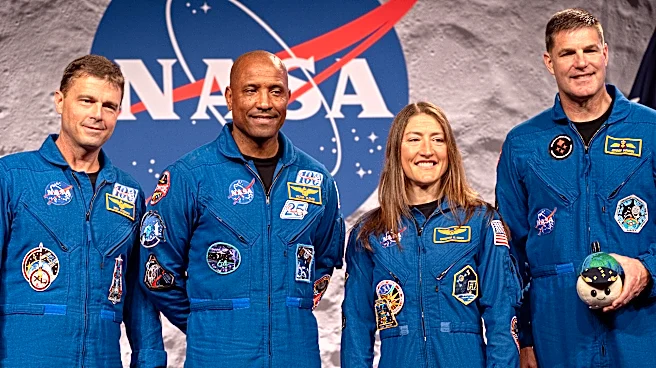
NASA has announced it is accepting applications for its next astronaut candidate class, specifically seeking individuals to staff a permanent Moon Base at the lunar south pole and to develop systems for future
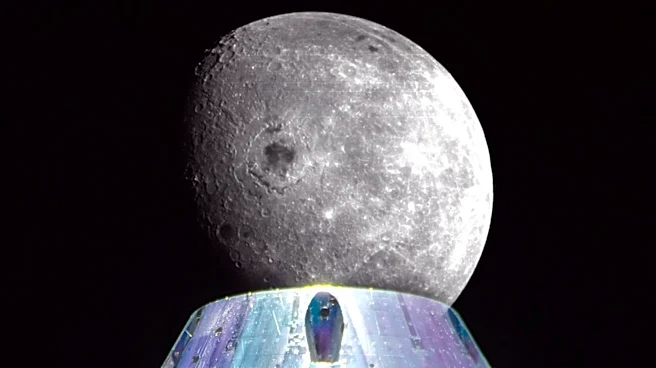
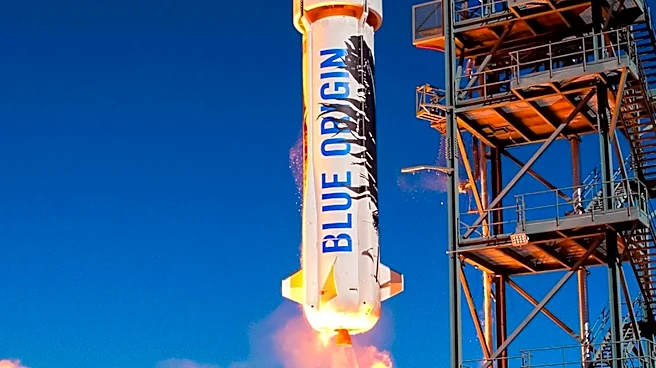
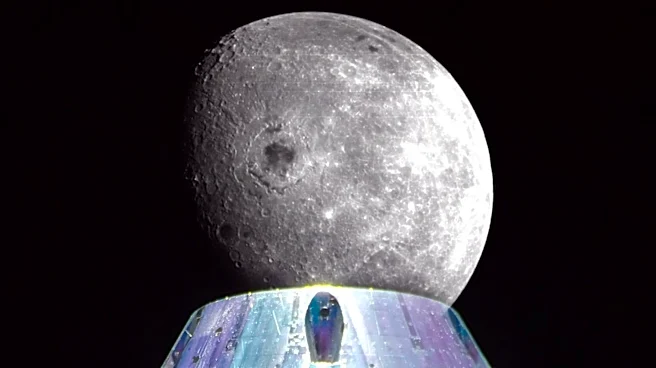
crewed missions to Mars. Applications are open until December 3, with selections expected in late 2027 and training to commence thereafter. This recruitment drive marks a significant shift, as it is the first class explicitly tasked with long-duration lunar habitation and direct Mars mission preparation. NASA Administrator Jared Isaacman emphasized the extraordinary nature of this opportunity, highlighting that selectees could live and work at the Moon Base and contribute to pioneering Mars mission systems. The Moon Base program is a funded, multi-billion-dollar initiative with unmanned infrastructure missions already underway, including science payloads delivered by Blue Origin's Blue Moon Mark 1 Endurance lander and surveying drones from NASA's Jet Propulsion Laboratory and Firefly Aerospace. The lunar south pole is chosen for its water ice reserves, crucial for life support and rocket propellant production, as well as its continuous sunlight for power and consistent communication with Earth.
Why It's Important?
This astronaut recruitment is pivotal for the future of U.S. space exploration, signaling a concrete commitment to establishing a sustained human presence beyond low Earth orbit. The focus on a permanent Moon Base at the lunar south pole underscores a strategic move to leverage lunar resources, particularly water ice, which can be converted into drinking water, oxygen, and rocket fuel. This capability is critical for reducing Earth-dependency and lowering the cost of deep-space missions, making future endeavors like crewed Mars missions more feasible and sustainable. The program's estimated $20 billion price tag and the target for a semi-permanent crewed presence by 2032 highlight a significant national investment in space infrastructure and scientific advancement. The selected astronauts will be at the forefront of developing and testing technologies for in-situ resource utilization, advanced life support systems, and long-duration extravehicular activities in extreme environments, directly impacting the technological readiness for future interplanetary travel.
What's Next?
Following the application deadline on December 3, NASA will proceed with a rigorous selection process, with the final astronaut class expected to be chosen in late 2027. These candidates will then undergo extensive training at Johnson Space Center in Houston, preparing them for the unique challenges of lunar habitation and Mars mission development. Concurrently, unmanned infrastructure missions for Moon Base I are scheduled to continue, with science payloads and surveying drones deploying to the lunar south pole in the coming months and before the end of 2026. Crewed lunar terrain vehicles from Astrolab and Lunar Outpost are slated to arrive before Artemis 4 in 2028. The long-term goal is to achieve a semi-permanent crewed presence on the Moon by 2032, with the selected astronauts playing a direct role in achieving this objective and advancing the systems necessary for eventual human missions to Mars.
Beyond the Headlines
This initiative represents a profound shift in NASA's approach to human spaceflight, moving beyond short-duration exploratory missions to establishing a sustained, multi-generational presence in space. The emphasis on resource utilization at the lunar south pole could set a precedent for future off-world colonization, transforming how humanity views and accesses extraterrestrial resources. Ethically, the establishment of a permanent Moon Base raises questions about international cooperation, resource ownership, and the long-term governance of celestial bodies. Legally, existing space treaties may need reinterpretation or expansion to address permanent settlements and resource extraction. Culturally, this endeavor could reignite public interest in space exploration, inspiring a new generation in STEM fields and fostering a broader human identity as a multi-planetary species. The technologies developed for lunar living, such as closed-loop life support and advanced robotics, could also have significant terrestrial applications, benefiting areas like remote medicine, sustainable resource management, and extreme environment survival.