






What's Happening?
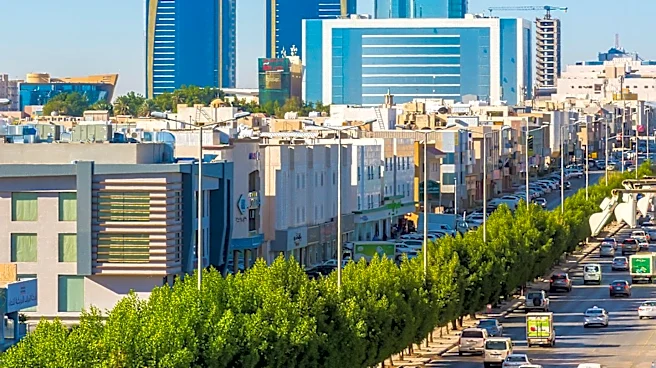
Saudi Arabia and Bahrain, despite their geographical proximity, are pursuing distinct economic and cultural development paths. Saudi Arabia, a vast, hydrocarbon-dependent kingdom with over 34 million citizens, is undertaking a monumental economic diversification
effort through Vision 2030, investing in tourism, entertainment, and technology to reduce its reliance on oil. This includes building a financial center and giga-projects like NEOM, and relaxing social codes. In contrast, Bahrain, a much smaller archipelago with a population of 1.5 million, diversified its economy much earlier due to smaller oil reserves, establishing itself as a leading financial hub in the GCC, with its financial sector contributing approximately 20% to its GDP. Culturally, while Saudi Arabia is undergoing top-down reforms to become more 'open,' traditional values remain strong. Bahrain, particularly its capital Manama, offers a more liberal cultural environment, with alcohol widely available and a focus on attracting skilled workers and tourists through a 'Western' lifestyle.
Why It's Important?
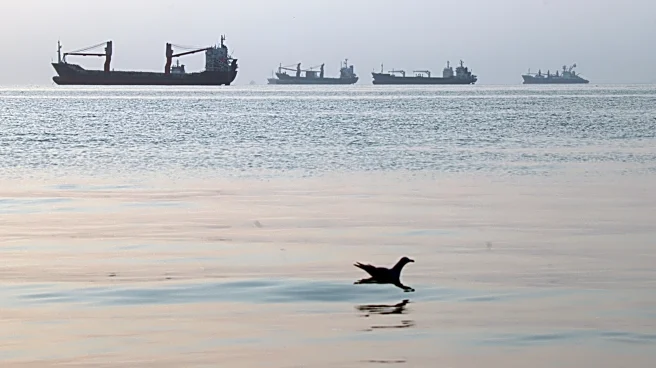
The contrasting development models of Saudi Arabia and Bahrain hold significant implications for U.S. foreign policy, economic interests, and regional stability. Saudi Arabia's ambitious Vision 2030 presents vast opportunities for U.S. businesses in sectors like technology, entertainment, and infrastructure, but also carries risks associated with large-scale, state-driven projects and the pace of social change. Bahrain's established role as a financial hub and its more liberal environment make it an attractive location for U.S. financial institutions and expatriates, offering a stable, albeit smaller, market. The U.S. maintains strong strategic alliances with both nations, with Bahrain hosting the U.S. Navy's Fifth Fleet. Understanding these divergent paths is crucial for U.S. policymakers to tailor diplomatic and economic engagements, ensuring that U.S. interests are advanced while navigating the complex geopolitical landscape and supporting regional stability. The success or failure of Saudi Arabia's diversification efforts could also influence broader economic trends in the Middle East, impacting global markets.
What's Next?
Saudi Arabia will continue its aggressive push towards Vision 2030, with ongoing investments in giga-projects and efforts to attract foreign investment and tourism. The success of these initiatives will depend on their ability to adapt to global economic shifts and regional dynamics. Bahrain will likely continue to leverage its established financial sector and relatively liberal environment to attract international business and talent. Both nations will remain key U.S. allies, and the U.S. will continue to engage with them on security, economic, and diplomatic fronts. The U.S. will closely monitor the social and cultural reforms in Saudi Arabia, as well as Bahrain's efforts to maintain its unique position in the region. The long-term economic and social outcomes of these divergent strategies will shape the future of the Gulf region and its relationship with the U.S.
Beyond the Headlines
The differing trajectories of Saudi Arabia and Bahrain underscore the complex interplay between economic necessity, cultural identity, and geopolitical positioning in the Middle East. Saudi Arabia's top-down reforms represent a bold attempt to modernize a deeply conservative society, raising questions about the sustainability of rapid social change and the balance between tradition and progress. Bahrain's earlier diversification and more liberal stance highlight the advantages of adaptability and the potential for smaller nations to carve out unique niches. Ethically, the cultural shifts in both nations present challenges and opportunities for human rights, freedom of expression, and social inclusion. The U.S. engagement with these countries must navigate these nuances, promoting shared values while respecting cultural differences. The long-term implications involve the potential for both convergence and divergence in regional development, influencing the broader narrative of modernization in the Arab world.