
What's Happening?
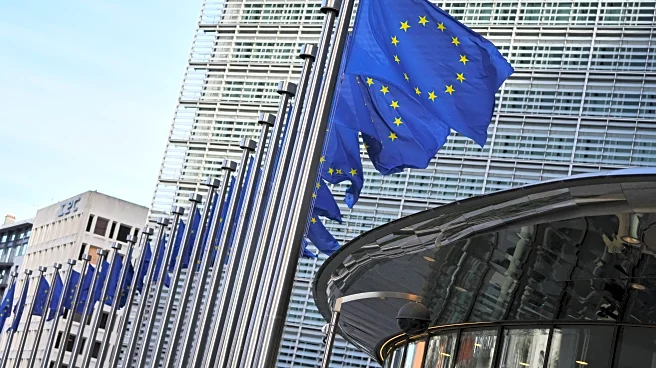
At a recent extraordinary meeting, EU agriculture ministers, led by Commissioners Christoph Hansen, Maroš Šefčovič, and Olivér Várhelyi, outlined significant measures to support EU food security and farmer
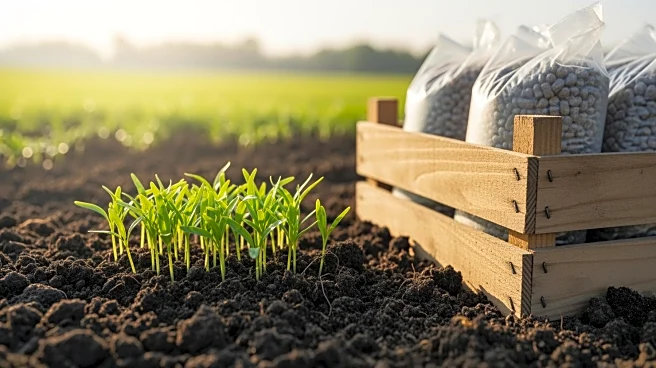
income under the future Common Agricultural Policy (CAP). The European Commission reaffirmed its commitment to safeguarding farmer income with a minimum of €300 billion allocated in the upcoming EU budget. Additionally, proposals were made to mobilize an extra €45 billion for farmers and rural communities. The meeting also addressed the high cost of fertilizers, with plans to temporarily suspend tariffs on key fertilizers to alleviate financial pressure on farmers. Furthermore, the Commission announced a Fertiliser Action Plan to enhance market transparency and promote alternative inputs. Regulatory simplifications were also discussed, aiming to reduce the administrative burden on farmers and ensure that banned substances do not re-enter the EU market through imports.
Why It's Important?
The measures announced are crucial for maintaining the competitiveness and sustainability of the EU's agricultural sector. By securing substantial funding and addressing fertilizer costs, the EU aims to stabilize farm incomes and ensure food security amid global market volatility. The regulatory simplifications and trade measures are designed to protect EU farmers from unfair competition and ensure that EU standards are upheld. These initiatives are expected to bolster the EU's strategic autonomy in agriculture, a sector deemed vital for European sovereignty. The focus on sustainability and innovation, with significant funding earmarked for biotechnology and the bioeconomy, highlights the EU's commitment to advancing agricultural practices that are both economically viable and environmentally friendly.
What's Next?
The implementation of these measures will begin in 2026, with the Fertiliser Action Plan set to be presented in the second quarter of the year. The EU will continue to refine its agricultural policies to adapt to changing market conditions and environmental challenges. The Commission's commitment to increasing external SPS checks and expanding EU border control points will be crucial in enforcing these new regulations. As these policies take effect, the EU will likely engage in further discussions with member states to ensure that the benefits of these measures are fully realized by farmers and rural communities across Europe.