
What's Happening?
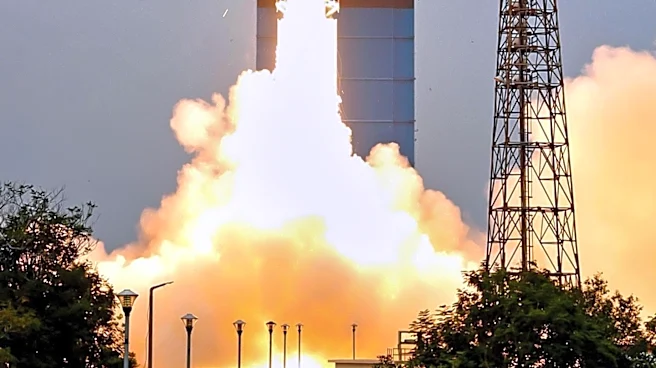
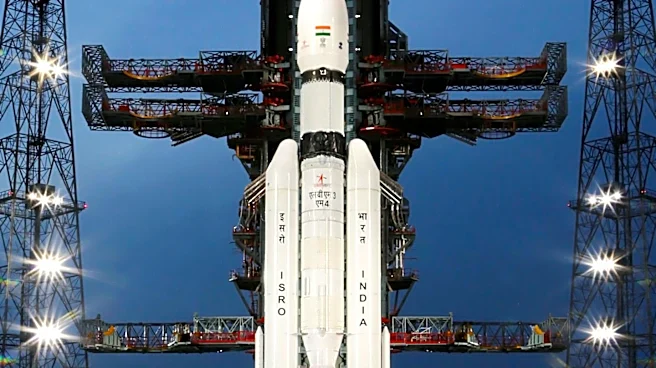
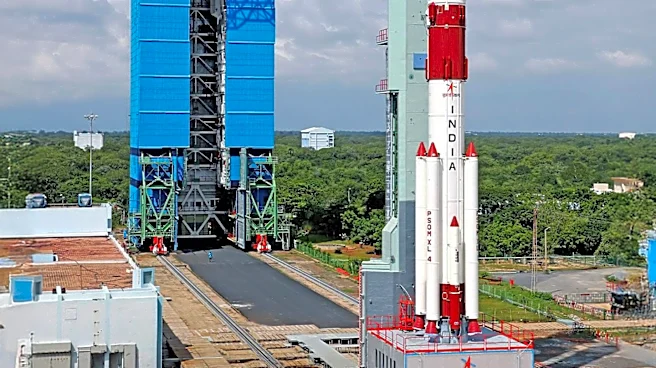
The Indian Space Research Organisation (ISRO) has successfully conducted a ground static test of the upgraded third stage (PS3) of its Polar Satellite Launch Vehicle (PSLV) at the Satish Dhawan Space Centre
in Sriharikota. This test follows anomalies observed in the PSLV's third stage during two previous missions: PSLV-C61/EOS-09 in May 2025 and PSLV-C62/EOS-N1 in January of the current year. In response to these setbacks, ISRO undertook a comprehensive review of the PS3 stage's design, manufacturing, and quality control processes. The upgraded configuration includes improvements to design margins, modifications to the nozzle, reinforced mechanical interfaces with redundant sealing systems, and updated procedures for raw material acceptance, assembly, and quality checks. Non-destructive testing (NDT) procedures have also been enhanced during integration and transportation phases. The successful static test validates these modifications, with further tests planned after detailed analysis of the collected data.
Why It's Important?
The reliability of the PSLV is crucial for India's space program, as it has been a workhorse launcher for numerous satellite missions. The anomalies in recent missions highlighted a critical need for re-evaluation and improvement to maintain confidence in the vehicle's performance. The successful ground test of the upgraded PS3 stage is a significant step towards restoring this reliability. A dependable PSLV ensures the continued deployment of essential satellites for communication, navigation, weather forecasting, and disaster warnings, which directly benefit various sectors and the public. Furthermore, a robust launch capability is vital for India's growing ambitions in space, including its human spaceflight program, Gaganyaan, and its increasing participation in the global space economy. Failures can lead to significant financial losses, delays in scientific and commercial projects, and a potential erosion of international trust in India's space capabilities. This successful test helps mitigate those risks and reinforces ISRO's commitment to stringent quality and safety standards.
What's Next?
Following the successful ground static test, ISRO will conduct a detailed analysis and review of the test data. This analysis will inform the planning of further tests to ensure the complete reliability and safety of the upgraded PSLV third stage. Once fully validated, the improved PSLV will be integrated into upcoming missions, aiming to prevent a recurrence of the previous anomalies. The restoration of PSLV's reliability is critical for India's ongoing and future space endeavors, including the launch of various satellites for national and international clients, and supporting the broader objectives of the Indian space program. The space agency's ability to quickly address and rectify technical issues is key to maintaining its competitive edge and achieving its long-term strategic goals in space exploration and utilization.
Beyond the Headlines
The successful upgrade and testing of the PSLV's third stage underscore a broader trend in the global space industry: the continuous pursuit of reliability and safety in launch vehicles. This incident highlights the inherent challenges and complexities of space engineering, where even minor anomalies can have significant consequences. ISRO's transparent approach to addressing the issues and implementing comprehensive corrective measures demonstrates a commitment to learning and improvement. This dedication is essential for fostering innovation and maintaining a leading position in the increasingly competitive space sector. The experience also provides valuable lessons for other space agencies and private companies, emphasizing the importance of rigorous testing, meticulous design reviews, and robust quality control throughout the development and operational phases of space missions. Ultimately, such efforts contribute to the long-term sustainability and success of space exploration for the benefit of humanity.