







What's Happening?
The World Food Program (WFP) has issued a warning about the severe impacts of the current El Niño phenomenon, dubbed the 'Godzilla El Niño,' which is expected to significantly disrupt food security for millions worldwide. This El Niño is characterized
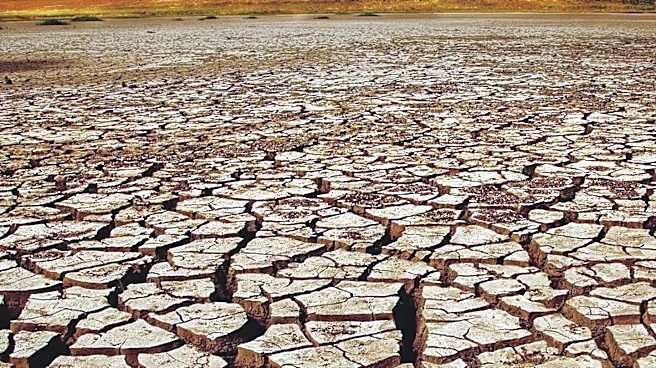
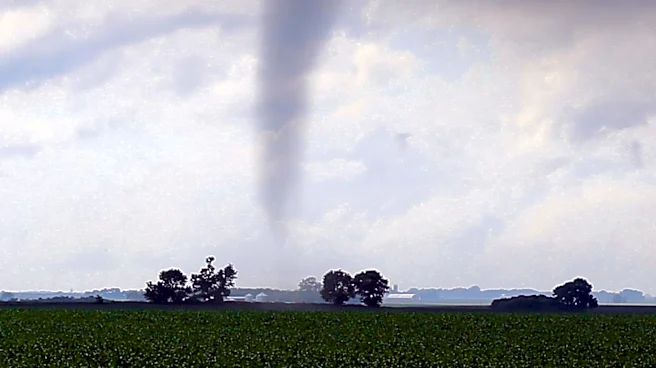
by its exceptional intensity, leading to drastic changes in weather patterns, including extreme droughts and floods. The WFP's report highlights that nearly 50 million people could face acute food insecurity due to these changes, exacerbating existing challenges in 45 countries where food scarcity is already a critical issue. The phenomenon is anticipated to alter rainfall and growing conditions, potentially affecting crop yields and food availability.
Why It's Important?
The 'Godzilla El Niño' poses a substantial threat to global food security, particularly in vulnerable regions already struggling with food shortages. The potential increase in acute food insecurity could lead to humanitarian crises, requiring significant international aid and intervention. The disruption of agricultural production could also impact global food prices, affecting economies and food supply chains worldwide. This situation underscores the urgent need for preparedness and adaptive strategies to mitigate the effects of climate-related disruptions on food systems.
What's Next?
As the El Niño phenomenon progresses, international organizations and governments may need to increase their efforts in providing aid and support to affected regions. Monitoring and forecasting will be crucial in anticipating and responding to the changing weather patterns. Additionally, there may be a push for more sustainable agricultural practices and policies to enhance resilience against such climate events in the future.