

What's Happening?
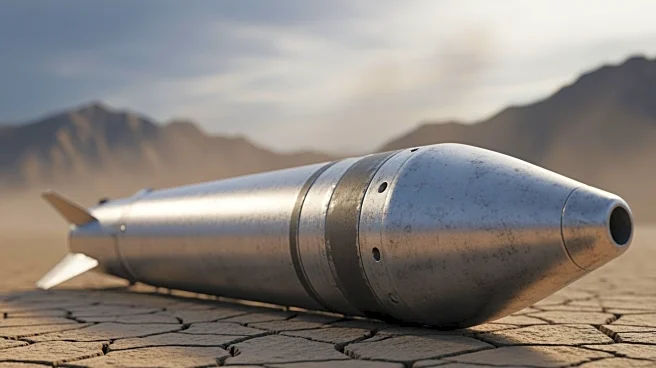
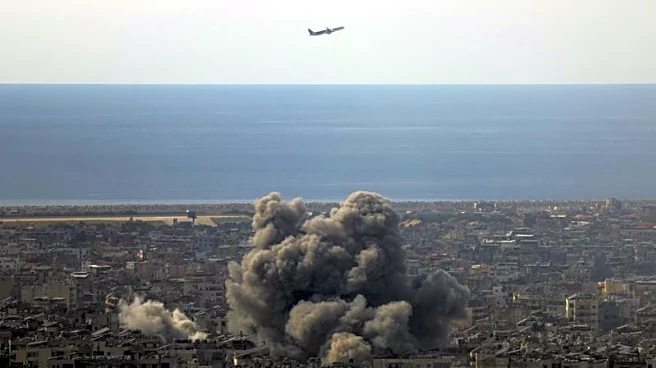
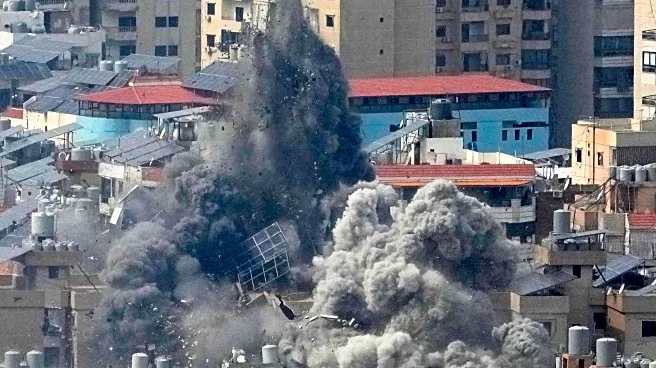
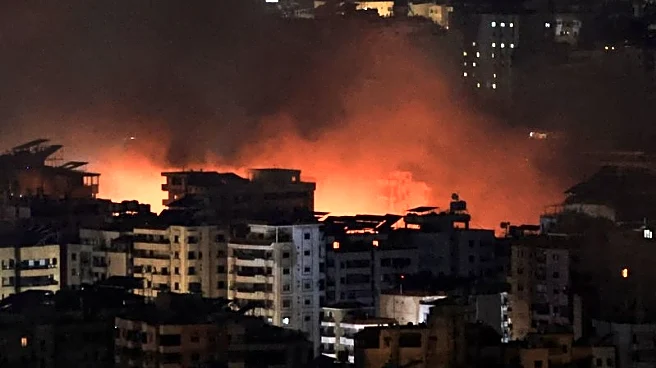
Human Rights Watch has accused the Israeli military of unlawfully using white phosphorus in a village in southern Lebanon. According to the report, the Israeli military fired white phosphorus shells into the residential areas of Yohmor, a village in southern Lebanon. This
action took place shortly after the Israeli military had warned residents of Yohmor and other nearby villages to evacuate. Human Rights Watch verified the use of white phosphorus through geolocating and analyzing seven images. The organization noted that it could not independently confirm if any residents remained in the area or if there were any casualties. White phosphorus is a controversial incendiary munition that can cause severe burns and is considered illegal under international law when used in populated areas.
Why It's Important?
The use of white phosphorus in populated areas is a significant concern due to its potential to cause severe harm to civilians. The allegations against the Israeli military highlight ongoing tensions and the humanitarian impact of military operations in the region. The use of such munitions can lead to international condemnation and calls for accountability, potentially affecting Israel's diplomatic relations. Furthermore, the incident underscores the broader issue of compliance with international humanitarian law in conflict zones, raising questions about the protection of civilians and the ethical implications of military tactics.
What's Next?
The Israeli military has not yet responded to the allegations made by Human Rights Watch. In the past, Israel has stated that it uses white phosphorus as a smoke screen rather than as a weapon against civilians. The international community may call for investigations into the incident, and human rights organizations are likely to continue monitoring the situation. The outcome of these investigations could influence future military engagements and the use of controversial munitions in conflict areas.
Beyond the Headlines
The use of white phosphorus in conflict zones raises ethical and legal questions about the conduct of military operations. It highlights the need for strict adherence to international humanitarian law and the protection of civilian populations. The incident may also prompt discussions on the regulation and oversight of military tactics and the accountability of armed forces in conflict situations. Additionally, it could lead to increased advocacy for the rights of civilians in war-torn regions and the prevention of similar incidents in the future.