






What's Happening?
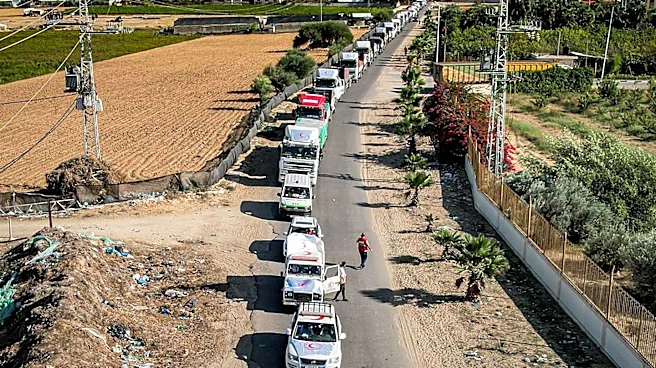
Direct Relief's humanitarian efforts in Ukraine have surpassed $2.5 billion in aid since February 2022. This extensive support includes the delivery of 6.4 million pounds of medicines and medical supplies, equivalent to 546.3 million defined daily doses.
The value of prescription medicines alone accounts for $2.41 billion, based on wholesale prices. A significant portion, approximately $651 million worth, consisted of medical products requiring refrigeration, such as cancer therapies, insulin, and biologic medicines. These supplies have been distributed to health facilities across Ukraine through the Ministry of Health, various hospitals like Okhmatdyt, and non-governmental organizations. Additionally, over $75 million in financial commitments have been made to health organizations and institutions within Ukraine and to groups assisting displaced Ukrainians, funding critical services including surgery, rehabilitation, mental health care, maternal and pediatric care, medical transport, and backup power.
Why It's Important?
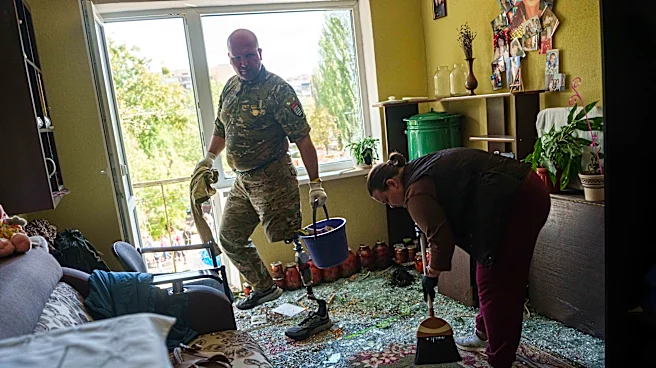
This substantial humanitarian aid is crucial for sustaining Ukraine's healthcare system amidst ongoing conflict, directly addressing both immediate and long-term medical needs. The provision of essential medicines, including specialized treatments like cancer therapies and insulin, ensures that critical care remains accessible to a population facing severe disruptions. The financial commitments support a broad spectrum of health services, from surgical and rehabilitative care to mental health support, which are vital for a country experiencing widespread trauma and displacement. Furthermore, investments in backup power for hospitals are essential for maintaining operations during power outages caused by attacks, ensuring that life-saving procedures and continuous care can proceed. This sustained support helps to mitigate the devastating impact of the conflict on public health and strengthens Ukraine's capacity to manage health crises in the years to come, highlighting the critical role of international humanitarian organizations in conflict zones.
What's Next?
Direct Relief's response is ongoing, with regular deliveries of medical supplies and continued investments in healthcare infrastructure and clinicians. The organization is also focusing on strengthening Ukraine's capacity to treat injuries and illnesses in the long term, recognizing that needs will persist even after the fighting ceases. This includes supporting surgical training programs, such as those provided by the Penn Center for Global Health, which have already trained numerous Ukrainian surgeons in complex reconstructive procedures. Investments in rehabilitation centers, like the UNBROKEN National Rehabilitation Center, will continue to support patients recovering from severe injuries. Furthermore, efforts to enhance medical storage and distribution, including expanding humanitarian warehouse capacity, are underway to counter threats to medical supply chains, such as the recent destruction of a WHO warehouse in the Kyiv region. The organization also plans to continue supporting mental health services, maternal care, and pediatric services for affected families and children.
Beyond the Headlines
The extensive humanitarian aid provided by Direct Relief underscores the profound and multifaceted challenges faced by Ukraine's healthcare system due to the ongoing conflict. Beyond the immediate provision of supplies, the initiative highlights the critical need for long-term investment in human capital and infrastructure to rebuild and sustain healthcare services in a war-torn nation. The focus on specialized training for Ukrainian surgeons and the development of rehabilitation facilities points to a strategic approach that aims to empower local professionals and institutions, fostering self-sufficiency in the face of prolonged adversity. The vulnerability of medical supply chains, as evidenced by attacks on warehouses, also brings to light the ethical and logistical complexities of delivering aid in conflict zones, where humanitarian efforts can become targets. This situation emphasizes the broader implications for international humanitarian law and the protection of medical facilities and personnel during wartime.