




What's Happening?
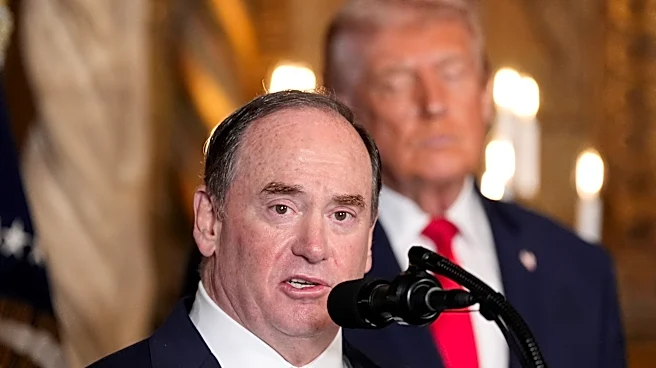
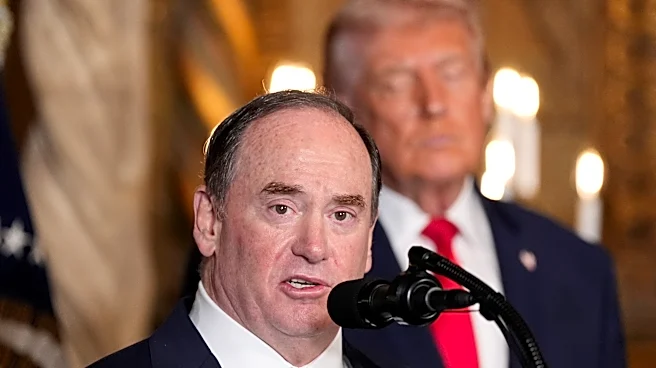
Navy Secretary John Phelan has been dismissed from his position, marking the first time a Trump-appointed service chief has been fired since President Trump returned to office. The Pentagon announced Phelan's departure without providing a specific reason,
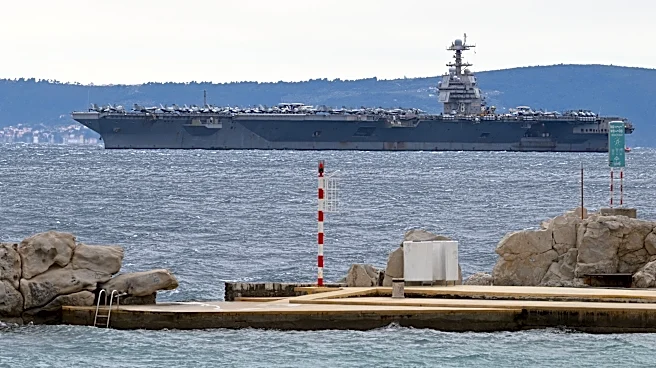
although sources indicate it was due to his slow implementation of shipbuilding reforms and strained relationships with key Pentagon leaders, including Defense Secretary Pete Hegseth. Phelan's firing is part of a broader shakeup within the Pentagon, which has seen several high-level dismissals under Hegseth's leadership. The move comes as the U.S. military is under pressure to expand its naval fleet amid tensions with Iran and competition from China's growing shipbuilding industry.
Why It's Important?
The dismissal of Navy Secretary John Phelan highlights ongoing instability within the Pentagon under the Trump administration. This upheaval could impact the U.S. military's strategic capabilities, particularly in naval operations, as the country faces increasing geopolitical challenges. The decision to remove Phelan may also reflect broader tensions within the administration regarding defense priorities and budget allocations. With the U.S. military relying heavily on naval assets to enforce a blockade against Iran, the leadership changes could affect the execution of these operations. Additionally, the focus on expanding the naval fleet underscores the strategic importance of maintaining maritime dominance in the face of China's expanding capabilities.
What's Next?
Following Phelan's dismissal, Hung Cao, the Navy's No. 2 civilian, will assume the role of acting Navy secretary. The Pentagon will likely continue to experience leadership changes as it seeks to align its strategic objectives with President Trump's defense policies. The administration's $1.5 trillion defense budget request, which includes significant investments in shipbuilding, will be a key area of focus as the Pentagon navigates these transitions. The broader implications of these changes on U.S. military readiness and international relations will be closely monitored by policymakers and defense analysts.