






What's Happening?
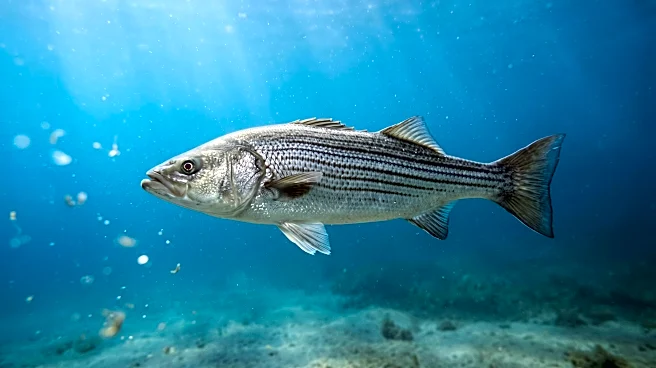
The population of striped bass, an iconic species for East Coast anglers, is facing a significant decline, leading to concerns about its potential collapse. Fishermen across the Northeast are reporting fewer and older fish, with a noticeable absence of younger
stripers. Scientists confirm that the fish have experienced eight consecutive years of poor reproduction in the Chesapeake Bay, their most critical habitat, and the population has decreased along much of the Atlantic coast. Factors contributing to this decline include warming waters, poor river flow, drought, pollution, and increased predation from seals and sharks. While the Atlantic States Marine Fisheries Commission considers the stock overfished, it states that overfishing is not currently occurring. Recreational fishing accounts for a much larger catch than commercial fishing, and despite many fish being released alive, some do not survive the encounter.
Why It's Important?
The potential collapse of the striped bass population carries significant economic and ecological implications for the U.S. The striped bass fishing industry contributes an estimated $8 billion in economic impact and supports up to 100,000 jobs. A severe decline in this species would devastate these livelihoods and related businesses, including fishing guides, boat trips, gear suppliers, and hospitality services. Ecologically, striped bass are high-level predators that help regulate smaller fish populations, and their loss could disrupt marine ecosystems. The situation highlights the complex interplay of environmental factors like climate change and human activities such as fishing pressure, underscoring the challenges in managing shared natural resources and the need for effective conservation strategies to prevent irreversible damage to both the environment and the economy.
What's Next?
Regulators have implemented changes to striped bass management, including standardizing size requirements for catches. However, some fishermen and experts are advocating for more drastic measures, such as stricter fishing limits or even a moratorium, similar to one enacted in the 1980s. Patrick Paquette, government affairs coordinator for the Massachusetts Striped Bass Association, predicts a severe collapse around 2029-2030 if current trends continue without significant intervention. The debate will likely continue between those who believe current regulations are sufficient and those pushing for more aggressive conservation efforts to ensure the species' survival and the future of the fishing industry it supports. Monitoring environmental conditions and fish reproduction rates will be crucial in determining the effectiveness of any future management strategies.
Beyond the Headlines
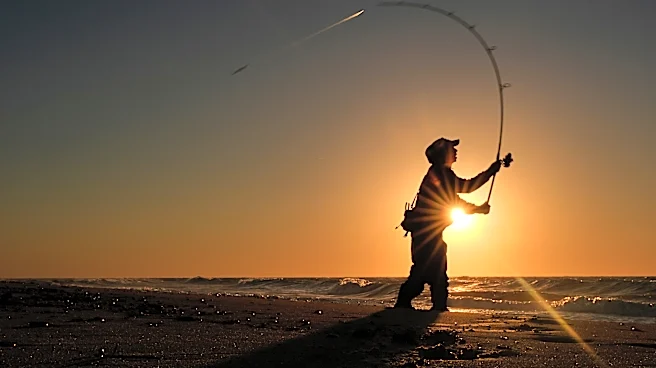
The decline of the striped bass population extends beyond immediate economic and ecological concerns, touching upon the cultural heritage of East Coast communities. Striped bass fishing is a long-standing tradition, deeply embedded in the lifestyle of many coastal residents. The potential loss of this species represents not just an economic blow but also the erosion of a cherished pastime and a way of life passed down through generations. This situation also underscores broader questions about the sustainability of recreational activities and the balance between human enjoyment and environmental preservation. It serves as a stark reminder of how interconnected human societies are with natural ecosystems and the long-term consequences of environmental degradation and unsustainable practices.