



What's Happening?
Andrew Bailey, one of the FBI's two deputy directors, announced his resignation on Monday, September 28, 2026, after serving just over a year in the position. Bailey stated he is returning to Missouri to spend time with his family. His appointment in August
2025 as co-deputy director alongside Dan Bongino was unusual, as the FBI traditionally has only one person in the No. 2 role. This period was marked by significant tensions between FBI and Justice Department leadership concerning the handling of the release of the Jeffrey Epstein files. Bailey, a former attorney general from Missouri and a Republican supporter of President Trump, remained in his post after Bongino's departure. In January 2026, veteran agent Christopher Raia was added as another deputy director under Director Kash Patel. Bailey maintained a low public profile during his tenure but was present during an FBI election fraud investigation in Fulton County, Georgia, in January.
Why It's Important?
Bailey's resignation highlights ongoing leadership changes and potential internal dynamics within the FBI, particularly following a period of reported tension with the Justice Department over sensitive matters like the Epstein files. The unusual appointment of two deputy directors and the subsequent departures suggest a period of instability or strategic realignment within the bureau's top ranks. His departure could impact the continuity of ongoing investigations and reforms initiated during his tenure. The mention of his presence during an election fraud investigation in Georgia underscores the FBI's involvement in politically charged cases, and his exit might be viewed through the lens of political affiliations given his past support for President Trump. The FBI Director Kash Patel's acknowledgment of Bailey's 'dedicated service' and 'critical reforms' suggests that his role, though brief, was seen as impactful internally.
What's Next?
Following Andrew Bailey's resignation, the FBI will likely need to address the vacancy in its deputy director leadership. This could involve appointing a new co-deputy director or reverting to the traditional structure of a single deputy director. Director Kash Patel has expressed confidence in the FBI's continued reform efforts, combating violent crime, defending the homeland, and restoring public trust. The ongoing FBI election fraud investigation in Fulton County, Georgia, where Bailey was present, will continue under the remaining leadership. His return to Missouri suggests a move away from federal law enforcement, though his future professional endeavors are not specified. The broader implications for the FBI's relationship with the Justice Department and its handling of high-profile cases, such as those related to the Epstein files, will continue to be observed.
Beyond the Headlines
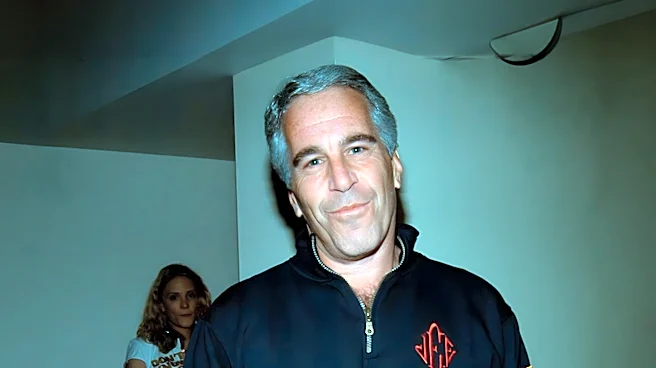
The context of Andrew Bailey's resignation, particularly the 'high tensions between FBI and Justice Department leadership over the handling of the release of the Jeffrey Epstein files,' points to deeper systemic challenges within federal law enforcement. The Epstein files, a collection of records concerning Jeffrey Epstein and his associates, have been a source of public scrutiny and political pressure. The internal disagreements over their release suggest potential conflicts regarding transparency, national security, and legal processes at the highest levels of government. The FBI's decision to appoint two deputy directors, an unusual move, could indicate an attempt to balance different internal factions or manage complex operational demands. Bailey's background as a former attorney general and a supporter of President Trump also highlights the increasing politicization of federal law enforcement appointments and the potential for political leanings to influence institutional roles and public perception.