




What's Happening?
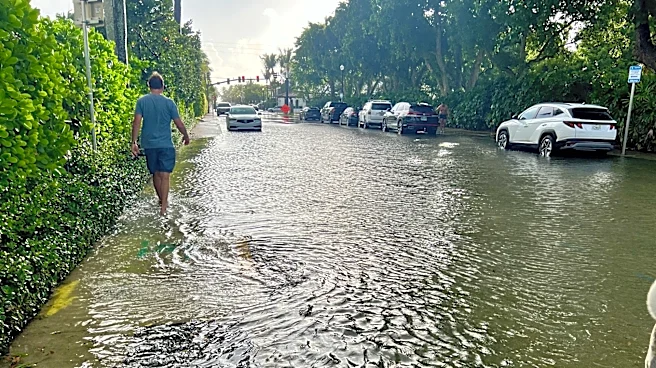
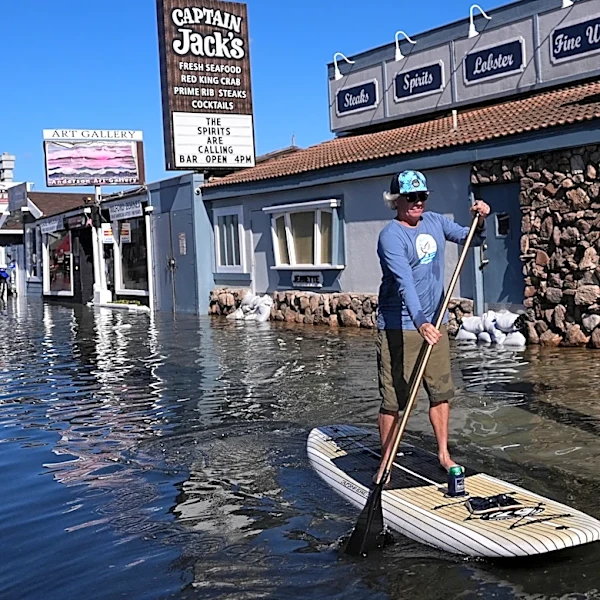
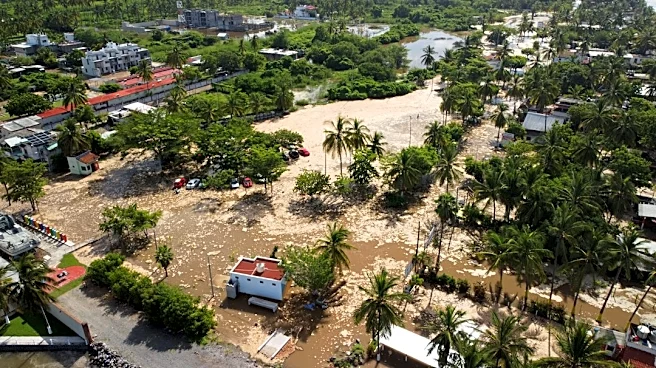
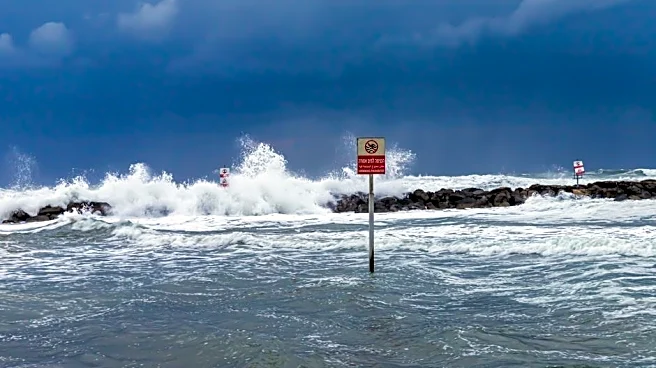
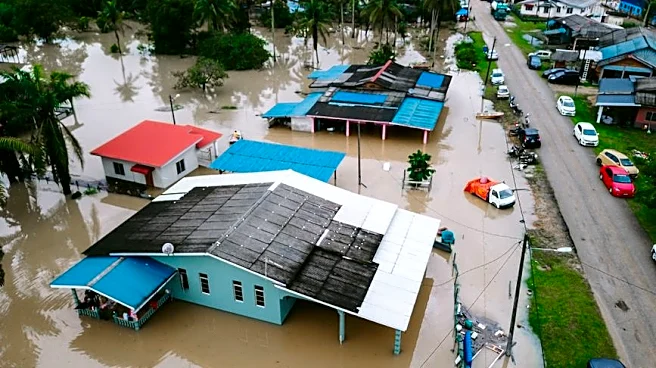
Parts of Florida are experiencing severe coastal flooding due to the ongoing fall King Tide event, with flood levels surpassing records set by several past hurricanes, including Hurricane Nicole in 2022. On Tuesday, South Port Everglades recorded flooding 2.51
feet above normally dry ground, exceeding Monday's high-water mark. Several low-lying neighborhoods in South Florida were completely inundated with several feet of water during high tide. The FOX Forecast Center reported that Tuesday ranked among the top five flood events on record for Virginia Key, Port Canaveral, and Lake Worth. This tidal flooding is intensified by persistent northeasterly winds pushing seawater onshore. Coastal Flood Warnings are in effect through Friday across parts of South Florida, Georgia, and the South Carolina Lowcountry.
Why It's Important?
This record-breaking King Tide event highlights the increasing vulnerability of U.S. coastal communities to rising sea levels and tidal flooding, even in the absence of direct hurricane impacts. The economic consequences are significant, affecting property values, infrastructure, and local businesses. Road closures and travel disruptions impact daily commerce and resident mobility. The repeated and intensified flooding events necessitate substantial investments in resilient infrastructure, such as improved drainage systems and seawalls, to protect coastal assets. Furthermore, the event underscores the challenges faced by the insurance industry, as claims related to tidal flooding may become more frequent and costly. The long-term implications include potential population displacement and shifts in coastal development patterns as communities adapt to a changing environment.
What's Next?
Relief for the affected neighborhoods in Florida is expected to be gradual as high tide cycles slowly begin to recede after Wednesday. However, Coastal Flood Warnings remain in effect through Friday across parts of South Florida, Georgia, and the South Carolina Lowcountry. Around Jacksonville, persistent northerly to northeasterly winds could impede drainage along the St. Johns River, prolonging high water in riverfront areas. The City of Fort Lauderdale has advised residents to anticipate road closures due to flooding through Thursday. Additionally, South Florida could experience another round of heavy tropical rainfall on Wednesday, with NOAA’s Weather Prediction Center issuing a Level 1 out of 4 flash flood risk from New Smyrna Beach to areas just north of West Palm Beach. Charleston and the South Carolina Lowcountry also face a heightened threat of major flooding.
Beyond the Headlines
The severity of these King Tides, exceeding flood levels from past hurricanes, points to a deeper, systemic issue beyond typical seasonal variations: the accelerating impact of sea-level rise. This event serves as a stark indicator of how climate change is exacerbating natural tidal phenomena, transforming what were once predictable high tides into significant flood events. It raises critical questions about the long-term habitability and economic viability of low-lying coastal areas in the U.S. The ethical implications involve decisions about managed retreat versus costly adaptation measures, and how these choices will affect vulnerable populations. Culturally, these events challenge traditional notions of coastal living and may necessitate a re-evaluation of urban planning and environmental policies to foster greater resilience in the face of ongoing climate shifts.