
What's Happening?
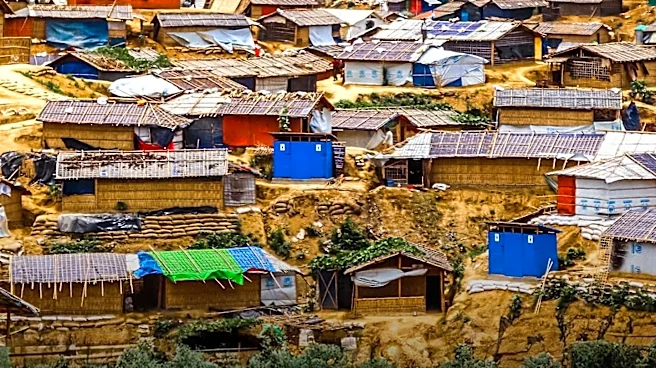
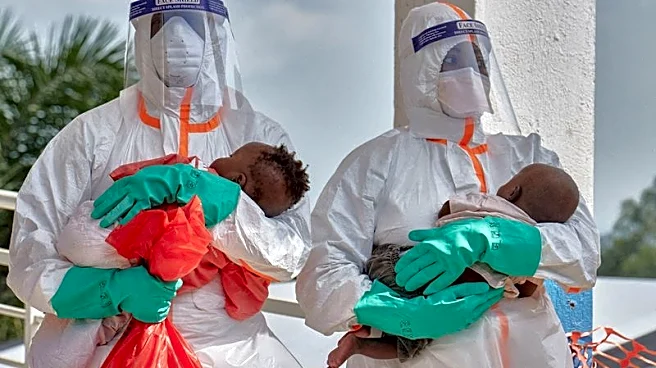
The Ebola outbreak in the Democratic Republic of the Congo (DRC) has spread to displacement camps in Ituri province, with 19 internally displaced people infected and five fatalities reported. The outbreak, which began in May, has resulted in nearly 4,000
cases and over 1,800 deaths. The World Health Organization (WHO) and other agencies are intensifying efforts to control the spread, including strengthening coordination with the DRC government and accelerating access to care. The outbreak is exacerbated by ongoing conflict in the region, which complicates response efforts and increases the risk of transmission.
Why It's Important?
The spread of Ebola to displacement camps highlights the vulnerability of internally displaced populations, who often lack adequate water, sanitation, and healthcare infrastructure. The outbreak poses a significant public health challenge, with the potential to spread beyond the DRC if not contained. The international community, including the WHO and UN agencies, is actively involved in response efforts, emphasizing the need for global cooperation in addressing infectious disease outbreaks. The situation underscores the importance of strengthening healthcare systems and infrastructure in conflict-affected regions to prevent future outbreaks.
What's Next?
Efforts to contain the Ebola outbreak will continue, with a focus on increasing testing, treatment, and community engagement. The WHO and its partners are working to build and support Ebola Treatment Centres and enhance surveillance and laboratory testing. The international community may need to provide additional resources and support to the DRC to ensure an effective response. The ongoing conflict in the region remains a significant barrier to controlling the outbreak, and efforts to address the root causes of instability may be necessary to prevent future health crises.