








What's Happening?
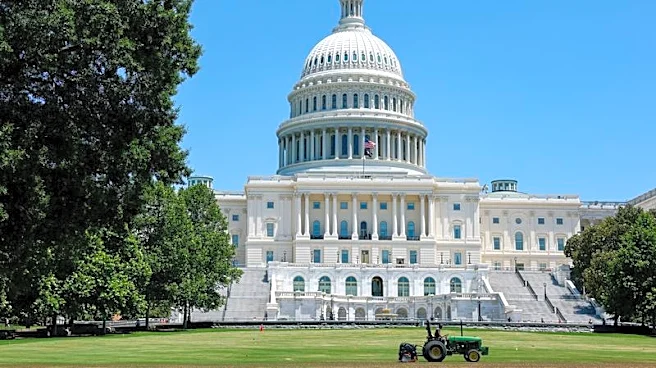
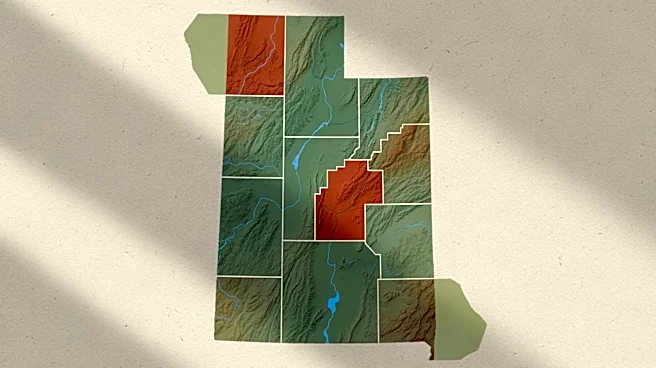
Utah voters are set to nominate candidates for Congress using a newly drawn map that introduces a Democratic-friendly district in Salt Lake City. This change comes after a Utah court invalidated the previous map, which divided Salt Lake City among four
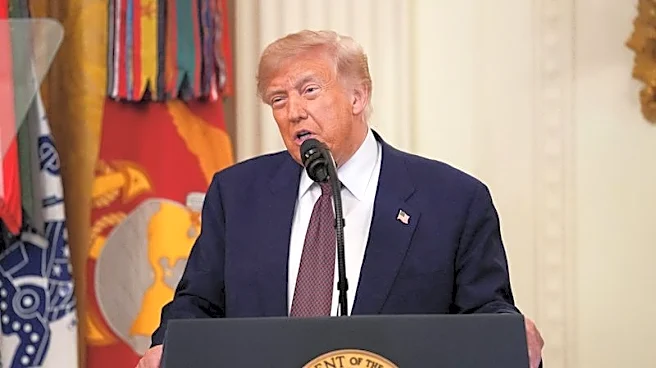
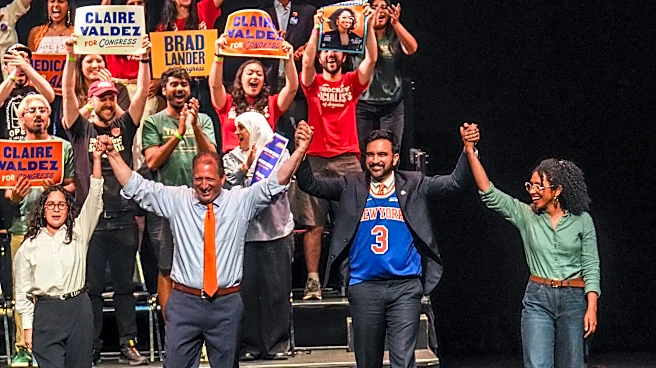
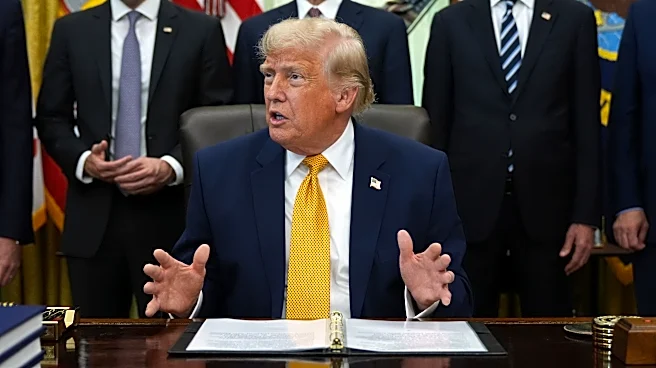
Republican-dominated districts. The court's decision was based on a 2018 voter-backed measure aimed at reducing partisanship in redistricting. The new map could potentially add a Democratic seat, challenging the state's all-Republican delegation. Former Salt Lake City mayor Ben McAdams is among the Democratic candidates vying for a seat in the newly favorable district. Meanwhile, Republican incumbents face primary challenges in other districts, with President Trump endorsing those seeking reelection.
Why It's Important?
The redistricting in Utah is significant as it could alter the political landscape by potentially increasing Democratic representation in a traditionally Republican state. This shift is crucial in the context of the midterm elections, where Republicans aim to maintain their slim majority in the U.S. House. The new map reflects broader national trends of redistricting efforts, often influenced by political strategies to gain electoral advantages. The outcome of Utah's primary could serve as a bellwether for similar redistricting impacts in other states, affecting party dynamics and legislative priorities at both state and national levels.
What's Next?
As Utah voters head to the polls, the results will determine the candidates for the upcoming midterm elections. The primary outcomes will set the stage for the general election, where the newly drawn districts will be tested for their political viability. Stakeholders, including political parties and advocacy groups, will closely monitor the election results to assess the effectiveness of the new map. The potential for increased Democratic representation may lead to shifts in policy focus and legislative agendas, particularly in areas like healthcare, education, and environmental issues.
Beyond the Headlines
The redistricting in Utah highlights ongoing debates about gerrymandering and its impact on electoral fairness. The court's decision to implement a map that reduces partisanship underscores the legal and ethical challenges in creating equitable voting districts. This development may inspire similar legal actions in other states, prompting discussions on the balance between political strategy and voter representation. Additionally, the involvement of President Trump in endorsing candidates reflects the continued influence of national figures in local elections, shaping party dynamics and voter engagement.