



What's Happening?
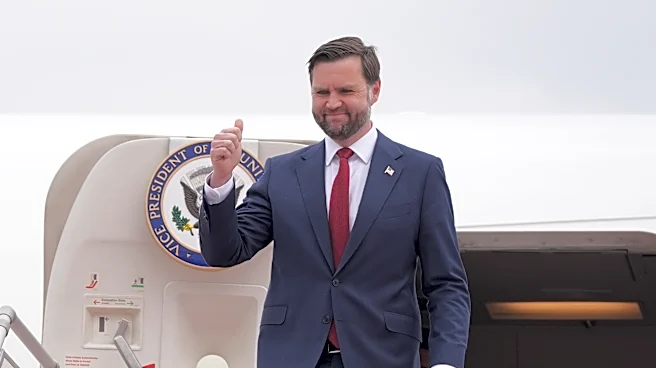
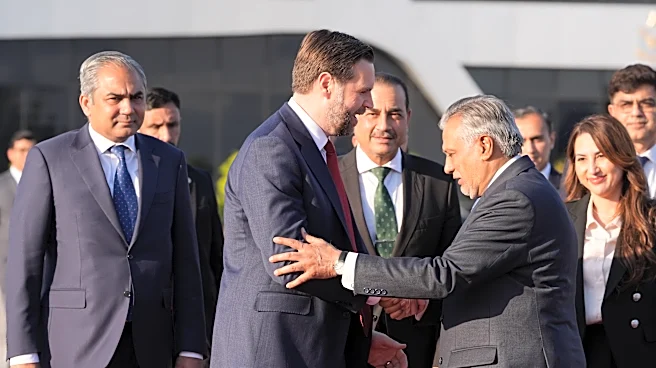
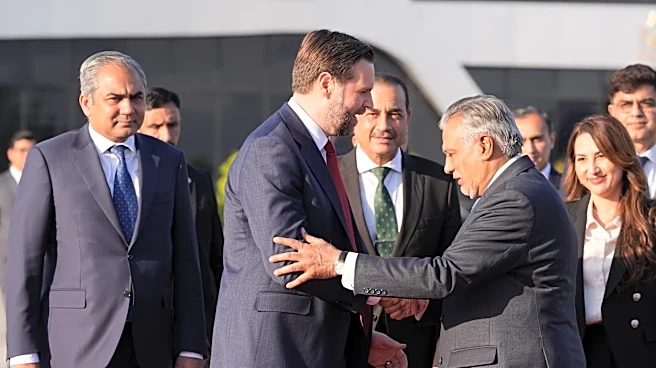
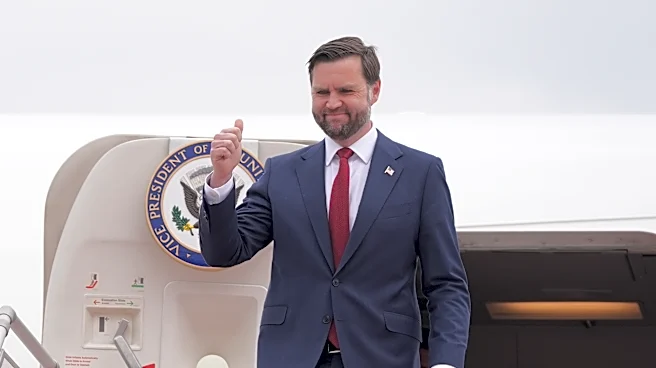
Recent negotiations between the United States and Iran in Islamabad, Pakistan, concluded without reaching an agreement, leaving the status of a fragile ceasefire uncertain. The talks, which lasted 21 hours, were aimed at resolving tensions related to
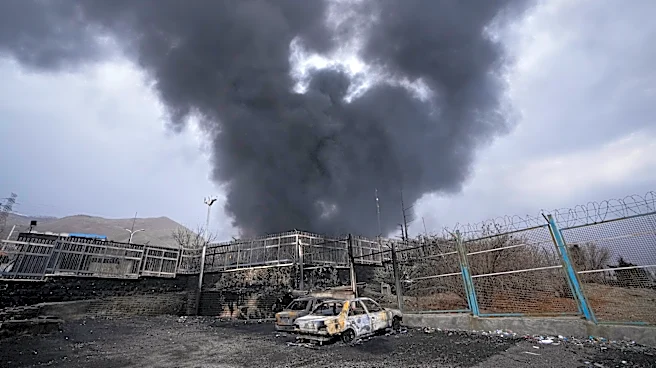
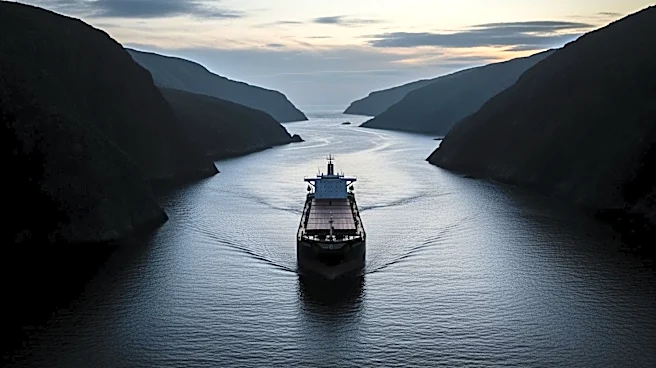
Iran's nuclear ambitions and control over the Strait of Hormuz. Following the failed discussions, President Trump announced that the U.S. Navy would initiate a blockade of the Strait of Hormuz, a critical waterway for global oil transportation. This move is intended to curb Iran's economic leverage by preventing ships from entering or leaving the strait. The blockade announcement has already impacted oil prices, with U.S. crude oil rising by 8% and Brent crude by 7%. The situation remains tense as both nations have yet to find common ground on key issues, including Iran's nuclear program and regional security dynamics.
Why It's Important?
The failure of the U.S.-Iran talks and the subsequent blockade of the Strait of Hormuz have significant implications for global energy markets and geopolitical stability. The Strait of Hormuz is a vital chokepoint through which approximately 20% of the world's oil supply is transported. Any disruption in this region can lead to increased oil prices, affecting economies worldwide. The blockade could exacerbate tensions in the Middle East, potentially leading to further military confrontations. Additionally, the situation highlights the challenges in diplomatic negotiations over nuclear proliferation and regional security, with both the U.S. and Iran holding firm on their respective positions. The outcome of these developments could influence international relations and economic policies, particularly in countries reliant on Middle Eastern oil.
What's Next?
In the wake of the failed talks, the U.S. is expected to enforce the blockade of the Strait of Hormuz, which may lead to further diplomatic and military responses from Iran. The international community, including countries like Australia and the European Union, is likely to call for continued negotiations to prevent escalation. There may be increased diplomatic efforts to mediate between the U.S. and Iran, with countries like Pakistan playing a key role in facilitating dialogue. The situation could also prompt discussions within the United Nations and other international bodies to address the broader implications of the blockade and seek peaceful resolutions. Monitoring the response from global oil markets and regional stakeholders will be crucial in assessing the long-term impact of these developments.
Beyond the Headlines
The blockade of the Strait of Hormuz raises ethical and legal questions about the use of military force in international waters and the potential consequences for civilian populations. The move could set a precedent for how nations assert control over strategic resources and waterways, impacting international maritime law. Additionally, the situation underscores the complexities of balancing national security interests with global economic stability. The ongoing tensions may also influence public opinion and political discourse in the U.S. and Iran, affecting future policy decisions and leadership dynamics. As the situation unfolds, it will be important to consider the humanitarian impact on affected regions and the potential for long-term shifts in global energy strategies.