





What's Happening?
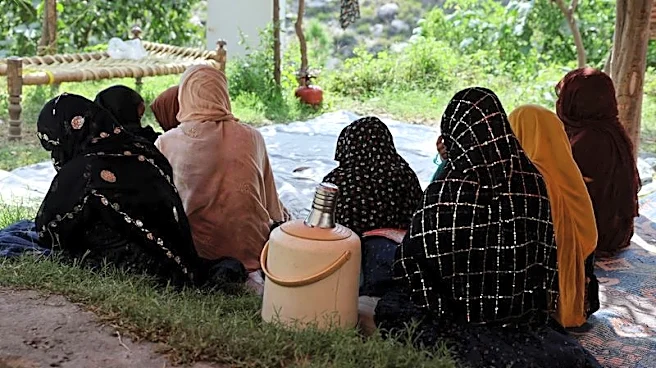
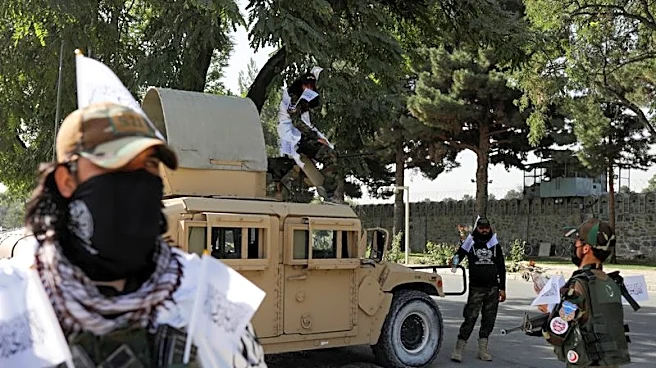
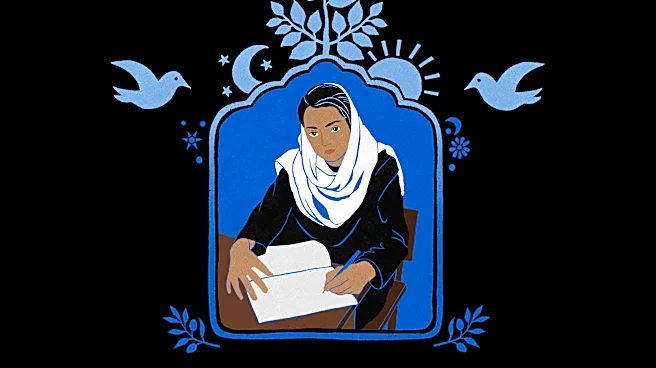
Since the Taliban's return to power in Afghanistan, women have faced severe restrictions on their rights and freedoms. Women are barred from most forms of employment, including roles in international humanitarian organizations, and are excluded from public
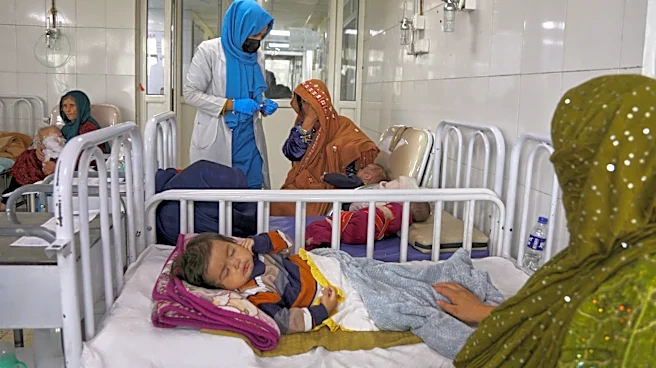
and political life. The Taliban's decrees have also restricted women's access to education, healthcare, and public spaces. These measures have effectively confined many women to their homes, limiting their ability to participate in society and contribute to the country's development. The Taliban's policies have also led to an increase in child marriages and have dismantled systems that previously supported women's rights and protection.
Why It's Important?
The Taliban's policies have profound implications for Afghan society and the international community. The exclusion of women from public life and the workforce not only violates human rights but also hinders Afghanistan's economic and social development. The international community faces a moral and strategic challenge in addressing these violations while engaging with the Taliban. The situation highlights the need for sustained international pressure and support for Afghan women and girls, who are at risk of losing decades of progress in gender equality and empowerment.
What's Next?
International organizations and governments must continue to advocate for women's rights in Afghanistan and explore ways to support Afghan women and girls under the current regime. This includes providing resources for education and healthcare through alternative channels and supporting civil society organizations that work to protect women's rights. The global community must also consider the long-term implications of the Taliban's policies on regional stability and international security.