




What's Happening?
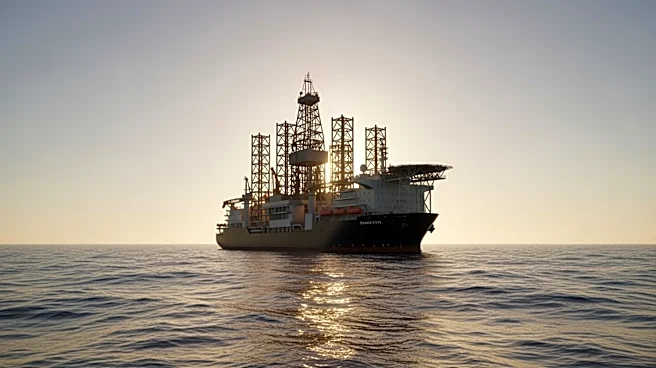
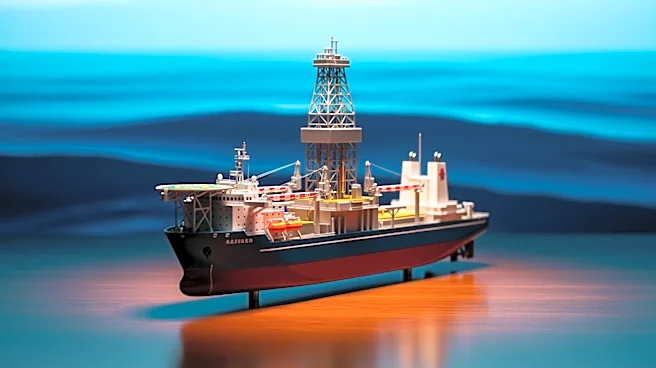
Petrobras, Brazil's state-run oil company, has initiated offshore drilling in the Equatorial Margin near the Amazon River's mouth, leading to a significant influx of migrants to the small city of Oiapoque in Brazil's Amapa state. This development follows
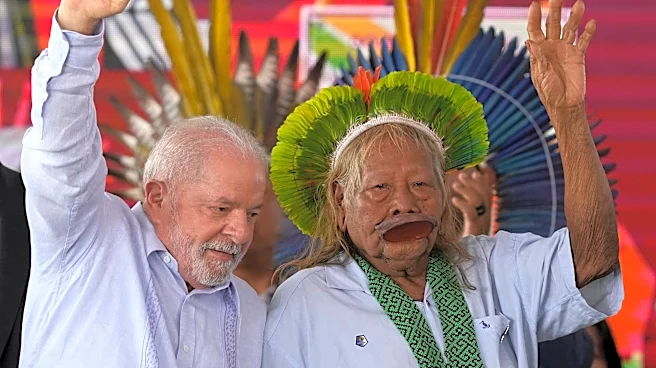
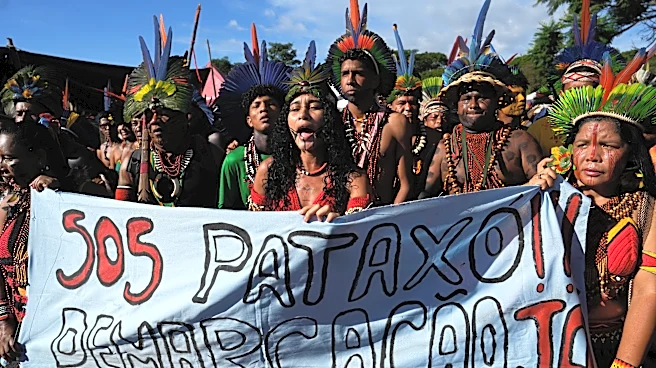
Petrobras securing environmental licensing for the drilling, which has sparked hopes of economic growth in one of Brazil's poorest regions. The city, previously reliant on fishing and illegal gold mining, is experiencing rapid population growth and urban expansion, with new neighborhoods emerging. However, this unplanned growth is straining the city's already limited infrastructure, with less than 2% of households having adequate sewage systems. Environmental and Indigenous groups have raised concerns, filing lawsuits to halt exploration due to potential environmental risks and inadequate consultation with local communities.
Why It's Important?
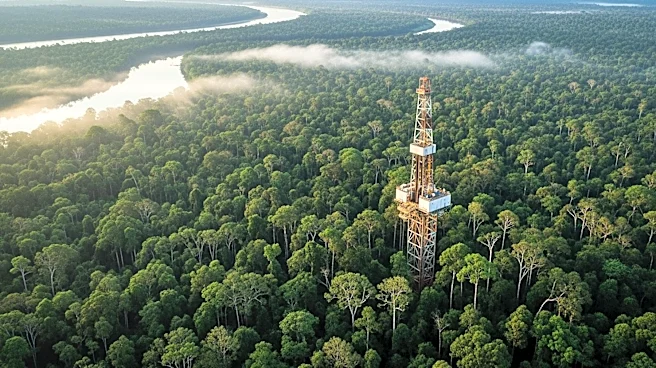
The situation in Oiapoque highlights the complex balance between economic development and environmental protection. While the potential oil reserves could significantly boost the local economy, providing jobs and increasing revenue, the environmental risks pose a threat to the Amazon's biodiversity and the traditional ways of life for Indigenous communities. The drilling also challenges Brazil's commitment to reducing greenhouse gas emissions and protecting the Amazon, a critical component in global climate regulation. The influx of migrants and rapid urbanization could lead to further deforestation and environmental degradation, undermining efforts to preserve the region's ecological integrity.
What's Next?
If Petrobras discovers significant oil reserves, further government permits will be required for extraction, a process that could take months or years. Meanwhile, the city of Oiapoque must address the challenges of rapid population growth and infrastructure strain. The ongoing legal challenges from environmental and Indigenous groups could delay or alter the course of Petrobras' operations. The Brazilian government and Petrobras will need to navigate these legal and environmental hurdles while balancing economic aspirations with sustainable development goals.
Beyond the Headlines
The situation in Oiapoque serves as a microcosm of the broader global challenge of balancing economic development with environmental sustainability. The potential transformation of Oiapoque into an 'Amazonian Dubai' underscores the allure of oil wealth, yet also serves as a cautionary tale of the social and environmental costs associated with such rapid development. The outcome of this situation could influence future policies on resource extraction in ecologically sensitive areas, setting precedents for how developing nations manage their natural resources in the face of global environmental challenges.