





What's Happening?
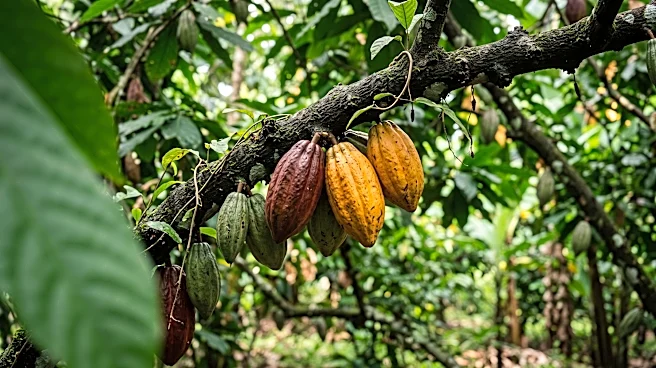
Scientists at the National Centre for Agronomic Research (CNRA) in Ivory Coast are actively developing new cocoa bean varieties designed to withstand the impacts of climate change. This initiative comes as the country, the world's leading cocoa producer,
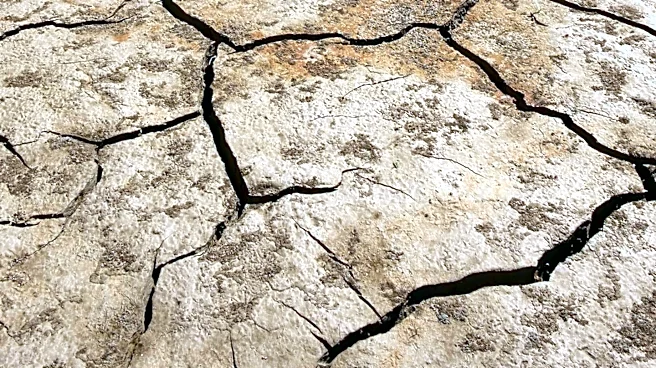
faces significant threats to its cocoa output due to increasingly unpredictable weather patterns, including droughts and torrential rains. Koffi Alexis Amani, an Ivorian cocoa farmer, has observed his cocoa trees wilting and withering due to these climatic shifts. The CNRA researchers are specifically focusing on creating varieties less sensitive to water availability. Geneticist Caudou Trebissou explained their process involves cross-pollinating male and female parent plants and then testing the offspring for water stress resistance. So far, 11 "satisfactory" varieties have been identified, with plans for their eventual market release. Rainfall in Ivory Coast has steadily declined since the 1980s, with average annual precipitation in cocoa-growing regions falling below the 1,200 to 2,000mm required by cocoa trees, according to CNRA agronomist Maryse Assi. This lack of rain leads to reduced flowering, fewer fruits, and decreased soil fertility, directly impacting cocoa yields.
Why It's Important?
The development of climate-resistant cocoa varieties is crucial for Ivory Coast's economy and the global chocolate industry. Cocoa accounts for 15% of the country's GDP and supports approximately five million people. A projected 20% decline in cocoa production by 2050, as warned by the government, would have severe economic consequences for Ivory Coast, potentially leading to widespread poverty and instability among its agricultural population. Furthermore, Europe, which consumes 70% of Ivorian cocoa exports, would face significant supply chain disruptions and increased costs for chocolate products. This research highlights the broader global challenge of climate change impacting agricultural staples and the necessity for scientific innovation to ensure food security and economic stability in vulnerable regions. The success of these climate-tough beans could serve as a model for other agricultural sectors facing similar environmental pressures, demonstrating a proactive approach to mitigating climate change's economic and social fallout.
What's Next?
The CNRA plans to release the 11 satisfactory climate-resistant cocoa varieties to the market, which will involve further testing, scaling up production, and distributing these new beans to farmers. Farmers like Koffi Alexis Amani are already adapting their practices by interspersing cocoa trees with other plants like cashew, iroko timber, and banana trees to provide shade and improve irrigation, demonstrating a blend of traditional knowledge and scientific innovation. The Ivorian cocoa industry's regulatory body, led by Yves Brahima Kone, emphasizes that the future of their orchards lies in research, indicating continued investment and focus on these scientific efforts. The urgency is underscored by predictions of continued temperature increases, with studies suggesting a rise of 1.7°C to 3.7°C by 2080. The effectiveness and widespread adoption of these new varieties will be critical in determining whether Ivory Coast can avert the projected 20% decline in cocoa production by 2050 and maintain its position as the world's top cocoa producer.
Beyond the Headlines
Beyond the immediate economic and agricultural implications, the efforts in Ivory Coast to develop climate-resistant cocoa beans underscore a critical ethical and environmental dimension. The reliance of a significant portion of the Ivorian population on cocoa farming highlights the disproportionate impact of climate change on developing nations, despite their often minimal contribution to global emissions. This situation raises questions about global responsibility and equitable climate action. The research also points to the potential for biodiversity loss if traditional cocoa varieties cannot adapt, emphasizing the importance of genetic diversity in agricultural systems. Furthermore, the success of these climate-tough beans could influence consumer choices and corporate responsibility within the chocolate industry, potentially leading to greater demand for sustainably sourced and climate-resilient cocoa. This initiative is not just about a crop; it's about the resilience of communities, the future of a global commodity, and the broader implications of environmental stewardship in a changing world.