




What's Happening?
A federal judge has issued an order preventing the U.S. Department of Homeland Security from deporting Jose Trinidad Rojas Pliego, a witness in the fatal shooting of Lorenzo Salgado Araujo by a federal immigration agent in Houston. U.S. District Judge
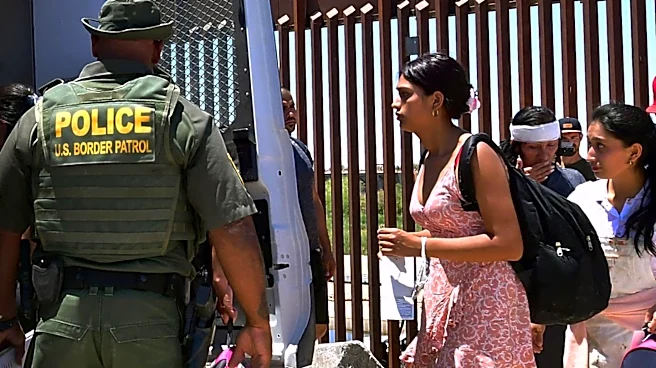
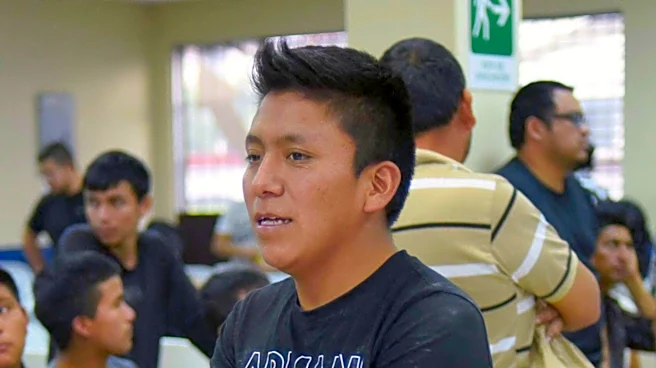
Keith P. Ellison's directive also prohibits Rojas Pliego from being transferred to an Immigration and Customs Enforcement (ICE) facility outside the Southern District of Texas without court approval. Rojas Pliego, a Mexican citizen residing in the U.S. since 1998, has no criminal record and is in a common-law marriage with a U.S. citizen. He has been in ICE custody since the incident on July 7. The petition for his release argues that he poses no flight risk or danger to the community. Similar petitions have been filed by the other two passengers in the van, Daniel Tirado Pantoja and Victor Hugo Salgado Araujo, who are also seeking release from ICE detention.
Why It's Important?
This case highlights significant issues surrounding immigration enforcement and the treatment of witnesses in federal investigations. The judge's decision to block the deportation of a key witness underscores the legal complexities and human rights considerations involved in immigration cases. The outcome of this case could influence future policies on how witnesses in federal cases are treated, particularly those involving immigration enforcement. It also raises questions about the balance between national security and individual rights, especially for those with longstanding ties to the U.S. The decision may impact public perception of ICE and its practices, potentially leading to calls for reform in how immigration cases are handled.
What's Next?
The legal proceedings will continue as the court reviews the petitions for the release of Rojas Pliego and the other passengers. The case may attract further attention from immigration advocacy groups and could prompt discussions on policy changes regarding the detention and deportation of witnesses in federal cases. The Department of Homeland Security and ICE will need to comply with the court's order while the case is pending, and any further legal developments could set precedents for similar cases in the future.