





What's Happening?
The U.S. State Department has revoked the green cards of three Iranian nationals, including Seyed Eissa Hashemi, whose mother was a prominent figure during the 1979 Iran hostage crisis. The revocation is part of a broader effort by the Trump administration
to prevent individuals with ties to anti-American regimes from residing in the U.S. Hashemi, along with his wife and son, had been granted lawful permanent resident status through the diversity visa program, which has since been terminated by the administration. This action follows similar revocations against individuals linked to the Iranian government, amidst ongoing tensions between the U.S. and Iran.
Why It's Important?
This development highlights the Trump administration's stringent immigration policies, particularly concerning individuals with perceived ties to hostile foreign governments. The revocation of green cards reflects broader geopolitical tensions between the U.S. and Iran, as well as the administration's focus on national security. The decision may impact U.S.-Iran relations and could influence the lives of Iranian nationals residing in the U.S. It also raises questions about the balance between national security and immigration rights, potentially affecting diplomatic efforts and international perceptions of U.S. immigration policies.
What's Next?
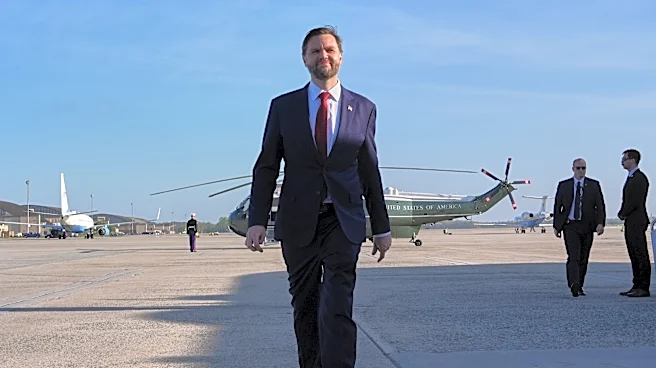
The revocation of green cards is likely to lead to legal challenges from those affected, as well as potential diplomatic repercussions. The U.S. and Iran are currently engaged in a ceasefire agreement, and ongoing negotiations may be influenced by these immigration actions. Vice President JD Vance is involved in brokering peace talks, which could be complicated by the current situation. The international community will be watching closely to see how these developments affect U.S.-Iran relations and the broader geopolitical landscape in the Middle East.