









What's Happening?
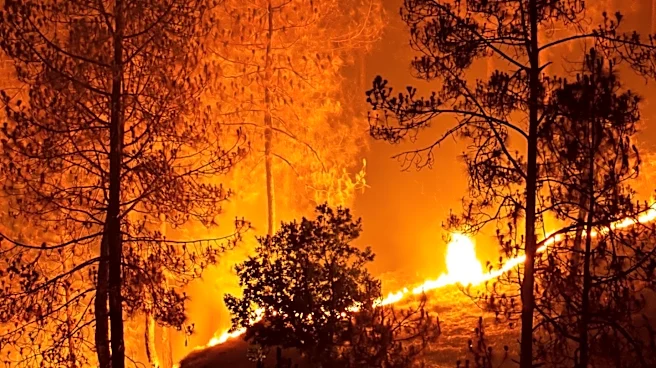
A new law in Colorado aims to provide relief to homeowners facing rising insurance rates due to wildfires. The legislation allows homeowners to lower their insurance premiums by meeting specific wildfire mitigation standards. This initiative is part of
a broader effort to address the increasing frequency and severity of wildfires in the state, which have significantly impacted insurance costs. By incentivizing homeowners to adopt mitigation measures, the law seeks to reduce the risk of wildfire damage and, consequently, the financial burden on both homeowners and insurance providers.
Why It's Important?
The introduction of this law is significant as it addresses the dual challenges of rising insurance costs and the growing threat of wildfires in Colorado. Homeowners stand to benefit from reduced insurance premiums, making it more affordable to protect their properties. Additionally, the law encourages proactive measures to mitigate wildfire risks, potentially decreasing the incidence and impact of such disasters. This approach not only supports individual homeowners but also contributes to broader community resilience against wildfires, which have become a pressing environmental and economic concern in the region.
What's Next?
As the law takes effect, homeowners in Colorado will need to assess their properties and implement the required mitigation measures to qualify for insurance relief. Insurance companies will likely develop new policies and guidelines to accommodate the changes. The success of this initiative could serve as a model for other states facing similar challenges, potentially leading to wider adoption of wildfire mitigation strategies across the country. Ongoing monitoring and evaluation will be essential to measure the law's impact on insurance rates and wildfire risk reduction.