

What's Happening?
The Marine Corps has engaged General Atomics Aeronautical Systems Inc. to assist in developing its Collaborative Combat Aircraft (CCA) program, a key component of its new aviation strategy. This collaboration follows the Air Force's selection of General Atomics nearly
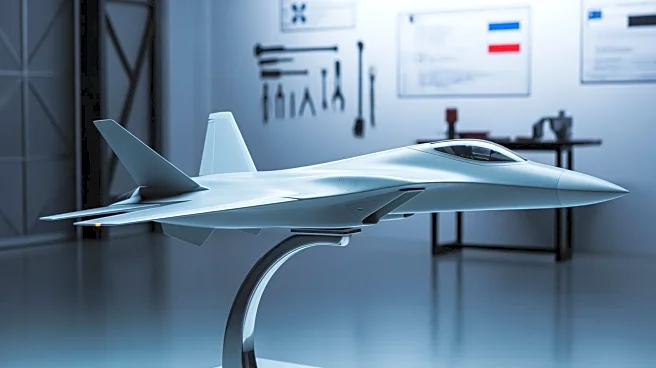
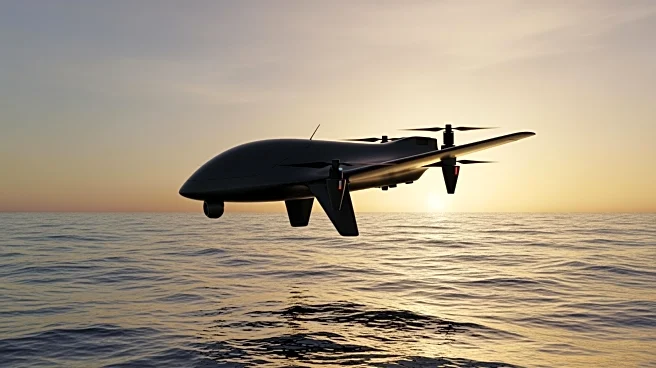
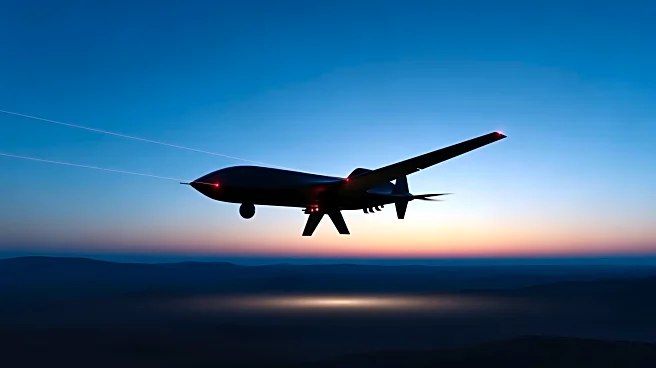
two years ago for its robot wingman concept. The Marine Corps will utilize the YFQ-42A drone as a testbed for CCA concepts and equipment. This initiative is part of the Marine Corps Air-Ground Task Force Uncrewed Expeditionary Tactical Aircraft (MUX TACAIR) program, which is a top priority in the 2026 Marine Aviation Plan. The CCA program aims to enhance the survivability and lethality of the Marine Corps' F-35B jets in various threat environments. Additionally, Northrop Grumman and Kratos have been selected to develop the CCA itself, with Northrop focusing on mission kits and open-architecture software for Kratos's VX-58 Valkyrie.
Why It's Important?
The collaboration between the Marine Corps and General Atomics signifies a strategic advancement in military aviation technology, particularly in the development of uncrewed aircraft systems. This initiative is crucial for enhancing the operational capabilities of the Marine Corps, especially in adapting to evolving threat environments. The integration of drones like the YFQ-42A into the Marine Corps' aviation plan could significantly improve the effectiveness of F-35B jets, thereby strengthening national defense capabilities. The funding allocated for the CCA program, including $58 million in the latest National Defense Authorization Act, underscores the importance of this technological advancement in maintaining military superiority.
What's Next?
The Marine Corps will continue to develop and test the CCA program, with General Atomics focusing on rapid development of autonomy for kinetic and non-kinetic effects in expeditionary operations. The successful maiden flight of the YFQ-42A in August 2025 validates the potential for rapid, modular, and cost-effective uncrewed fighter aircraft development. As the program progresses, further collaborations with companies like Northrop Grumman and Kratos will be essential in refining the technology and ensuring its integration into military operations. The Marine Corps will likely seek additional funding and legislative support to expand the capabilities of the CCA program.