



What's Happening?
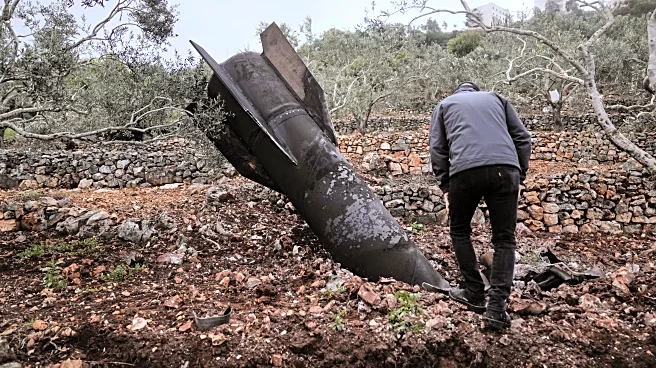
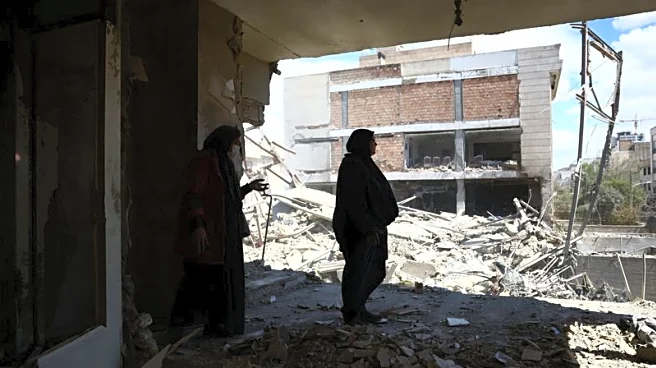
The ongoing conflict in Iran is causing significant shifts in European tourism patterns, as travelers from the UK and other regions opt for destinations closer to home. With direct flights to the Gulf nearly halted, British tourists are increasingly choosing
European locations like Portugal, the Balearic Islands, and the Canary Islands. This shift is driven by safety concerns and the desire for familiar, stable destinations. While some Mediterranean countries like Italy and Turkey face declines in tourism due to reduced visitors from Asia and the Middle East, others like Spain and Portugal are experiencing a surge in bookings.
Why It's Important?
The changes in tourism patterns highlight the broader economic impact of geopolitical conflicts on the travel industry. As travelers seek safer destinations, countries that can offer stability and familiarity stand to benefit economically. This shift could lead to increased revenue for European destinations that are able to attract tourists looking for alternatives to the Middle East. However, the situation also underscores the vulnerability of the tourism sector to global instability, as ongoing conflicts can lead to fluctuating demand and economic uncertainty.
What's Next?
Tourism-dependent countries in Europe may need to adapt their marketing strategies to capitalize on the increased interest from travelers seeking alternatives to the Middle East. This could involve promoting safety and stability as key selling points. Additionally, the industry may need to prepare for potential fluctuations in demand as geopolitical tensions continue to evolve. Countries experiencing declines in tourism may need to explore new markets or diversify their offerings to attract different segments of travelers.
Beyond the Headlines
The shift in tourism patterns also reflects broader societal trends, as travelers prioritize safety and familiarity in uncertain times. This could lead to long-term changes in travel behavior, with more people opting for domestic or regional trips rather than long-haul international travel. The situation also highlights the importance of resilience and adaptability in the tourism industry, as businesses and destinations must navigate the challenges posed by global instability.