







What's Happening?
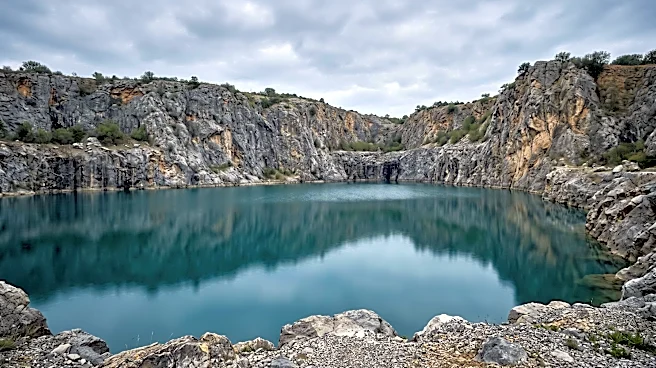
Fort Dickerson Park in Knoxville, Tennessee, remains closed after emergency crews conducted a search for a swimmer who reportedly jumped into Augusta Quarry and did not resurface on Thursday night. The Knox County Rescue Squad initiated a thorough search,
though the Knoxville Police Department (KPD) initially stated it was undetermined if the individual had exited the water. In an update, KPD confirmed that video evidence later revealed the man who jumped into the quarry had left the area late Thursday night after emergency crews had departed. Despite the swimmer being accounted for, Fort Dickerson Park will stay closed for the remainder of Friday. Augusta Quarry is a popular swimming spot that reopened last year after significant renovations, following a previous incident where a swimmer went missing and was never found. Another person also died in the quarry in April of this year.
Why It's Important?
The repeated incidents at Augusta Quarry, including the current search and previous fatalities, highlight significant public safety concerns surrounding popular natural recreational areas in the U.S. The decision to keep Fort Dickerson Park closed, even after the swimmer was found to have left the area, underscores the seriousness with which authorities are treating these safety issues. This situation brings attention to the challenges of managing public access to natural attractions while ensuring visitor safety, especially in areas with inherent risks like quarries. It also raises questions about the adequacy of existing safety measures, signage, and public awareness campaigns regarding the dangers of such locations. The ongoing closures and incidents could lead to further discussions about stricter regulations, increased surveillance, or enhanced safety infrastructure at similar sites nationwide, impacting local tourism and recreational policies.
What's Next?
The immediate next step is for authorities to determine when Fort Dickerson Park will reopen to the public. This decision will likely involve a review of the incident and an assessment of any necessary safety adjustments or communications. Given the history of incidents at Augusta Quarry, there may be increased scrutiny on park management and calls for enhanced safety protocols. This could include clearer warnings, increased patrols, or even temporary restrictions on swimming in the quarry. The community may also engage in discussions about responsible recreation and personal safety when visiting natural attractions. The outcome of these discussions and any subsequent actions taken by local authorities could influence how similar recreational sites are managed and regulated in the future, potentially setting precedents for public safety measures in natural parks across the U.S.
Beyond the Headlines
The recurring incidents at Augusta Quarry, despite renovations and previous tragedies, point to a deeper societal challenge: balancing the desire for recreational freedom with the imperative of public safety. This situation highlights the complex interplay between individual responsibility, community oversight, and environmental risks. The allure of natural swimming spots often comes with hidden dangers, and the human tendency to underestimate these risks can lead to tragic consequences. Ethically, there's a tension between providing access to natural beauty and protecting individuals from their own potentially risky behaviors. Legally, these incidents can lead to questions of liability for park operators and local governments. Culturally, it reflects a broader trend of seeking adventure in natural settings, which, while beneficial for well-being, requires a heightened awareness of inherent dangers and a commitment to safety from both individuals and authorities. This ongoing struggle to find the right balance will likely continue to shape policies for public access to natural recreational areas.