



What's Happening?
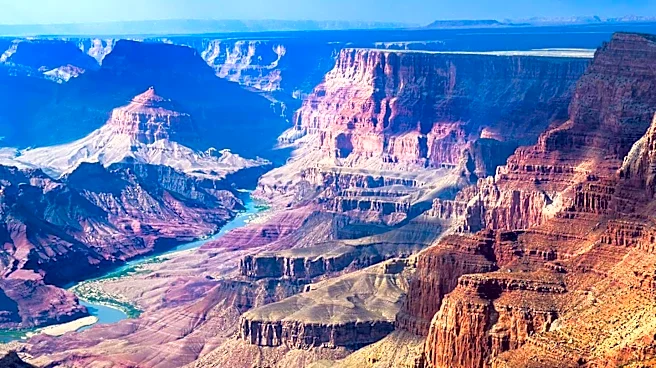
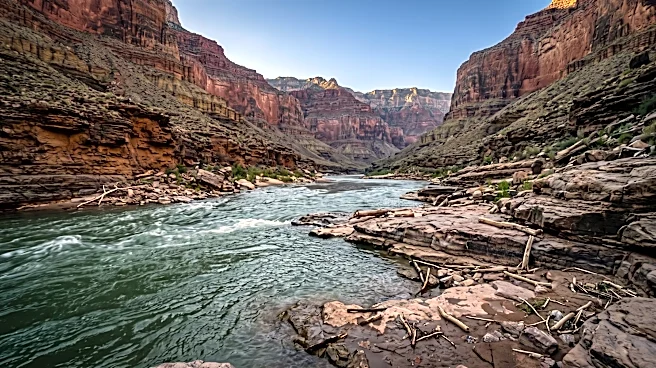
Human remains were found near the Crystal Rapid on the Colorado River within the Grand Canyon on Monday, more than two weeks after severe monsoon storms triggered flash flooding on August 29. The National Park Service (NPS) reported the discovery, and the remains have
been transferred to the Coconino County Medical Examiner’s Office. Authorities have not yet confirmed if the remains belong to 53-year-old Tim Smith, who has been missing since the floods. The August 29 flash floods in the Bright Angel Creek area resulted in two confirmed fatalities, 46-year-old John Guisti and 42-year-old Brent Rosenkranz, both from Granbury, Texas, whose bodies were recovered days after the initial event. The flooding, which occurred near the 2025 Dragon Bravo Fire burn scar, led to the rescue of 82 people, some by helicopter, from areas including Phantom Ranch and Cottonwood campgrounds. Despite rainfall totals of only 1 to 1.75 inches in the hardest-hit areas, the unique topography of the canyon caused significant issues, with gauges along the Colorado River spiking by as much as 9 feet. Several trails remain impassable, and the park is actively working to restore damaged campgrounds and infrastructure.
Why It's Important?
The discovery of human remains underscores the severe and lasting impact of flash floods in natural environments like the Grand Canyon. This event highlights the inherent dangers of extreme weather phenomena, even in seemingly moderate rainfall scenarios, particularly in areas with specific geographical vulnerabilities such as burn scars and narrow canyons. For the National Park Service, it emphasizes the ongoing challenges of ensuring visitor safety and managing recovery efforts in vast, rugged terrains susceptible to rapid environmental changes. The incident also brings to light the emotional toll on families awaiting news of missing loved ones, as the identification process continues. Furthermore, it serves as a critical reminder for visitors to exercise extreme caution and remain informed about weather advisories and trail conditions when exploring national parks, especially during monsoon seasons. The need for robust emergency response protocols and effective communication strategies in such remote and dynamic environments is paramount to mitigating loss of life and facilitating timely rescues.
What's Next?
The immediate next step involves the Coconino County Medical Examiner’s Office working to identify the human remains found and determine the cause of death. This process will be crucial for providing closure to the families of those still missing, particularly the family of Tim Smith. The National Park Service will continue its efforts to restore damaged infrastructure and trails within the Grand Canyon, aiming to reopen affected areas to the public once deemed safe. This will likely involve extensive assessment of trail stability, bridge repairs, and campground rehabilitation. Authorities will also likely review and potentially update their emergency response and visitor warning systems, especially concerning flash flood risks in areas prone to such events. Public advisories regarding safe practices in the Grand Canyon, particularly during monsoon seasons, are expected to be reinforced. Further updates on the investigation and recovery efforts will be provided as they become available.
Beyond the Headlines
The Grand Canyon flash floods and the subsequent discovery of human remains highlight a broader conversation about the increasing frequency and intensity of extreme weather events, potentially linked to climate change, and their impact on natural landscapes and human safety. The incident underscores the delicate balance between allowing public access to natural wonders and protecting visitors from inherent environmental hazards. It also brings into focus the psychological and logistical challenges faced by search and rescue teams operating in complex and dangerous terrains. The long-term implications for national park management may include enhanced geological and hydrological monitoring, more sophisticated early warning systems, and potentially stricter access regulations during periods of high risk. This event serves as a poignant reminder of nature's power and the critical importance of respecting environmental conditions, especially in vulnerable ecosystems, to prevent future tragedies.