






What's Happening?
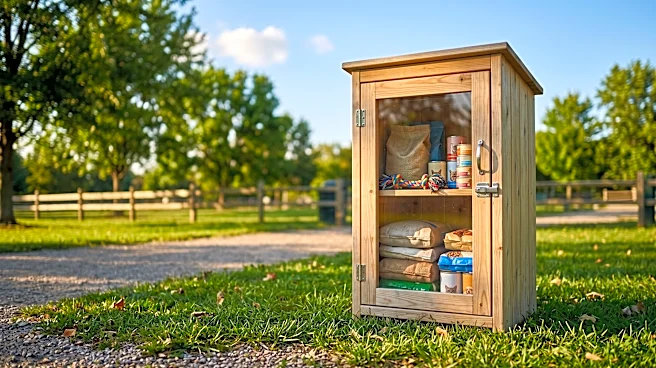
Girl Scout Troop 35579 in Portage, Indiana, has constructed and installed a pet pantry at Woodland Park dog park, utilizing a concept similar to Little Free Libraries. The initiative was undertaken by Heidi O’Bannion of Lake Station and Serenity Nelson
of Portage as part of their project to earn the Silver award, the second-highest honor in Girl Scouts. The idea for the pet pantry stemmed from troop leader Karen Naumann's observation that many people in the community struggle to afford pet food. The project, which began in 2024 with four girls, was completed by O’Bannion and Nelson after a temporary pause due to Naumann's cancer journey and two members leaving the troop. The girls researched various community project ideas, including bat boxes and bee houses, before settling on the pet pantry due to the clear community need. They obtained permission from Barb Lusco, the parks department’s maintenance director, to place the pantry at the dog park. The structure itself is made of plastic-coated wood to ensure durability against Northwest Indiana's weather, with Naumann's husband adding a latch for security. The troop stocked the pantry with pet food, treats, and toys for both dogs and cats, emphasizing that while it's located at a dog park, cats also deserve support.
Why It's Important?
This initiative addresses a critical need within the community by providing accessible pet food and supplies to families facing financial hardship. The rising cost of living can make it challenging for some pet owners to afford essential items for their animals, potentially leading to difficult decisions or neglect. By establishing a pet pantry, the Girl Scouts are offering a direct and tangible solution, helping to keep pets fed and cared for within their homes. This project also highlights the importance of community-led solutions to local problems, demonstrating how grassroots efforts can fill gaps in social services. Furthermore, it promotes responsible pet ownership and animal welfare, ensuring that pets in Portage and surrounding areas have access to necessary resources. The involvement of young people in identifying and solving community issues fosters civic engagement and empathy, setting a positive example for youth involvement in local welfare efforts. The project also serves as a model for other communities looking to support pet owners in need, showcasing a simple yet effective way to distribute aid.
What's Next?
The pet pantry is now operational and stocked, with troop leader Karen Naumann, who lives nearby and frequently visits the dog park, encouraging community members to contribute items. This ongoing community involvement will be crucial for the pantry's sustained success. The project's visibility at Woodland Park dog park may inspire other individuals or groups to establish similar initiatives in different locations or expand the current one. Mayor Austin Bonta has expressed enthusiasm for the project, indicating potential municipal support or recognition that could further amplify its impact. The Girl Scouts, having completed this project for their Silver award, may continue to be involved in its maintenance or seek new community service opportunities. The success of this pet pantry could also lead to discussions about broader strategies for addressing pet food insecurity in Portage and neighboring areas, potentially involving local animal shelters, food banks, or other non-profit organizations.
Beyond the Headlines
This project transcends a simple act of charity; it embodies the spirit of community self-reliance and mutual aid. In an era where economic pressures can strain household budgets, the pet pantry serves as a vital safety net, preventing pet owners from having to choose between feeding themselves and feeding their beloved animals. It also subtly challenges the perception that pet ownership is solely a private responsibility, highlighting the collective benefit of supporting animal welfare within a community. The Girl Scouts' initiative fosters a culture of giving and shared responsibility, demonstrating that even small-scale, localized efforts can have a significant positive impact. Moreover, it underscores the educational value of community service, teaching young people practical skills in project management, community engagement, and problem-solving, while instilling a deep sense of social responsibility. The pet pantry becomes a symbol of compassion and community solidarity, reinforcing the idea that a thriving community cares for all its members, including its animal companions.