






What's Happening?
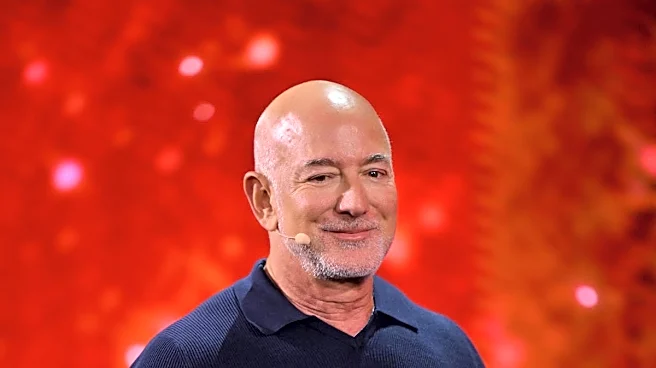
The Washington Post, owned by Amazon's Jeff Bezos, has faced criticism for its editorial stance against wealth taxes. The paper has published multiple opinion pieces opposing state and federal wealth taxes, which critics argue reflects the interests of
its billionaire owner. The Post's editorial direction has shifted to focus on 'personal liberties and free markets,' leading to the resignation of its Opinions Editor. The paper's coverage has sparked debate about media bias and the influence of wealthy owners on journalistic integrity.
Why It's Important?
This situation highlights the ongoing debate about media ownership and its impact on editorial independence. The Washington Post's stance on wealth taxes raises questions about the influence of billionaires on public discourse and policy debates. As wealth inequality continues to be a pressing issue, the role of media in shaping public opinion and policy becomes increasingly significant. The case underscores the need for transparency and accountability in media organizations, particularly those owned by influential figures.
Beyond the Headlines
The controversy also touches on broader themes of democracy and the role of media in society. The Washington Post's slogan, 'Democracy Dies in Darkness,' is called into question as critics argue that its coverage may prioritize the interests of the wealthy over democratic principles. This case serves as a reminder of the importance of diverse media voices and the potential consequences of concentrated media ownership on democratic processes.