



What's Happening?
The Marion Community Fire Department has significantly upgraded its firefighter training capabilities thanks to a $4,000 grant from Great Lakes Energy’s People Fund. This grant enabled the department to acquire a professional-grade smoke-generating machine
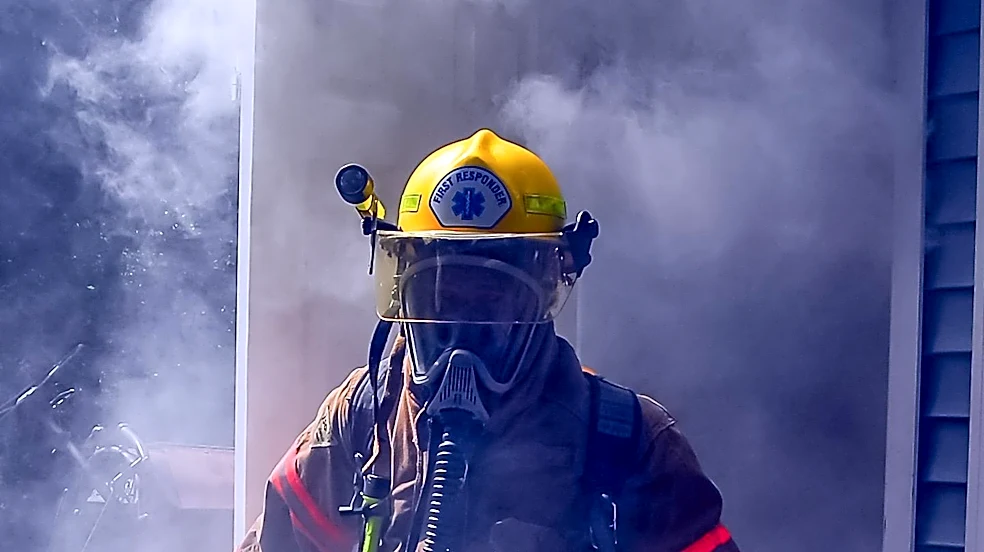
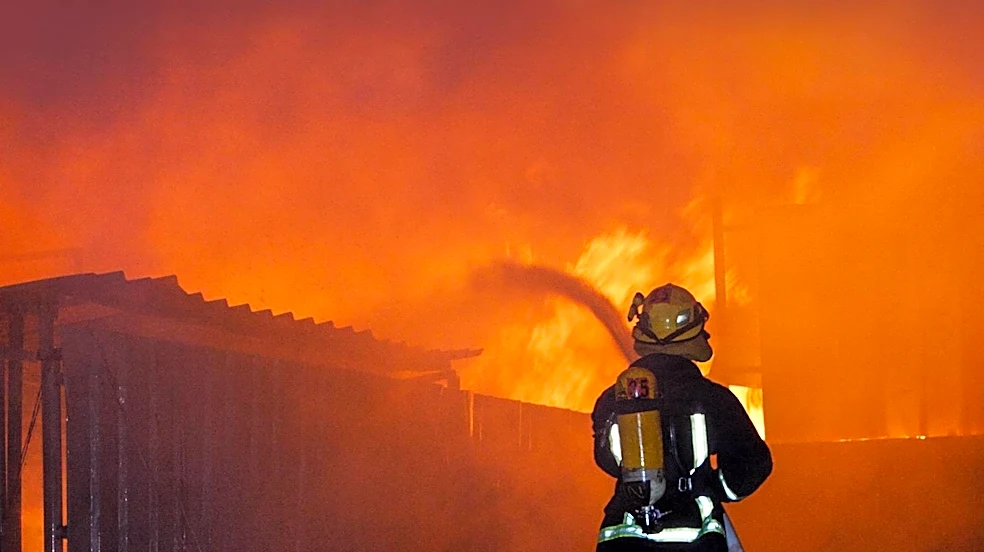
for its recently completed training facility. Assistant Fire Chief Bruce Tower spearheaded the training facility project, which was largely funded through years of community support and fundraising efforts, totaling approximately $60,000. The facility is designed to replicate various emergency scenarios, including kitchens, stairwells, and window openings. The new smoke machine produces dense, non-hazardous smoke that closely mimics conditions encountered during structure fires, allowing firefighters to train in highly realistic environments. This enhancement is crucial for preparing firefighters for situations where visibility is severely compromised, improving their ability to conduct search-and-rescue operations and utilize thermal imaging devices effectively.
Why It's Important?
This enhancement to the Marion Community Fire Department's training facility is vital for improving firefighter readiness and, consequently, community safety. Realistic training, particularly in low-visibility conditions, is critical for firefighters to develop the skills and confidence needed to operate effectively and safely during actual emergencies. The ability to simulate dense smoke allows for better practice in search-and-rescue, navigation in unfamiliar spaces, and the proper use of equipment like thermal imaging devices. This directly translates to more efficient and safer responses to structure fires, potentially saving lives and reducing property damage. Furthermore, the facility is intended to serve as a regional resource, offering advanced training opportunities to other fire departments, especially those in rural areas that often rely on mutual aid. This regional approach strengthens the overall emergency response network, benefiting a wider population and fostering inter-departmental collaboration and standardization of skills.
What's Next?
The Marion Community Fire Department's new training facility, now equipped with the professional-grade smoke generator, is expected to become a valuable regional asset. Assistant Fire Chief Bruce Tower anticipates that many surrounding departments will utilize the center to enhance their firefighters' skills. This will likely lead to increased joint training exercises, improving coordination and effectiveness during mutual aid incidents. The facility's specialized features, such as a third-story training platform for aerial ladder operations, will further support advanced training for various scenarios. Beyond immediate training benefits, the enhanced facility is also expected to aid in recruitment efforts for the Marion Community Fire Department by offering high-quality, accessible training close to home, potentially attracting new recruits to the fire service. The ongoing community support and grants, like the one from Great Lakes Energy, will continue to be crucial for maintaining and further developing such vital resources.
Beyond the Headlines
The Marion Community Fire Department's initiative highlights a broader trend in emergency services towards more realistic and immersive training methodologies. The investment in a smoke generator, while seemingly a simple piece of equipment, represents a commitment to bridging the gap between theoretical knowledge and practical application in high-stress environments. This approach not only enhances the technical skills of firefighters but also contributes to their psychological preparedness, reducing the cognitive load during actual emergencies. The community-driven nature of the training center's development, with significant fundraising and local business contributions, underscores the vital role of local support in sustaining essential public services. This model of community and grant-funded infrastructure development could serve as a blueprint for other small and rural departments looking to upgrade their capabilities, demonstrating how collective effort can overcome resource limitations to improve public safety outcomes.