



What's Happening?
The jury for the 2026 Venice Biennale has resigned just days before the exhibition's public opening on May 9. This decision follows the jury's controversial announcement on April 22 to exclude artists from countries accused of crimes against humanity
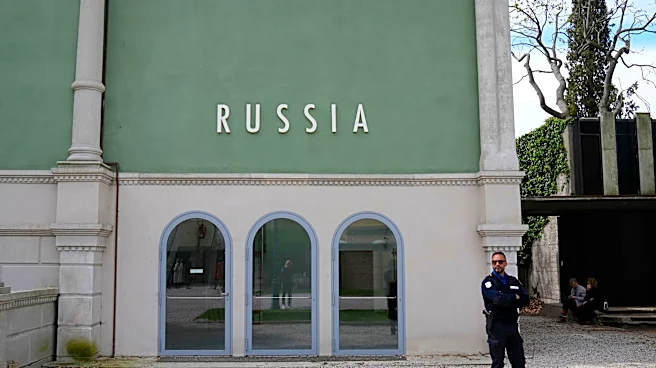
from being considered for awards. The jury's resignation has intensified the geopolitical tensions surrounding the event, which is one of the most prestigious in the art world. The Biennale has responded by postponing the awards ceremony from May to November and allowing visitors to vote for the best participants instead. The decision to exclude certain countries, notably Russia and Israel, has sparked significant debate and criticism, with accusations of cultural censorship being levied against the jury's initial decision.
Why It's Important?
The resignation of the Venice Biennale jury and the subsequent changes to the awards process highlight the intersection of art and politics on a global stage. The Biennale's decision to allow public voting instead of jury awards could democratize the event, but it also raises questions about the role of political considerations in artistic recognition. The exclusion of countries like Russia and Israel from award consideration reflects broader geopolitical tensions and could influence international cultural relations. This situation underscores the challenges faced by global art institutions in balancing artistic freedom with political realities, potentially affecting future participation and funding for such events.
What's Next?
The Venice Biennale's decision to allow public voting for awards may set a precedent for future exhibitions, potentially altering how art is judged and recognized on an international scale. The geopolitical implications of excluding certain countries could lead to further diplomatic discussions and impact future participation by these nations. Additionally, the Biennale's response to the jury's resignation and the subsequent changes to the awards process will likely be closely watched by other international art events, which may face similar challenges in navigating the complex relationship between art and politics.
Beyond the Headlines
The controversy surrounding the Venice Biennale highlights the ongoing debate about the role of art in political discourse. The decision to exclude certain countries from award consideration raises ethical questions about cultural boycotts and the potential for art to serve as a tool for political expression. This situation may prompt a reevaluation of how art institutions engage with geopolitical issues and the extent to which they should remain neutral or take a stand. The Biennale's approach to resolving this controversy could influence how other cultural events address similar challenges in the future.