





What's Happening?
The National Oceanic and Atmospheric Administration (NOAA) is actively recruiting a Supervisory Physical Scientist to lead the Systems Management Division within the Center for Atmospheric and Surface Observations (CASO) of the National Weather Service
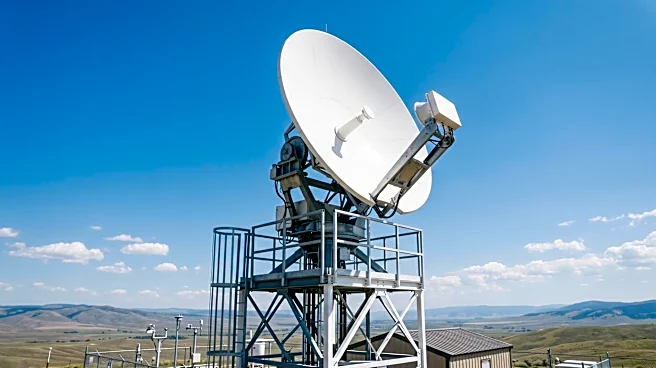
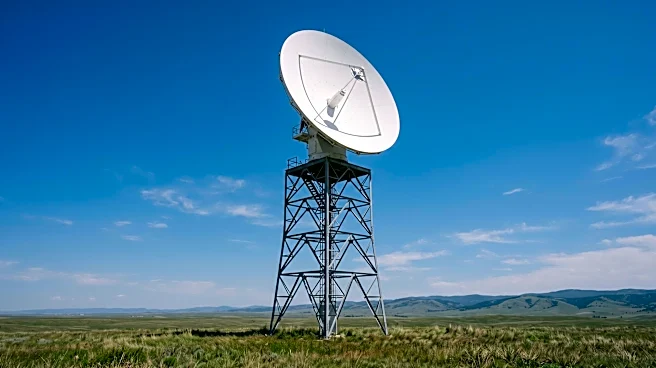
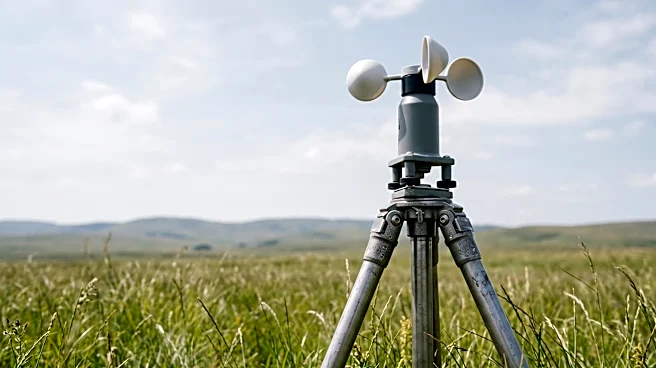
(NWS). This pivotal role involves comprehensive management and administration of the division, serving as the primary liaison for programmatic and operational support across various state, territory, and international operational systems and equipment utilized by the NWS. The selected individual will be responsible for providing leadership and program management throughout the life-cycle of systems within their purview, overseeing the acquisition and procurement of observational data critical to NWS operations. Additionally, the position requires ensuring the availability of Federal Acquisition Certification (FAC) certified Program Managers to support divisional programs and projects, and fulfilling program reporting responsibilities, including presentations, performance monitoring, and Office of Management and Budget (OMB) Exhibit 300s. The role also entails managing operational implementation, commissioning of new systems, enhancements to existing ones, and decommissioning of outdated systems, while maintaining performance measures for field system operations and data availability.
Why It's Important?
This recruitment is crucial for maintaining and advancing the operational capabilities of the National Weather Service, which plays a vital role in public safety and economic stability across the United States. The Supervisory Physical Scientist will directly influence the reliability and effectiveness of weather forecasting and warning systems, which are essential for mitigating the impact of severe weather events. By managing the life-cycle of observational systems and data acquisition, this position ensures that meteorologists have access to accurate and timely information, enabling them to issue critical alerts for events like tornadoes, flash floods, and hurricanes. The leadership in program management and resource allocation, including staff and budget, directly impacts the NWS's ability to innovate and adapt to evolving meteorological challenges. The role's focus on federal acquisition compliance and performance monitoring also ensures accountability and efficient use of taxpayer funds in supporting national weather infrastructure.
What's Next?
The application deadline for the Supervisory Physical Scientist position is November 25, 2026. Following the application period, NOAA will proceed with the selection process, which involves reviewing qualifications, conducting interviews, and ultimately appointing a candidate. Once filled, the new Supervisory Physical Scientist will assume leadership of the Systems Management Division, focusing on immediate priorities such as ongoing system enhancements, procurement initiatives, and staff development. The individual will also be tasked with ensuring seamless operational support for NWS systems and equipment, coordinating with regional, field, and headquarters units to address operational issues. The successful integration of this new leadership is expected to bolster the NWS's capacity to deliver accurate weather information and warnings, thereby enhancing public safety and preparedness for weather-related events across the nation.
Beyond the Headlines
The continuous investment in leadership roles like the Supervisory Physical Scientist underscores the critical importance of robust infrastructure and skilled personnel in national weather services. Beyond immediate operational improvements, this appointment reflects a broader commitment to scientific integrity and technological advancement within the federal government. The management of complex observational systems involves navigating rapid technological changes, cybersecurity threats, and the increasing demand for precise, localized weather data driven by climate change impacts. This role also highlights the interdisciplinary nature of modern meteorology, requiring expertise not only in physical science but also in program management, information technology, and federal acquisition regulations. The long-term implications include enhanced resilience against extreme weather, improved decision-making for various sectors such as agriculture, transportation, and energy, and the potential for groundbreaking research facilitated by advanced observational data.