





What's Happening?
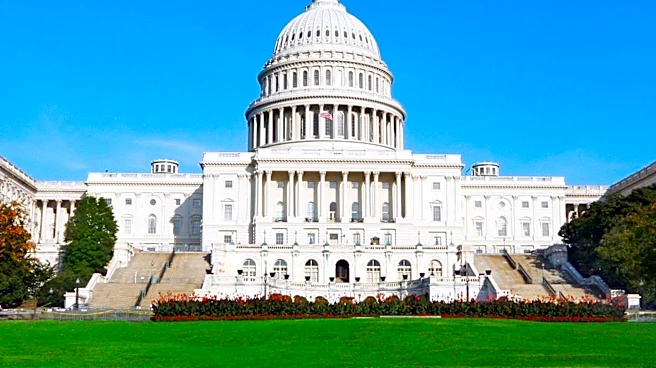
A bipartisan bill, the Beverage Regulatory Parity Act, has been introduced in the U.S. Congress by Representatives Beth Van Duyne (R-Texas) and Greg Landsman (D-Ohio). This proposal aims to establish specific regulations for hemp-derived THC beverages,
creating an exception to federal restrictions on intoxicating plant products. The bill suggests that adults aged 21 and over could purchase and consume hemp beverages containing up to 5 milligrams of total intoxicating THC per serving. It also proposes a three-tier distribution system, similar to the one used for alcoholic beverages, along with mechanisms for taxation and regulation. This legislative effort comes as the market for THC-infused beverages expands in the United States, drawing support from traditional alcohol retail and distribution representatives who seek a regulated framework for these products. The discussion is particularly timely given potential changes to the 2018 Farm Bill, which could significantly restrict the commercialization of intoxicating hemp derivatives, potentially removing many current THC beverages from the market.
Why It's Important?
This legislative initiative is crucial for several reasons, primarily impacting the U.S. beverage industry and regulatory landscape. By proposing a structured regulatory framework, the bill seeks to bring clarity and stability to the burgeoning market for hemp-derived THC beverages. Currently, these products operate in a legal gray area, which poses challenges for both producers and consumers. The involvement of traditional alcohol industry stakeholders, such as the Wine & Spirits Wholesalers of America (WSWA), signifies a broader acceptance and a desire to integrate THC beverages into an established adult-use market. This integration could lead to increased revenue streams for distributors and retailers, while also ensuring product safety and responsible consumption through age verification and dosage limits. Conversely, without such regulation, the industry faces uncertainty, with potential federal restrictions threatening to eliminate a significant portion of existing THC beverage products. The bill's success could set a precedent for how other cannabis-derived products are regulated, influencing future market developments and consumer access.
What's Next?
The Beverage Regulatory Parity Act is currently under discussion in Congress. The Senate has already advanced a measure to delay the implementation of new restrictions on hemp derivatives, extending the timeframe for lawmakers to deliberate on alternative regulatory solutions. However, this postponement still requires further legislative process and reconciliation with the House of Representatives. The ongoing debate will determine the specific rules governing the distribution, sale, taxation, and age-restricted access for THC-containing beverages. Various proposals are being considered in Congress, addressing aspects such as manufacturing standards, laboratory testing, labeling requirements, and commercial controls. The outcome of these discussions will be critical in shaping the future of the THC beverage market in the U.S., dictating whether these products will operate under a distinct regulatory structure, potentially modeled after the alcohol industry, or face significant federal limitations.
Beyond the Headlines
The push for federal regulation of THC-containing beverages extends beyond immediate market concerns, touching upon broader ethical and economic implications. The integration of hemp-derived THC products into a regulated adult beverage market could normalize cannabis consumption in a new form, potentially shifting public perception and reducing stigma associated with cannabis. This move also highlights the evolving relationship between the traditional alcohol industry and the emerging cannabis sector, suggesting a future where these industries may increasingly converge or compete. Furthermore, the debate over dosage limits and age restrictions underscores a societal effort to balance economic opportunity with public health and safety, particularly concerning intoxicating substances. The establishment of a clear regulatory framework could also foster innovation within the beverage industry, leading to a wider variety of products and potentially new consumption patterns. The long-term impact could include a re-evaluation of federal cannabis policies, as the success of regulating hemp-derived THC beverages might pave the way for broader cannabis reform.