


What's Happening?
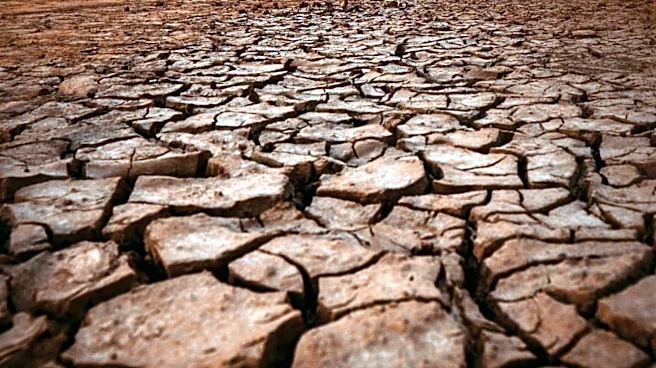
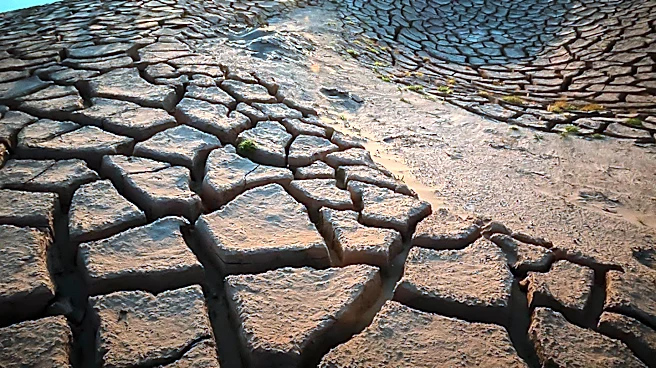
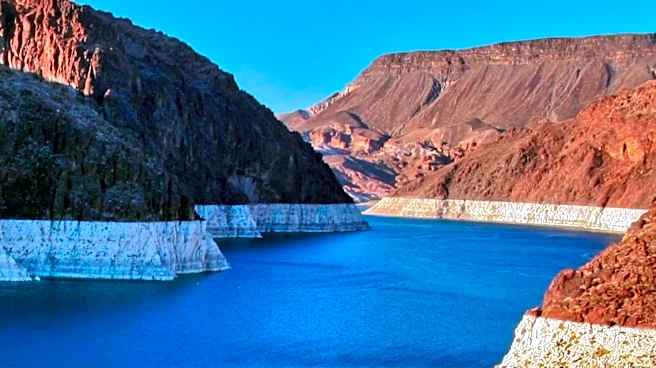
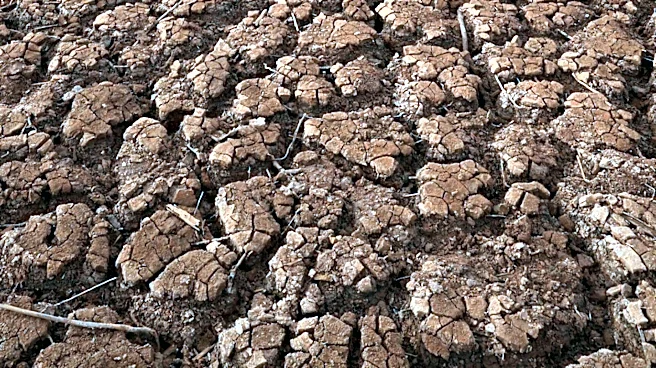
Thames Water has announced a hosepipe ban affecting over 10 million customers in London and the Thames Valley as England and Wales approach drought status. This decision follows a period of exceptionally dry weather, including three heatwaves and the driest
spring on record. The National Drought Group has identified eight areas in England experiencing prolonged dry weather, a precursor to drought. Despite a wet winter, water supplies are severely depleted, with demand in the Thames region 10% higher than normal. The ban aims to protect water supplies and the environment, with other water companies in the region also imposing similar restrictions.
Why It's Important?
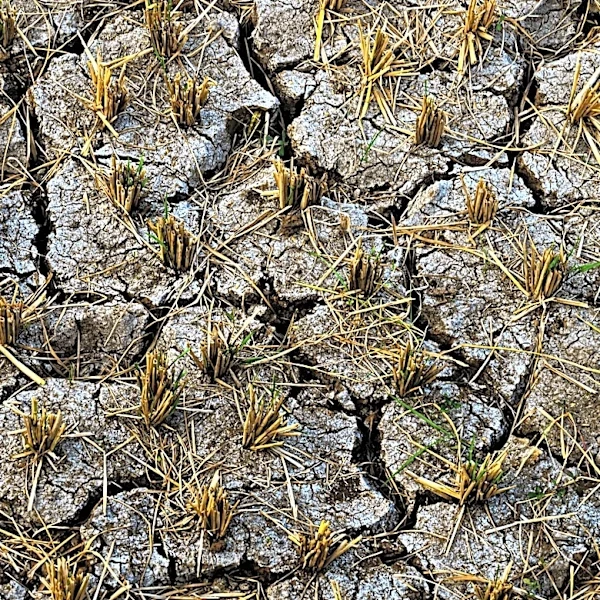
The hosepipe ban highlights the growing impact of climate change on water resources in England and Wales. With water demand increasing and supply decreasing, the ban is a necessary measure to ensure sustainable water management. The drought conditions not only affect water companies but also have severe implications for agriculture and food production, as crops ripen early and wildfires become more frequent. This situation underscores the need for long-term strategies to address climate extremes and their effects on the environment and economy.
What's Next?
Thames Water's ban officially begins on Thursday, with customers encouraged to reduce usage immediately. The National Drought Group will continue monitoring the situation, potentially expanding restrictions if conditions worsen. Farmers and environmental groups may push for more comprehensive water management policies to mitigate future droughts. The government may face pressure to invest in infrastructure improvements and conservation initiatives to better handle climate-related challenges.
Beyond the Headlines
The drought situation raises ethical and environmental concerns about resource allocation and the impact of climate change on vulnerable communities. As water scarcity becomes more common, debates over equitable access and sustainable practices will intensify. The need for innovative solutions, such as improved irrigation techniques and water recycling, will become increasingly urgent to balance human needs with environmental preservation.