






What's Happening?
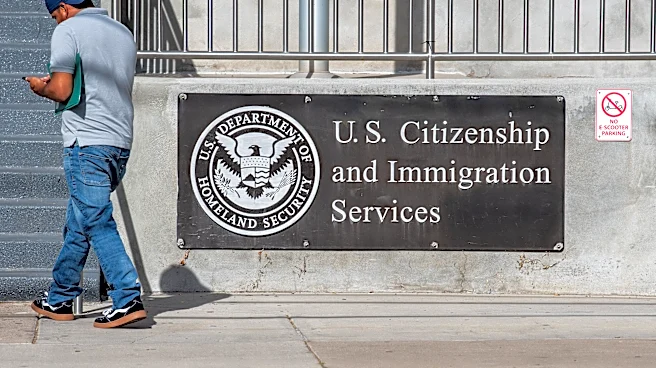
U.S. District Judge Dennis Saylor has issued a ruling vacating the entire 'Elimination of D/S Rule,' which aimed to establish fixed time periods of admission and new extension of stay procedures for nonimmigrant academic students, exchange visitors, and foreign
information media representatives. The ruling, delivered on November 16, 2026, means that the implementation of all provisions of the new rule, including the adoption of fixed expiration dates on I-94 records and restrictions on F-1 student academic mobility, will remain paused. This decision follows a preliminary injunction issued by the court on September 14, 2026, which postponed the rule's effective date. The court found that the U.S. Department of Homeland Security (DHS) likely violated the Administrative Procedure Act (APA) by failing to adequately weigh costs and benefits, providing insufficient rationales (fraud and national security), not considering less burdensome alternatives, and failing to respond to significant public comments. DHS has appealed the preliminary injunction to the United States Court of Appeals for the First Circuit.
Why It's Important?
This ruling is highly significant for international students, exchange visitors, and academic institutions across the United States. The 'Elimination of D/S Rule' would have fundamentally altered the duration of status (D/S) system, which currently allows these nonimmigrants to remain in the U.S. for the duration of their academic program or authorized activity. A fixed expiration date on I-94 records would have introduced new complexities, requiring more frequent extensions and potentially creating uncertainty for individuals pursuing multi-year degrees or research. The vacating of the rule provides a temporary reprieve, maintaining the existing D/S system and preventing immediate disruptions to academic planning and student mobility. For universities, this means avoiding significant administrative burdens associated with tracking fixed end dates and assisting students with more frequent status adjustments. The court's emphasis on DHS's procedural failures also underscores the importance of administrative due process and thorough justification for policy changes affecting large populations.
What's Next?
While the rule has been vacated, the U.S. Department of Homeland Security is expected to appeal this summary judgment ruling. This means the legal battle over the 'Elimination of D/S Rule' is likely to continue, potentially for an extended period. Until a final resolution is reached through the appeals process or further legal action, the provisions of the vacated rule will not be implemented, and the existing 'duration of status' policy will remain in effect for affected nonimmigrants. International students and scholars should continue to monitor updates from their university international student offices and official government sources. The outcome of the appeal will determine the long-term framework for how nonimmigrant academic students and exchange visitors maintain their legal status in the U.S., potentially leading to either the permanent demise of the rule or its eventual implementation after further legal review.
Beyond the Headlines
The legal challenge and subsequent vacating of the 'Elimination of D/S Rule' highlight broader tensions between national security concerns and the operational realities of international education and cultural exchange. The rule was ostensibly aimed at addressing issues of fraud and national security, but its critics argued it would create undue burdens and uncertainty for legitimate students and scholars, potentially deterring international talent from choosing the U.S. The court's decision to vacate the rule based on procedural flaws rather than the underlying policy intent itself points to the critical role of administrative law in ensuring that government agencies follow proper procedures when enacting significant policy changes. This case also reflects the ongoing debate about the balance between immigration enforcement and facilitating the flow of international students and researchers, who contribute significantly to the U.S. economy and academic landscape.