




What's Happening?
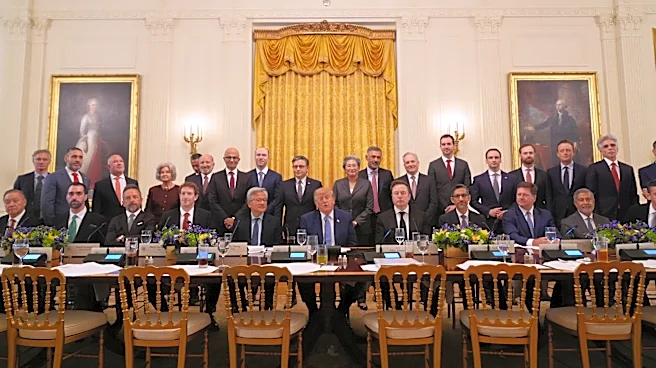
Leaders from major tech companies, including Google, OpenAI, Anthropic, Meta, xAI, and Nvidia, signed the White House Accord on Super Intelligence on September 29. This accord includes a commitment to engage independent outside auditors to verify the effectiveness
of their artificial intelligence safety controls. While these commitments are currently voluntary, there is a possibility they could be codified into law. However, a significant concern highlighted by an auditor with over 25 years of experience is the absence of clear rules governing these independent audits. The accord does not define what constitutes an 'independent' auditor, the extent of access auditors should have, or the standards against which they should measure AI systems. This lack of defined parameters means that two companies could claim to have passed an independent audit, yet the rigor and scope of those audits could differ significantly, potentially undermining public trust and the credibility of the audit process.
Why It's Important?
The lack of specific guidelines for AI audits under the White House Accord poses a substantial risk to the integrity and public perception of AI safety. Without clear definitions for auditor independence, access, and measurement standards, the 'independent audit' commitment could become a mere formality, allowing companies to select auditors who may not provide truly objective assessments. This situation could lead to a 'race to the bottom' where less rigorous audits are favored, potentially compromising the safety and ethical development of powerful AI systems. For the public, it means a diminished ability to trust claims of AI safety, as the underlying verification process lacks transparency and consistent standards. For the auditing industry, it creates an uneven playing field, potentially disadvantaging firms that adhere to higher standards of independence and expertise. The precedent of past accounting scandals, which led to the creation of the Public Company Accounting Oversight Board, underscores the necessity of robust regulatory frameworks to ensure credible oversight and protect public interest.
What's Next?
Policymakers face the immediate challenge of establishing clear and enforceable rules for AI auditors before companies begin naming their chosen firms. If these rules are not set promptly, the market will likely establish its own, potentially less stringent, definitions of 'independent' auditing. Should Congress later decide to legislate the accord's commitments, it would then inherit whatever market-driven definitions have already taken root. Existing groundwork, such as international standards for AI auditing and state-level initiatives like Connecticut's pilot program for approving AI verification organizations, could serve as valuable models. The ongoing discussions in states like California regarding AI auditor standards also provide a blueprint for federal action. The critical next step involves policymakers defining who is qualified to conduct these audits, the scope of their access, and the standards they must uphold, ensuring that the third layer of the accord's structure—the outside audit—is robust and credible.
Beyond the Headlines
The debate over AI audit rules extends beyond mere technicalities, touching upon fundamental questions of accountability, trust, and the future governance of advanced technology. The tension between fostering innovation through voluntary commitments and ensuring public safety through regulation is evident. While some argue that rigid rules could stifle the rapidly evolving field of AI, the counter-argument emphasizes that rules concerning auditor independence and competence are distinct from the methods of AI testing, which can continue to evolve. This situation highlights a broader societal challenge: how to regulate emerging technologies effectively without impeding their development. The outcome of this policy vacuum will not only shape the AI industry but also set a precedent for how future technological advancements are overseen, potentially influencing public confidence in technological progress and the role of government in safeguarding societal interests.