




What's Happening?
The U.S. Food & Drug Administration (FDA) announced 34 recalls for food and beverage products in August, marking the second-highest number of recalls for the year. This total also included four pet food products, one drug, and one cosmetic product. A significant
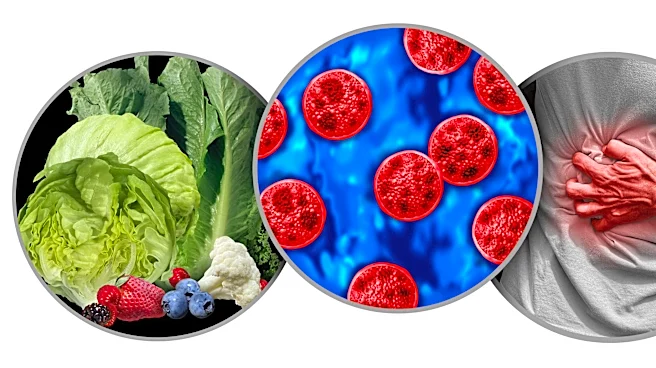
portion of these recalls, 13 products, were due to potential Salmonella contamination. Notably, jalapeño peppers were a primary concern, with the FDA issuing a public health alert mid-month regarding products containing jalapeños potentially sourced from a grower in Sinaloa, Mexico, linked to a Salmonella outbreak across 32 states. Other reasons for recalls included potential Listeria monocytogenes and E. coli contamination, undeclared allergens such as milk and egg, presence of metal or glass, and packaging defects. Additionally, a weight loss supplement, Lipofit Extreme 2.0 Fat Burner, was recalled for containing undeclared toxic substances, fluoxetine and 2,4-dinitrophenol, which pose serious health risks. The August recall figures significantly surpassed July's 13 recalls in the food and beverage sector.
Why It's Important?
These widespread recalls underscore persistent challenges in food safety and supply chain oversight within the U.S. The high number of recalls, particularly those related to Salmonella in widely consumed produce like jalapeño peppers, highlights potential vulnerabilities in agricultural sourcing and distribution networks. Consumers face direct health risks from contaminated products, ranging from gastrointestinal illness to more severe complications, especially for vulnerable populations. For businesses, recalls lead to substantial financial losses from product removal, disposal, brand damage, and potential legal liabilities. The recall of a dietary supplement containing undeclared toxic substances also raises concerns about the regulation and oversight of the supplement industry, where products can enter the market without rigorous pre-market approval, posing significant dangers to public health. The FDA's actions are crucial for protecting consumers, but the frequency of these incidents indicates systemic issues that require ongoing vigilance and potential improvements in food safety protocols.
What's Next?
Following these recalls, consumers should remain vigilant and check FDA advisories for updated lists of affected products. Retailers and distributors are expected to continue removing recalled items from shelves and supply chains. The FDA will likely continue its investigations into the sources of contamination, particularly regarding the jalapeño peppers from Mexico, which could lead to further recalls or import restrictions. For the dietary supplement industry, this incident may prompt increased scrutiny from regulatory bodies and calls for stricter enforcement of labeling and ingredient disclosure requirements. Manufacturers of recalled products will face the immediate task of addressing the root causes of contamination or defects, which may involve reviewing their quality control processes, supplier vetting, and manufacturing practices. Public health agencies in affected states will continue to monitor for new cases of foodborne illnesses related to these outbreaks, providing further data that could inform future regulatory actions.
Beyond the Headlines
The recurring nature of large-scale food recalls, especially those linked to imported produce, points to broader implications for global food supply chains and international trade agreements. The reliance on international suppliers for a significant portion of U.S. food consumption introduces complexities in oversight and enforcement of safety standards. This situation could reignite debates about the effectiveness of current import inspection regimes and the need for more robust international cooperation on food safety. Furthermore, the discovery of undeclared pharmaceutical ingredients in dietary supplements highlights a persistent regulatory gap, where products marketed as 'natural' or 'health' supplements can bypass the stringent approval processes required for prescription drugs, potentially exposing consumers to dangerous, unapproved substances. This ongoing challenge could lead to legislative efforts to grant the FDA more authority over dietary supplement manufacturing and marketing, aiming to prevent future incidents and better protect public health.