




What's Happening?
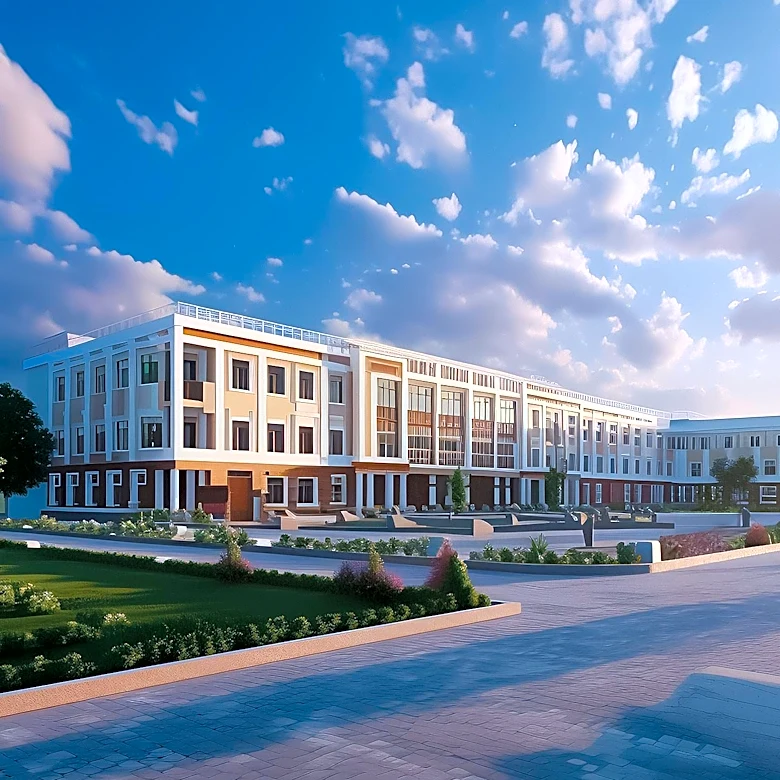
A new state-of-the-art Diman Regional Vocational Technical High School has officially opened in Fall River, Massachusetts, with a ribbon-cutting ceremony held on Friday. State and local leaders gathered to celebrate the completion of the new facility,
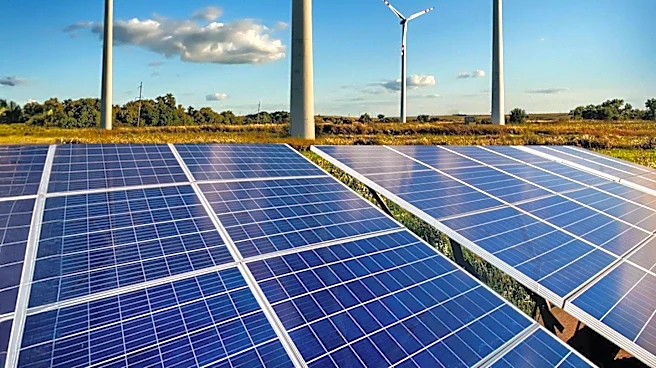
which is designed to provide a modern learning environment for over 1,400 students. Classes at the new school are scheduled to begin on September 3. The new Diman offers 18 diverse vocational technical programs, including medical assisting, facilities maintenance management, and plumbing. Superintendent-Director Brian S. Bentley emphasized that the new building represents an investment in the future of vocational education, aiming to equip students with the skills necessary for the economy. Students were actively involved in the development of the new school, from the initial vision and design stages through construction, contributing to features like a dedicated space for hands-on solar panel experience.
Why It's Important?
The opening of the new Diman Regional Vocational Technical High School is a significant development for vocational education in Massachusetts and the broader South Coast region. This investment in modern facilities and diverse technical programs directly addresses the growing demand for skilled trades and technical professionals in the U.S. economy. By providing students with up-to-date training in fields like medical assisting and plumbing, the school is preparing a workforce that can meet current industry standards and future economic needs. This initiative helps bridge the skills gap, offering pathways to well-paying careers for young people who may not pursue traditional four-year college degrees. State Senator Michael J. Rodrigues highlighted that the school is not only training future engineers and electricians but also fostering future community leaders, underscoring the broader societal impact of robust vocational education.
What's Next?
With classes set to commence on September 3, the immediate next step is the full operational launch of the new Diman Regional Vocational Technical High School. This will involve students and faculty adapting to the new facilities and utilizing the enhanced learning environments. The school will likely focus on integrating its 18 vocational programs with the new technology and expanded spaces, including the hands-on solar panel training area. Over time, the success of the new school will be measured by student outcomes, such as graduation rates, job placement in skilled trades, and further education enrollment. The investment in this facility could also serve as a model for other regions looking to modernize and expand their vocational education offerings, potentially influencing future state-level funding and policy decisions regarding technical schools.
Beyond the Headlines
The opening of the new Diman Regional Vocational Technical High School reflects a broader national trend towards recognizing and investing in vocational and technical education as a vital component of economic development and workforce preparation. In an era where the value of traditional college degrees is increasingly debated, vocational schools offer practical, career-focused training that can lead directly to employment. This shift in educational focus can help address economic inequalities by providing accessible pathways to skilled jobs for a wider range of students. Furthermore, the emphasis on student involvement in the design process suggests a progressive approach to education, empowering students and ensuring that the learning environment is tailored to their needs and aspirations. This model could foster greater student engagement and ownership, leading to more effective learning outcomes and a stronger sense of community within the school.