








What's Happening?
Logan Paul has outlined his approach to managing online controversies, a strategy he has developed over a decade of public scrutiny. He asserts that most internet drama has a short lifespan, typically around 36 hours, after which public interest wanes.
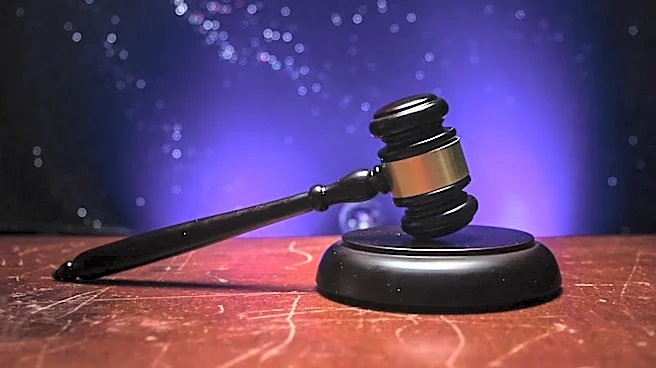
His primary tactic for these transient issues is to remain silent, as he believes responding only prolongs the news cycle. Paul stated on his 'Impaulsive' podcast that engaging with criticism or negative opinions effectively 'resets the clock' on a controversy, giving it renewed attention. He distinguishes between mere opinions and potentially damaging, untrue allegations. For the latter, particularly those that could harm his reputation or businesses, Paul indicated he takes a more serious stance, often involving legal action. He cited past claims regarding his Prime brand and PFAS as an example where he felt compelled to fight back, even if it meant significant legal expenses, reportedly exceeding $10 million over the years. Paul emphasized that he is comfortable pursuing lawsuits when he believes false information is being spread, viewing the legal system as a venue where truth can have consequences.
Why It's Important?
Logan Paul's articulated strategy for navigating online controversies offers insight into how high-profile public figures, particularly those who have grown up in the digital age, manage their public image and brand in an era of rapid information dissemination and constant scrutiny. His distinction between ignoring opinions and legally challenging factual inaccuracies highlights a growing trend where individuals and brands are increasingly willing to use legal avenues to combat what they perceive as defamation or harmful misinformation. This approach can influence how other public figures and businesses handle their own online reputations, potentially leading to more aggressive legal responses to online criticism. The significant financial investment Paul claims to have made in legal battles underscores the high stakes involved in maintaining a public image and protecting business interests in the digital sphere. This also raises questions about the balance between free speech and the potential for legal intimidation, as well as the evolving nature of accountability in online discourse.
What's Next?
Paul's continued adherence to this strategy suggests that future online controversies involving him will likely be met with either silence or, in cases of perceived factual misrepresentation, swift legal action. He explicitly stated that he is currently preparing another lawsuit, though he did not disclose the specifics. This indicates a proactive and aggressive stance against what he deems false and damaging claims. The effectiveness of this strategy in the long term will depend on public perception, the outcomes of his legal challenges, and the evolving landscape of online media and legal precedents. Other public figures and brands may observe Paul's approach to inform their own strategies for managing online reputation. The ongoing tension between the rapid, often unfiltered nature of online discourse and the more deliberate, evidence-based process of legal proceedings will continue to be a significant aspect of public life for individuals like Paul.
Beyond the Headlines
The strategy employed by Logan Paul reflects a broader societal shift in how individuals and entities contend with the pervasive nature of online information and misinformation. His willingness to spend substantial amounts on legal fees to defend against what he considers false claims underscores a growing reliance on legal frameworks to address issues that traditionally might have been handled through public relations or direct engagement. This trend could lead to a more litigious online environment, where the line between opinion and actionable defamation becomes increasingly blurred and contested. Furthermore, Paul's observation about the 36-hour news cycle highlights the ephemeral nature of online attention, suggesting that for many public figures, simply outwaiting a controversy can be an effective tactic. However, this also raises ethical questions about accountability and whether a strategy of silence, while effective for managing personal brand, might inadvertently allow misinformation to persist unchallenged in the public consciousness, impacting broader societal understanding of truth and fact.