


What's Happening?
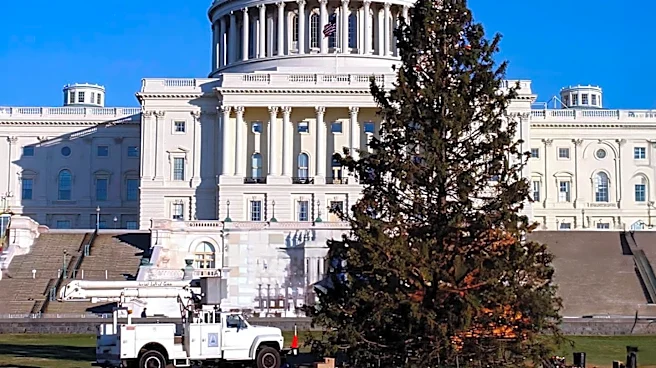
On September 28, Congressman Raul Ruiz, M.D. (CA-25), alongside Congresswoman María Elvira Salazar (FL-27), introduced a bipartisan resolution to designate October 1st as National Latino and Latina Physician Day. This initiative aims to recognize the
contributions of Latino and Latina physicians and address the significant underrepresentation of this demographic in the medical field. Currently, Latinos constitute nearly one in five Americans, yet only 6.7 percent of U.S. physicians are Latino or Latina, with Latinas making up just 2.8 percent. Projections indicate that by 2050, Latinos will represent over one-quarter of the U.S. population and one-third of all children. The resolution highlights that patient care and outcomes improve when patients share the language and culture of their doctors. The Association of American Medical Colleges (AAMC) and the National Hispanic Medical Association have expressed support for this resolution, emphasizing the need to increase access to medical careers for future Latino and Latina physicians, especially given the anticipated national physician shortage of up to 86,000 by 2036.
Why It's Important?
This resolution is important for several reasons, primarily addressing healthcare disparities and workforce shortages in the United States. The underrepresentation of Latino and Latina physicians contributes to a lack of culturally and linguistically competent care for a rapidly growing segment of the U.S. population. Research indicates that shared language and cultural understanding between patients and doctors lead to improved health outcomes. By recognizing and promoting Latino and Latina physicians, the resolution seeks to encourage more individuals from these communities to pursue medical careers, thereby helping to close the existing care gaps. This is particularly critical as the nation faces a projected shortage of physicians, and the Latino population is expected to grow substantially. Increasing diversity in the medical field can enhance trust in healthcare services within Latino communities, as noted by Representative Salazar, who stated that physicians who understand and reflect their community are essential for building trust. The support from major medical organizations like the AAMC and the National Hispanic Medical Association underscores the professional recognition of this issue and the potential positive impact of the resolution on public health and medical workforce development.
What's Next?
The bipartisan resolution, H.Res. 1589, will now proceed through the legislative process in Congress. The immediate next step involves gaining further support from lawmakers to advance the resolution. If passed, the designation of October 1st as National Latino and Latina Physician Day would serve as an annual recognition, potentially leading to increased awareness and initiatives aimed at diversifying the medical profession. This could include educational programs, scholarships, and mentorship opportunities designed to attract and support Latino and Latina students in pursuing medical careers. Stakeholders such as medical schools, professional organizations, and community groups are likely to leverage this designation to advocate for policies that facilitate greater representation. The resolution also sets a precedent for future legislative efforts focused on addressing healthcare workforce diversity and cultural competency. Continued advocacy from Congressman Ruiz, Congresswoman Salazar, and supporting organizations will be crucial in ensuring the resolution's impact extends beyond symbolic recognition to tangible improvements in healthcare access and equity.
Beyond the Headlines
Beyond its immediate legislative aim, this resolution touches upon deeper societal and ethical considerations regarding equity and access in healthcare. The persistent underrepresentation of Latino and Latina physicians reflects systemic barriers that have historically limited opportunities for minority groups in professional fields. Addressing this disparity is not merely about increasing numbers but about fostering a healthcare system that is more inclusive and responsive to the diverse needs of the U.S. population. The emphasis on shared language and culture highlights the critical role of cultural competence in effective medical care, suggesting that healthcare is not solely a scientific endeavor but also a deeply human one. Furthermore, the resolution implicitly challenges the medical education system to re-evaluate its recruitment and retention strategies to ensure they are equitable and effective in cultivating a diverse physician workforce. This initiative could inspire similar efforts to promote representation for other underrepresented groups in healthcare, ultimately contributing to a more just and effective national health infrastructure. It also underscores the long-term economic benefits of a healthier, more engaged population, as improved health outcomes can lead to greater productivity and reduced healthcare costs.