






What's Happening?
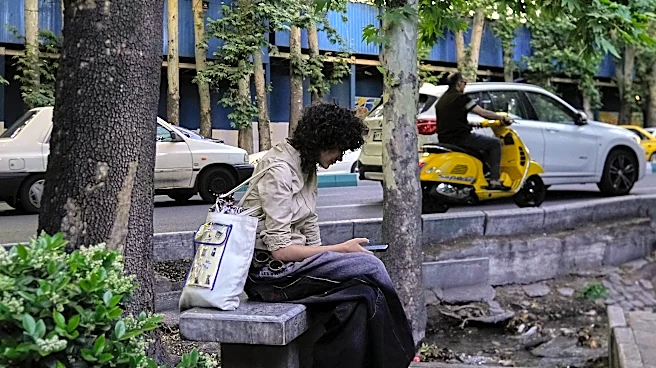
Iran has partially restored internet access after a prolonged shutdown that began during nationwide protests in January. The government had justified the blackout as a military necessity following attacks by the United States and Israel. Although connectivity
has resumed, it remains limited, with popular apps like YouTube and Instagram still heavily restricted. The shutdown severely impacted the Iranian economy, disrupting online businesses and communication. While some services are returning, many Iranians remain concerned about the potential for future outages.
Why It's Important?
The internet shutdown in Iran highlights the significant impact of digital connectivity on modern economies and societies. The prolonged blackout not only disrupted daily life but also exacerbated economic challenges, particularly for those reliant on online platforms for income. The situation underscores the vulnerability of digital infrastructure in conflict zones and raises questions about the balance between national security and citizens' rights to information and communication. The restoration of internet access, albeit limited, is a critical step towards economic recovery and social stability in Iran.
What's Next?
As Iran negotiates a more permanent truce, the future of internet access remains uncertain. The government may continue to impose restrictions as a means of control, affecting the country's digital landscape and economic prospects. International observers and human rights organizations are likely to monitor the situation closely, advocating for unrestricted access to information. The outcome of these negotiations could set a precedent for how governments manage digital rights during conflicts, influencing global discussions on internet governance and freedom.